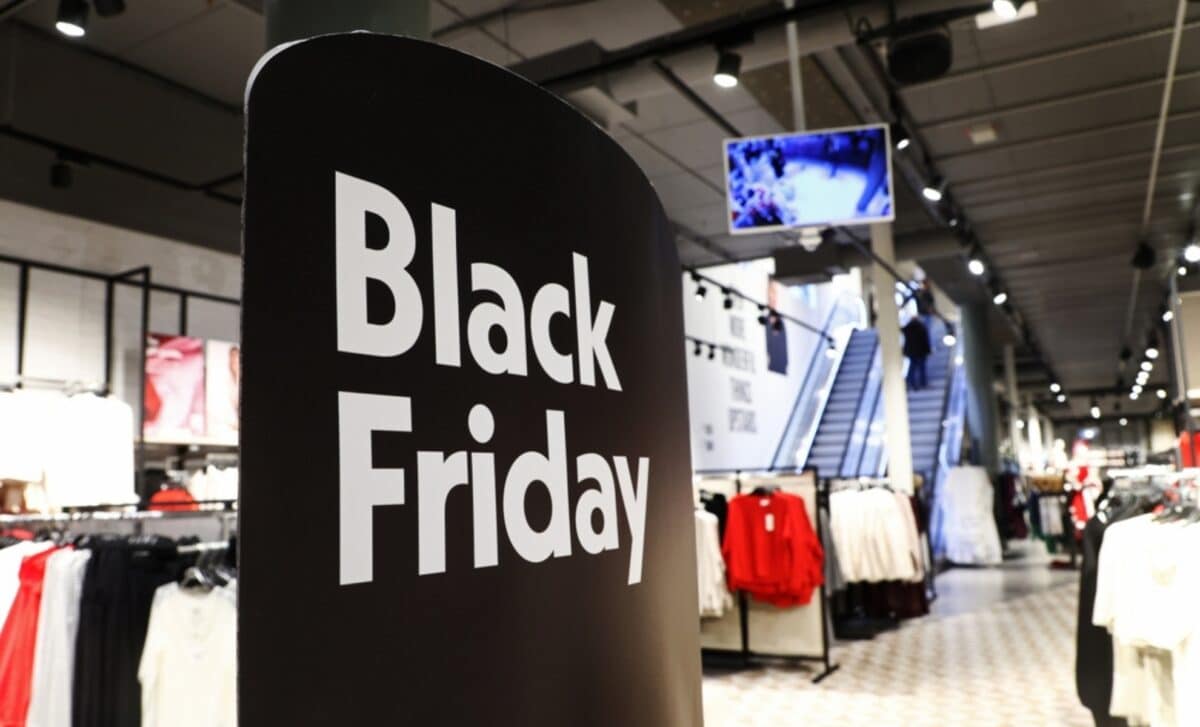
Millions of Australians took part in the Black Friday sales this year, but the results might surprise you. Despite the frenzy of discounts and promotions, Aussies didn’t spend the bulk of their money on traditional retail or Christmas presents. Instead, travel and discretionary services led the charge, as the spending boom surged to $23.8 billion over the Black Friday and Cyber Monday period.
A Shift in Spending Patterns
According to analysis from CommBank iQ, Australians spent 19.5% more than usual in the two weeks surrounding the Black Friday-Cyber Monday sales, marking a noticeable shift in consumer habits. “The strong uplift in travel and discretionary items like dining and entertainment indicates Australians are increasingly using the event as an opportunity to plan and invest in holidays and leisure activities, not just make traditional retail purchases,” said Makenna Ralston, CEO of CommBank iQ.
This change in priorities shows that Black Friday is evolving beyond just a retail sales event—it’s becoming a moment for people to focus on experiences and lifestyle investments. Instead of loading up on pre-Christmas gifts or stocking up on home essentials, Aussies are planning vacations and booking tickets for events. In fact, travel spending surged by 8.4% to $2.2 billion, while discretionary services like dining and entertainment grew by 8% to $3.7 billion. It seems like Aussies are investing in experiences this year—perhaps after years of pandemic-related restrictions.
Black Friday and the Rise of Online Shopping
Another key takeaway from the Black Friday period is the continued dominance of online shopping. Online sales grew by 9.3% compared to last year, totaling $8 billion. On the other hand, in-store sales were up by a smaller 2.3%, amounting to $15.8 billion. Despite the growth in online sales, they still made up only about a third of all transactions during the period. This points to an ongoing shift towards e-commerce, although in-store shopping still holds significant weight for many Australians.
“Customers are becoming more value-driven and experience-oriented,” Ralston said, reports NEWS, noting the importance of online convenience in today’s shopping landscape. Retailers are now looking to understand these nuances in consumer behavior so they can tailor their promotions accordingly, offering the right mix of online and in-store options.
Consistent Growth Amid Economic Factors
Looking beyond Black Friday, Commonwealth Bank’s Belinda Allen pointed out that 2025 has seen steady growth in consumer spending, in contrast to the ups and downs of previous years. The combination of tax cuts, a strong labor market, and three interest rate cuts has helped improve household financial positions. Allen added that while Aussies are still prioritizing experiences over material goods, their ability to spend consistently has been supported by these economic factors.
Despite these positive signs, Allen also noted that the rise in consumer spending could be tempered by future economic shifts, especially as interest rates are predicted to rise when the Reserve Bank of Australia meets in February 2026.
What Does This Mean for Retailers?
As Australians increasingly prioritize experiences over products, retailers will need to adapt. The growth of online shopping shows that convenience and accessibility are becoming key factors for consumers. Retailers must tailor their promotions to meet these changing demands, offering seamless shopping experiences both online and in-store.
For now, it seems that Black Friday will continue to be a time for more than just retail—it’s becoming a significant moment for people to invest in themselves and their lifestyles, whether that’s through travel, entertainment, or even booking a well-deserved holiday. As we move into 2026, it will be interesting to see if this shift in spending continues and how retailers will respond.