
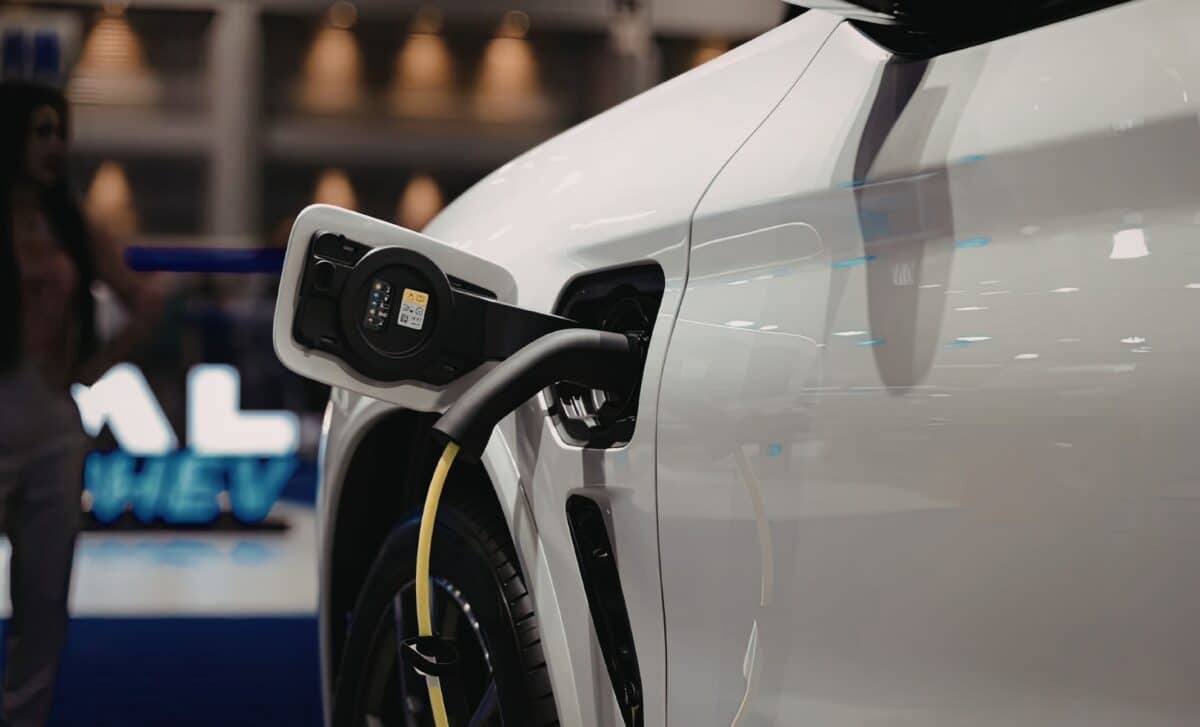
With petrol prices climbing to their highest levels since the Ukraine invasion, Australians are increasingly turning to electric vehicles (EVs) as a more cost-effective alternative. The rise in oil prices due to Middle Eastern supply disruptions has caused a massive spike in EV inquiries—up by 77% in just one week. While fuel prices continue to push household budgets to the limit, the demand for electric cars is soaring, making the shift to EVs seem more appealing than ever.
Why Are Australians Turning to EVs?
The dramatic surge in fuel prices has many Aussies exploring alternative transportation options, and electric vehicles are quickly emerging as the top contender. According to Carsales, there’s been an unprecedented jump in searches for EVs, with interest rising sharply—well above the usual week-to-week growth. Tesla also reported a spike in demand, with customers who had been on the fence about buying an EV now moving forward with their purchases. Why? The answer is simple: the rising cost of fuel makes EVs a more affordable and sustainable choice.
Fuel costs in Australia have surged due to rising global oil prices, especially with disruptions in the Strait of Hormuz, a major shipping lane for crude oil. With petrol prices hovering at US$120 per barrel, Australian drivers are feeling the pinch. Ross Booth, data services director at Carsales, mentioned, “When petrol prices climb, people naturally start exploring alternatives and doing more homework on electric and more fuel-efficient vehicles.”
The Cost of Ownership and the EV Advantage
As fuel costs continue to rise, the total cost of ownership of an electric vehicle becomes increasingly attractive. Pickles, the online auction platform, reports a 30% increase in searches for electric vehicles on its site, reports Courier Mail. In particular, used EVs are seeing strong engagement, as buyers look for a more affordable entry point into the electric car market. Brendon Green, general manager of automotive solutions at Pickles, explained that used EVs are selling for 50 to 60 percent of the price of a new vehicle, offering an affordable alternative to both new EVs and petrol cars.
EVs not only save on fuel but also have lower maintenance costs compared to petrol-powered cars. With no fuel costs and fewer moving parts, maintaining an EV tends to be cheaper. This has made EVs even more appealing to Australians who are already dealing with rising living costs and financial pressures.
Global Trends and What It Means for Australia
The global shift toward electric vehicles is becoming more apparent, with BYD, a Chinese EV manufacturer, overtaking Tesla as the top-selling EV brand worldwide. While Tesla remains a leader in the Australian market, BYD is making significant strides, with their cars gaining popularity among budget-conscious consumers. Australians are no longer just considering EVs for their environmental benefits—they’re also seeing them as a practical solution to the soaring cost of fuel.
In February 2026, EV sales hit a record high in Australia, accounting for 11.8% of all new car sales, a significant jump from previous years. Even plug-in hybrid vehicles saw a rise in sales, up by 20% compared to last year. This shift away from petrol cars is not just about sustainability; it’s about cost savings and security in an unpredictable economy.
Looking Ahead: Will This Trend Last?
The question now is whether the current surge in EV inquiries will lead to long-term change. With petrol prices expected to remain volatile, electric vehicles seem poised to play a larger role in the Australian market. Even if the price of fuel dips in the future, the savings and environmental benefits of EVs may be too appealing to ignore.
Australia is at a crossroads. The rise in fuel prices could well be the tipping point for Australians to embrace electric vehicles more widely, making the transition to cleaner, more affordable transportation not just a trend, but a necessity for the future.