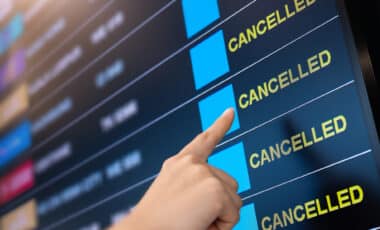

A quiet workplace tension is bubbling to the surface. Employers say something isn’t adding up. Around long weekends, sick leave requests spike — and businesses are feeling the strain. Australian employer groups are calling for changes to public holiday arrangements and closer scrutiny of sick leave patterns, arguing that a growing trend is placing pressure on already stretched operations.
A Pattern Around Long Weekends
The concern centres on employees taking sick days immediately before or after public holidays, effectively extending their time off. When a public holiday lands on a Tuesday or Thursday, some businesses report a noticeable increase in absences on the Monday or Friday.
It’s not an entirely new phenomenon. Many managers in hospitality, retail or construction will quietly admit they’ve seen it before. But employers claim the frequency has become more pronounced, reports Yahoo Finance. For small and medium-sized businesses especially, the timing matters. Staffing gaps can mean reduced trading hours, delayed projects, or owners stepping in to fill shifts themselves.
Why Employers Say It’s Hurting Productivity
Business groups insist they are not questioning legitimate sick leave. Paid personal leave is a protected workplace right. The frustration stems from what they describe as predictable patterns that are difficult to ignore.
Costs are already rising. Wages, insurance, rent, utilities — everything feels heavier than it did a few years ago. When absences cluster around public holidays, it compounds operational stress. Larger corporations may be able to absorb that disruption. Smaller operators often cannot.
Some employer representatives are proposing that mid-week public holidays be shifted permanently to Mondays or Fridays. The idea is that structured long weekends could reduce the incentive to “bridge” the gap with additional leave. Others suggest tighter verification requirements when sick leave is taken adjacent to public holidays.
The Counterargument: Trust and Workplace Culture
Employee advocates, however, caution against overcorrection. They argue that focusing on trends risks unfairly targeting workers who are genuinely unwell. Stricter rules could damage workplace morale and erode trust between staff and management.
There’s also a broader cultural shift to consider. Since the pandemic, conversations about work-life balance, burnout and mental health have become more open. Flexibility is no longer viewed as a perk — for many, it is an expectation.
What Happens Next?
Whether this debate results in policy reform remains unclear. Public holidays are woven into Australia’s social fabric, and sick leave protections are firmly embedded in workplace law.
Still, the discussion reveals deeper tension. Employers are balancing rising costs and productivity pressures. Employees are navigating changing expectations around flexibility and wellbeing. Somewhere between those two realities sits the challenge policymakers must address.
At its core, this isn’t just about long weekends. It’s about fairness, sustainability and trust in the modern workplace — and those issues are rarely solved by simply moving a date on the calendar.