Australia is about to face a significant energy challenge. In less than two years, one of its most vital power stations, Eraring, will close its doors, and the consequences could ripple across New South Wales (NSW) and beyond. The clock is ticking, and the situation is more urgent than it might seem.
The Importance of Eraring Power Station
Eraring, located on the NSW Central Coast, provides about 25% of the state’s electricity. If you think about it, that’s a massive chunk of the power supply for millions of homes, schools, hospitals, and businesses. And it’s not just about NSW – Eraring also helps to supply electricity to Victoria and Queensland. So, when this station shuts down in 2027, things are going to get tricky.
The Australian Energy Market Operator (AEMO) has been ringing alarm bells, warning that the grid could become dangerously unstable without a proper replacement.
Why Does the Closure Matter?
So, what’s the problem exactly? Well, power stations like Eraring are crucial for keeping the grid stable. They provide what’s known as “inertia” – a kind of stabilizing force that helps maintain the frequency and reliability of electricity. This is especially important when it comes to dealing with surges or blackouts, as coal and gas plants can quickly adjust to changes in demand. Without this type of backup, the grid could be more vulnerable to disruptions.
The Renewable Energy Race
The plan to replace Eraring with renewable energy sources like wind and solar is ambitious and necessary. However, it’s not going to be ready in time. The infrastructure that needs to be installed to maintain stability won’t be operational until at least 2028. That gap, between the closure of Eraring and the full rollout of new technology, could result in significant power shortages and outages, especially during peak demand times like summer.
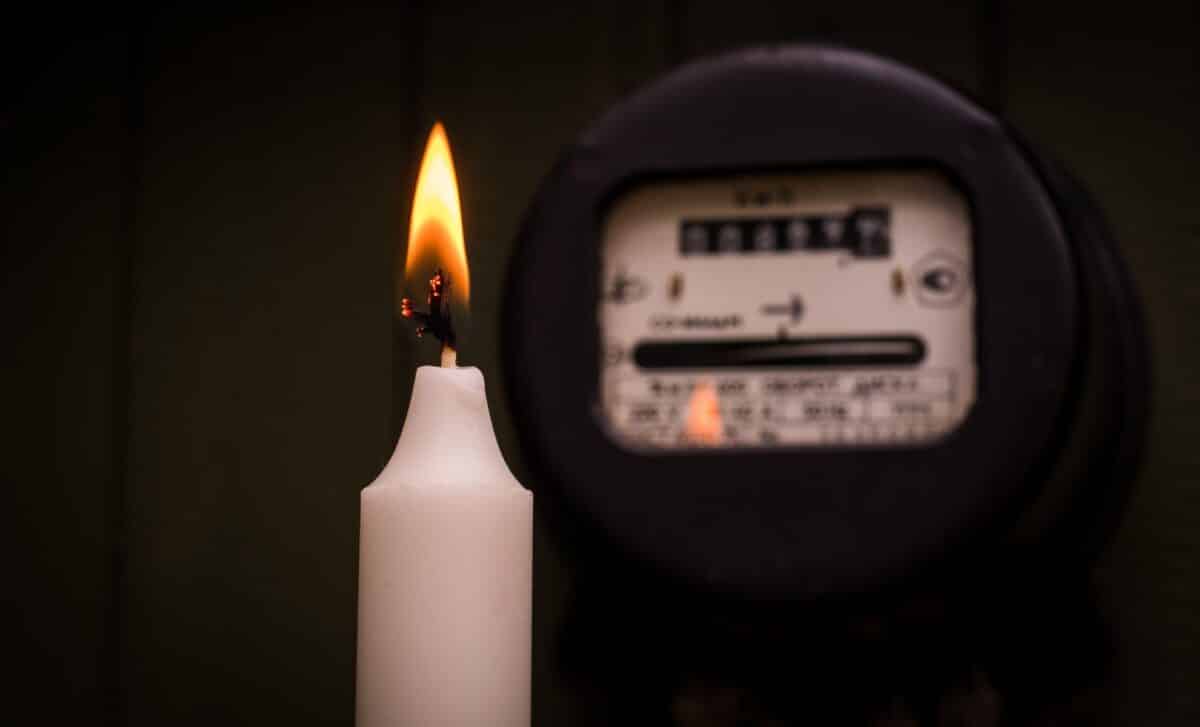
Imagine the strain on the system when everyone’s cranking up their air conditioners to escape a heatwave – and the power’s just not there.
The Cost of the Transition
Now, this isn’t just about blackouts, either. The AEMO has warned that there’s a real risk of higher costs for consumers, especially if emergency measures are needed to keep the lights on. These interventions could involve contracts and potentially costly measures to secure power, all of which will likely get passed down to the public.
In the end, it’s clear that the road ahead is going to be tricky for Australia’s energy market. The closure of Eraring is not just the end of an era for coal-powered electricity; it’s the beginning of a new, potentially unstable phase in Australia’s transition to renewable energy. But without careful planning and timely infrastructure upgrades, we could be in for a rough ride ahead. We’ll all be watching closely to see if the country can pull it off before the lights start to flicker.