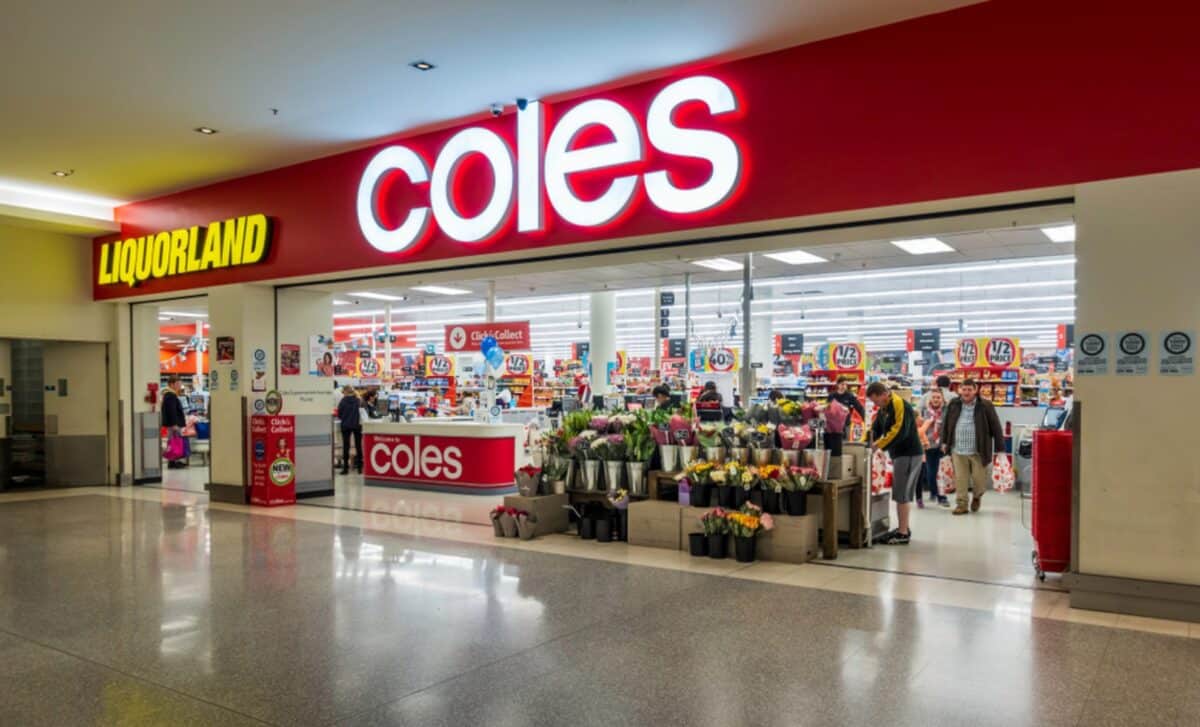
We’ve all been there: walking through the supermarket, spotting a “huge discount” sign and thinking, “What a deal!” But what if those discounts are more illusion than reality? That’s exactly what the Australian Competition and Consumer Commission (ACCC) is accusing Coles of in a high-stakes court battle that’s turning heads across the country.
The “Illusion” of a Bargain
In essence, Coles is being accused of pulling off what might seem like a sneaky pricing trick. The supermarket chain allegedly inflated the prices of everyday products before slapping on a “discount” label—making customers believe they were getting a bargain, when in reality, they were paying the same or even more than before. The ACCC calls this strategy “illusory discounts”—a bit of a fancy term, but essentially, it’s all about price manipulation.

A Case in Point: Nature’s Gift Dog Food
To give you an example, take Coles’ Nature’s Gift dog food. For nearly 10 months, this wet dog food was priced at $4. Then, out of nowhere, the price jumped up by a whopping 50%, landing at $6. After a week of this inflated price, Coles dropped it to $4.50 and claimed customers were getting a “Down Down” deal, reports The Guardian. Sounds like a typical promotion, right? But here’s the kicker: that $4.50 price wasn’t much of a “deal” because it was still higher than the original price of $4. The ACCC argues that while the “discount” was technically real, it was misleading—and that’s the heart of their case.
Why Coles Did It
Now, you might wonder, why would Coles do this? Well, it turns out that supermarkets have a lot of power when it comes to setting prices, and those price changes, however small, can lead to big profit boosts. In fact, the ACCC argues that by making customers feel like they’re getting a bargain, Coles could boost sales without actually lowering prices. It’s clever, if you think about it—but it’s also potentially misleading.
Of course, Coles is defending itself. The company claims that the price changes were just a response to rising costs from suppliers. But whether that justifies the tactic is up to the court to decide.
The Bigger Picture
This case isn’t just about one supermarket. The outcome could affect pricing practices across the entire grocery industry in Australia, particularly since Woolworths is facing similar allegations. It could set a new standard for how retailers advertise discounts—and if it rules in favor of the ACCC, we might see a wave of change that could make us all more aware of those “deals” next time we grab something off the shelf.
So, next time you see a sale sign, maybe think twice. Is it really a discount, or just a clever trick of the pricing trade?