Australia’s job market is still in a bit of a jam. You’ve probably noticed it—businesses are desperate for workers, but it’s not really helping with inflation. The economy’s tight labour market is causing a ripple effect that could mean more interest rate pain for Australians in the coming months. Here’s why the situation might feel like it’s about to get a little tougher.
What’s Going On with the Job Market?
New data from the Australian Bureau of Statistics shows that job vacancies have surged to an eye-watering 337,900 as of February 2026, the highest number since late 2024. That’s a lot of open positions, right? But it’s not just the sheer number that’s concerning—what’s worrying economists is that these vacancies are showing up across almost every sector. In fact, 12 out of 18 sectors reported a need for more workers in the last quarter.
Construction is the biggest culprit, with vacancies up 19.3% compared to last year. Other industries, like retail, hospitality, and food services, aren’t far behind. While that sounds great for job seekers, there’s a bit of a catch: only two unemployed people per job vacancy, which is a slight improvement over last year’s 1.9, but still a far cry from the pre-pandemic norm, when there were three job vacancies for every unemployed person.
So, What’s the Big Deal?
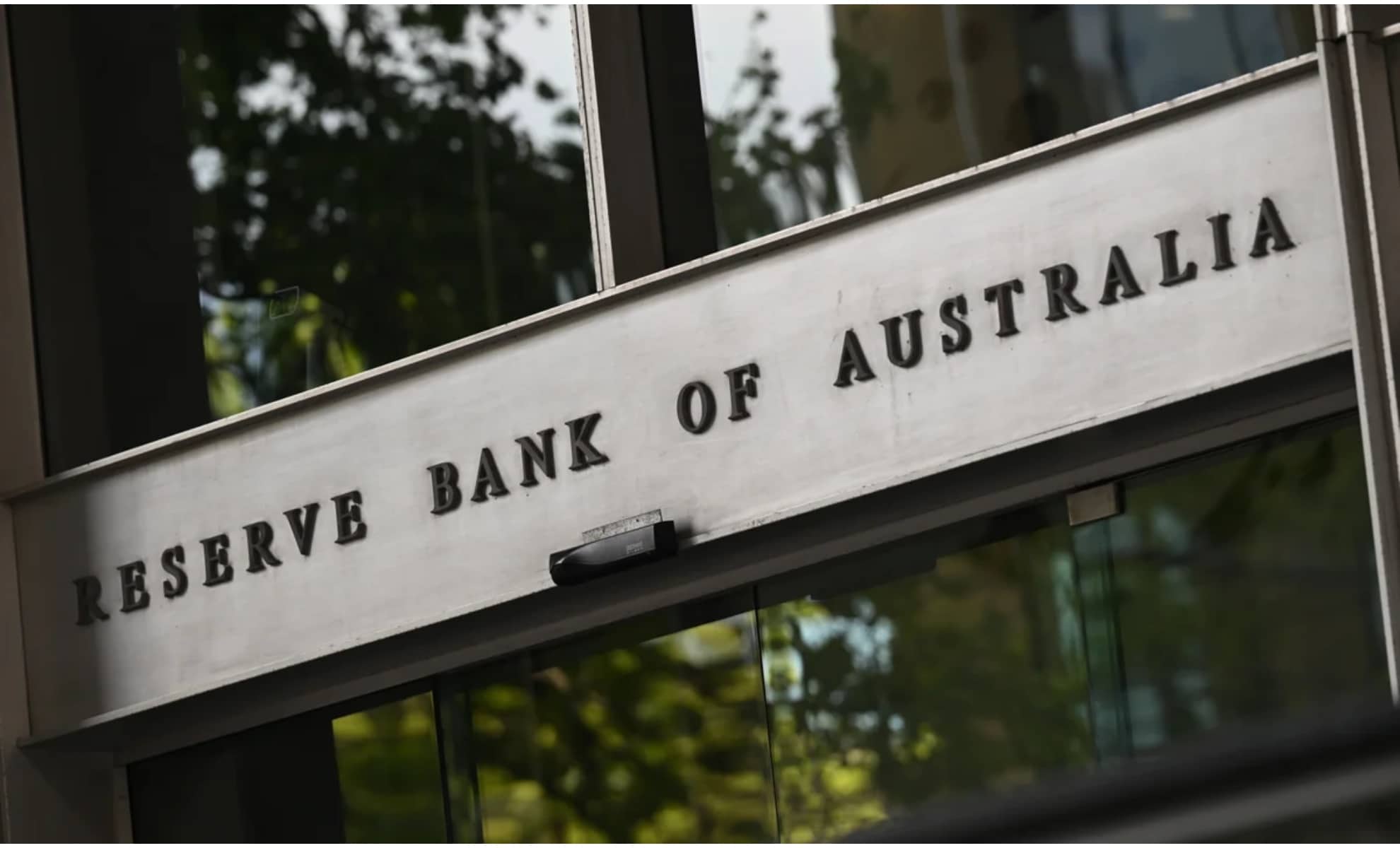
It’s great for job seekers, sure, but it’s not exactly music to the ears of the Reserve Bank of Australia (RBA). With so many jobs needing to be filled and wages possibly rising to attract workers, inflation could stick around longer than expected. And that’s where things get tricky. Economists are warning that this tight labor market will likely lead to further interest rate hikes. In fact, the RBA is expected to raise the cash rate again in May, as inflation still sits stubbornly above target.
The problem here is simple—higher interest rates are meant to slow down inflation by making borrowing more expensive, but they can also put pressure on consumers and businesses alike. The cost of living keeps rising, and while Australians are finding jobs, many are still feeling the pinch.
The Bigger Picture
Here’s the kicker: even though interest rate hikes are usually aimed at tackling domestic issues, the current global situation, including geopolitical tensions, is adding extra weight to the inflation problem. Higher energy prices, disruptions in the global supply chain, and rising costs in other sectors are all factors that the RBA has to consider, which makes it harder to know how effective rate hikes will really be in the long run.
So, what does all this mean for you? Well, it’s probably safe to expect more rate hikes over the next few months, which means higher mortgage repayments, tougher borrowing conditions, and potentially less disposable income. But on the flip side, if you’re looking for work, the current market is definitely in your favor. The key here is balance—employers need workers, but inflation needs to be brought under control. It’s a tightrope the government and the RBA are walking, and it doesn’t look like they’ll be stepping off it anytime soon.