
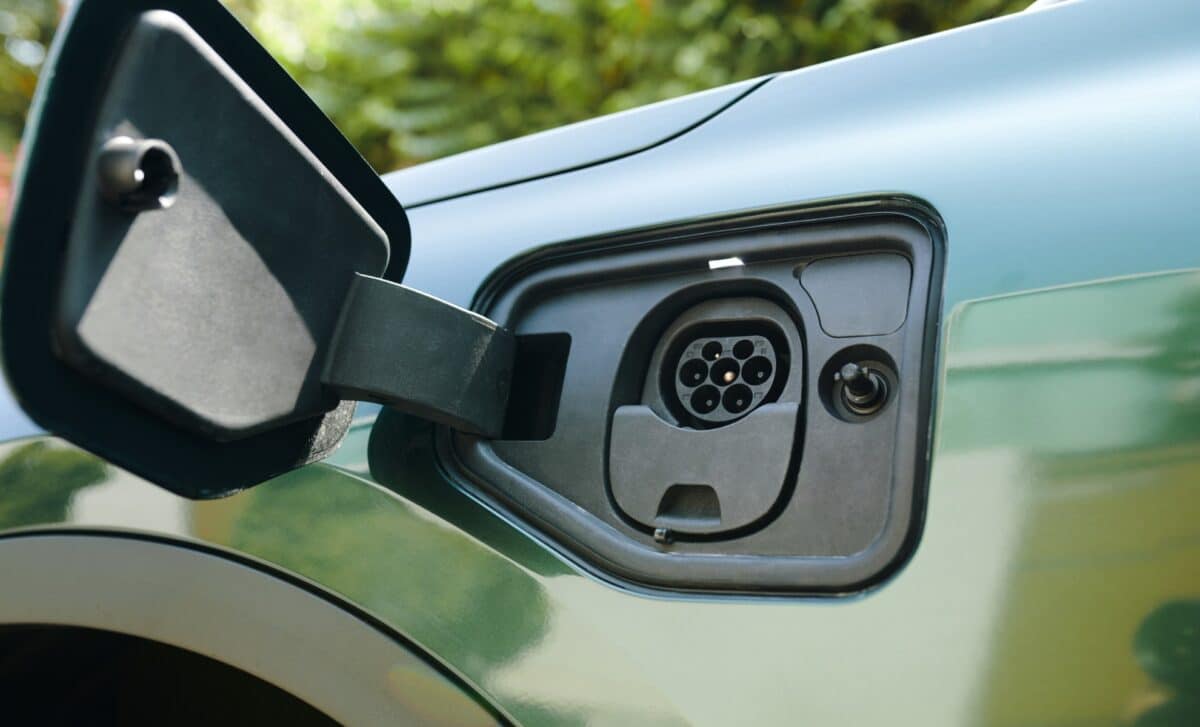
Electric vehicles (EVs) are gaining traction in Australia, but policy support may be shifting. As the federal budget approaches, proposed tax changes are raising concerns across the industry and among drivers considering the switch.
EV Tax Changes in Australia Target Incentives and Benefits
The federal government is considering revisions to existing tax settings that have supported EV adoption. Among them is the fringe benefits tax (FBT) exemption linked to novated leases, currently allowing employees to pay for EVs from pre-tax income. Treasury estimates suggest the scheme could cost up to $2.8 billion by 2028–29, prompting discussions about limiting the exemption or restricting it to lower-priced vehicles. The earlier removal of FBT exemptions for plug-in hybrids in April 2025 already signaled a shift in direction.
There is also a review underway regarding the zero tariff on imported EVs, which has helped reduce upfront costs for buyers.
BYD and Industry Players Warn of Slowing Momentum
Industry stakeholders, including BYD’s retail partner EVDealer Group, have expressed concern over the potential rollback of incentives. CEO David Smitherman argues to Yahoo Finance that these policies have played a direct part in accelerating EV uptake, particularly through fleet purchases. In 2025, nearly one in four sales for the group came from novated leases, highlighting how central the tax benefit has become to purchasing decisions.
There is also a competitive angle. If incentives are restricted to more affordable vehicles, brands like BYD, with models starting around $24,000, could be less affected than higher-end competitors. Still, uncertainty around policy direction may weigh on buyer confidence.
New EV Road Tax in Australia Under Consideration
Alongside incentive changes, the government is exploring a road user charge for EV drivers. The rationale is tied to declining fuel excise revenues, as electric vehicles do not contribute to fuel taxes that fund road infrastructure. Several implementation options are being discussed, including: GPS-based tracking systems, Toll-style transponders, Annual odometer checks at registration.
Each approach raises. practical and, in some cases, privacy considerations. The timing of such a tax remains unclear, but momentum appears to be building.
Rising EV Demand Meets Policy Uncertainty
Interest in electric vehicles continues to grow, driven in part by high fuel prices, with search activity reportedly up 110%. This trend strengthens the government’s incentive to rethink how road funding is structured. Treasurer Jim Chalmers has indicated that a wide range of tax measures is being examined ahead of the May budget, describing the process as “full tilt”.
For consumers and the industry alike, the coming months may prove decisive. Support mechanisms that helped kickstart EV adoption are now under review, at a moment when the transition is still gaining pace.