

Telstra is set to increase prices across several of its services from May, a move that comes shortly after the company reported strong profits and higher shareholder returns. For many Australians already dealing with rising living costs, the decision is likely to sharpen concerns about affordability and the growing cost of essential services.
Telstra Announces a New Round of Price Increases
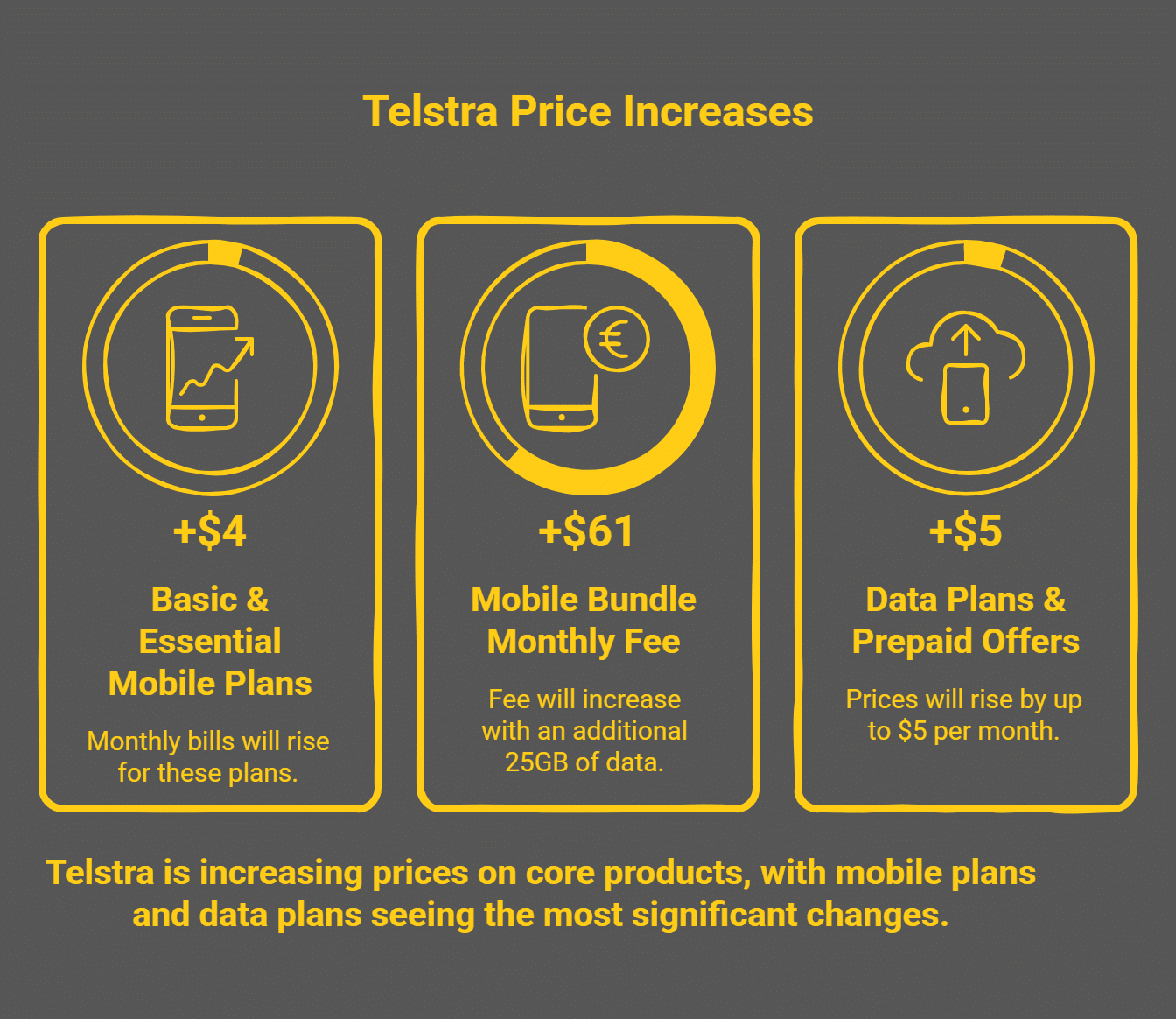
From May 5, Telstra will lift prices across several of its core products, including mobile plans, broadband and prepaid services. Customers on basic and essential mobile plans will see their monthly bills rise by $4, while premium plans remain unchanged. Mobile bundle users are also affected. Their monthly fee will increase to $61, with an additional 25GB of data included. Meanwhile, data plans and prepaid offers will rise by up to $5 per month.
Individually, these changes may appear limited. But taken together—and repeated over time—they contribute to a steady increase in household expenses.
A Justification Focused on Network Investment
Telstra explains the decision as part of a broader effort to strengthen its network. According to Brad Whitcomb, head of the consumer division, the price adjustments will support investment in performance, reliability and security, reports Yahoo Finance. The company highlights its position as Australia’s largest mobile network, covering more territory than its competitors. Maintaining and expanding that infrastructure requires ongoing funding, especially as demand for data continues to grow.
Telstra also points to new options aimed at customers seeking lower-cost plans. Still, the timing of the announcement raises questions, given the group’s recent financial results.
Rising Bills After a $1.2 Billion Profit
The increase comes shortly after Telstra reported a $1.2 billion profit, alongside improved returns for shareholders. This contrast has drawn criticism from consumer advocates. The Australian Communications Consumer Action Network (ACCAN) describes the move as a “slap in the face” for users. Over the past year, customers have already faced price increases of around 14%.
For many households, telecom services are no longer optional. They are part of everyday life—work, education, social connections—making price rises harder to absorb or avoid.
Cost of Living Pressures Intensify the Debate
The broader context adds to the tension. With living costs rising across multiple categories, even small increases can have a noticeable effect. Telecom bills, once relatively stable, are now joining the list of recurring expenses trending upward. Consumer groups are encouraging users to compare offers and consider alternative providers. The argument is simple: higher prices should reflect clear value, something customers increasingly question.
There is also a policy dimension. Telstra has warned that future increases in spectrum licence fees, proposed by the federal government, could push costs even higher in the coming years.
A Growing Gap Between Prices and Perceived Value
This latest adjustment highlights a widening gap between what customers pay and what they feel they receive. While network quality remains a selling point, expectations have evolved. Price sensitivity is higher, and tolerance for repeated increases is lower. For now, Telstra maintains that investment justifies the change. Yet for many Australians, the immediate reality is more straightforward: another bill is going up, at a time when few are going down.