It’s a tough time for many mortgage holders in Australia as the Reserve Bank of Australia (RBA) has raised interest rates for the second month in a row. With the cash rate now at 4.10%, this is not just a small bump in the road for homeowners—it’s a substantial hit that could cost thousands of dollars a year. As interest rates rise, the cost of living climbs, and many Australians are feeling the squeeze. But what exactly does this mean for everyday Australians, and why is it happening?
RBA’s Strategy: Interest Rates Rise to Tackle Inflation Despite the Pain
For homeowners with a mortgage, the recent hike means higher repayments. The average borrower will face an increase of around $2,800 annually—money that many people simply don’t have lying around. With the Australian housing market already expensive, these higher repayments could make it even harder for first-time buyers and those with variable-rate loans.
The decision was not without controversy. In fact, it was a split vote within the RBA board, with five members voting in favor of the increase, while four members were against it. That’s a bit unusual, as RBA decisions are typically unanimous. But even with some disagreement, all nine members agreed that inflation was still too high and needed to be tackled, even if it meant a tougher time for borrowers.
Why Is This Happening?
The main reason for the hike is inflation. Despite the RBA’s previous rate increases, inflation remains stubbornly high, with figures coming in above the RBA’s target range of 2-3%. A large part of the inflation problem is global—particularly driven by the ongoing situation in the Middle East. The war has led to soaring oil prices, adding to the cost of everything from groceries to gas. When fuel prices rise, it doesn’t just affect the cost of filling up your car; it impacts the entire supply chain, making things more expensive across the board.
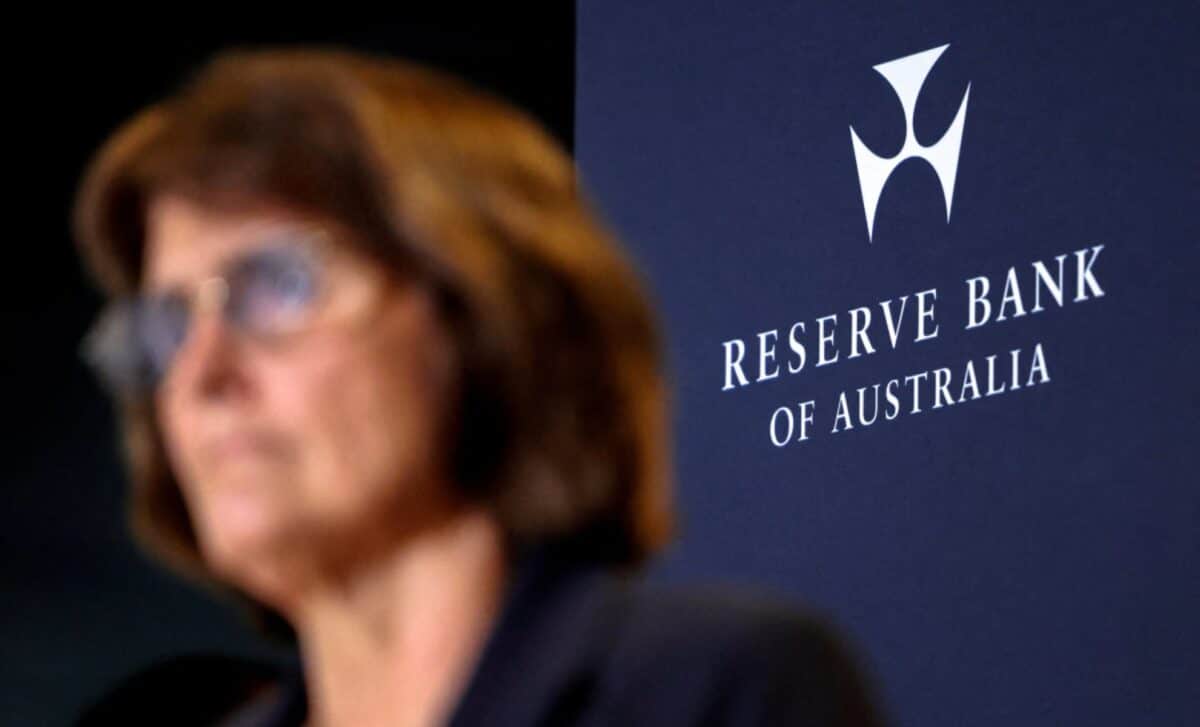
RBA governor Michele Bullock mentioned that high inflation “hurts absolutely everyone,” and that it’s especially tough for those on fixed incomes or people without mortgages. There’s also the concern that if inflation is left unchecked, Australia could face a recession, a prospect the RBA wants to avoid at all costs.
What Does This Mean for the Future?
The reality is, the pain isn’t over yet. While the RBA has made it clear that inflation must be brought under control, this doesn’t guarantee an immediate reprieve for mortgage holders. With the global situation in flux and inflation expected to remain above the target for a while, there are concerns that further rate hikes could follow.
For homeowners, the key takeaway here is to prepare for more financial strain in the coming months. Budgeting might become tighter, and the dream of owning property might feel even more distant for some. But it’s not all bad news. While rate hikes are a blow to the economy, they’re necessary to prevent inflation from spiraling out of control.
The Bigger Picture
While this increase stings for mortgage holders, the ultimate goal is to stabilize the economy. The RBA’s job isn’t easy, and balancing inflation and growth is no small feat. So, while many Australians are feeling the pinch right now, the hope is that these measures will prevent the situation from getting worse in the long run.
In the end, it’s a tricky balancing act for the RBA. As inflation remains stubbornly high and global pressures like the war in the Middle East continue to affect the economy, there’s no quick fix. Australians will likely need to brace themselves for more changes to come—whether in the form of higher interest rates or ongoing cost of living pressures. But with careful management, the hope is that the country can avoid a full-blown recession and return to stability.