
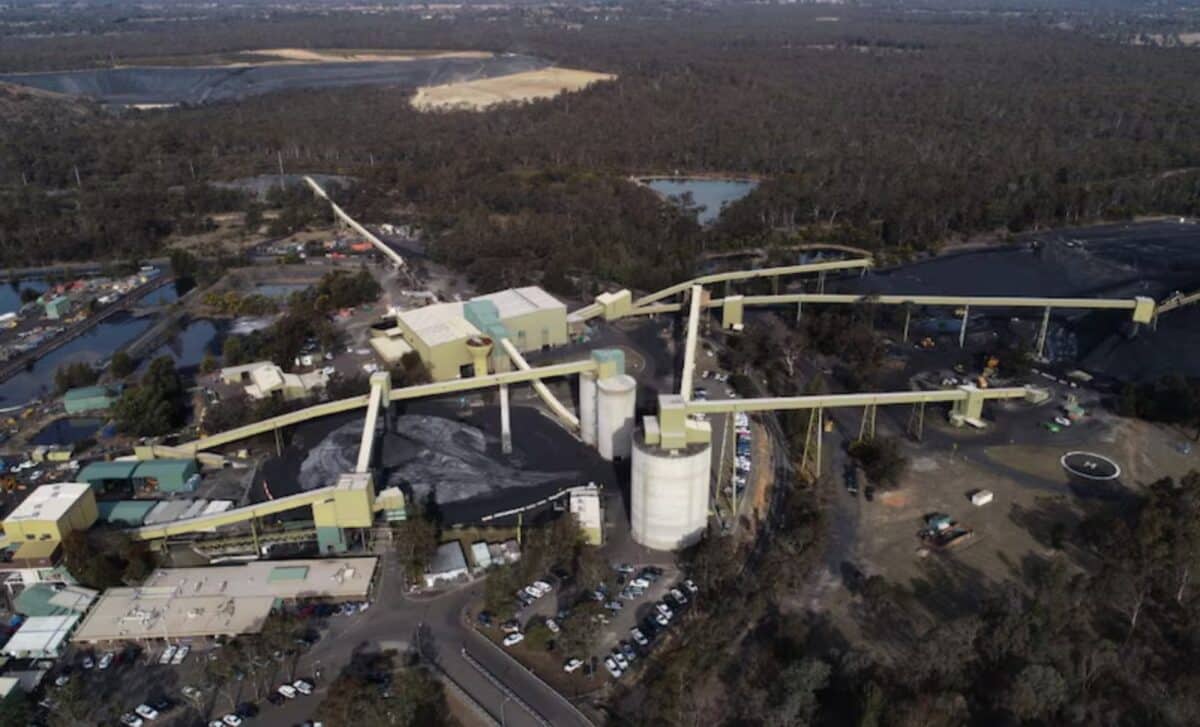
In a significant blow to the local workforce, the Tahmoor Coal Mine, owned by billionaire Sanjeev Gupta, has been ordered into liquidation by the New South Wales Supreme Court. The court’s decision, made on March 6, 2026, follows more than a year of delays and voluntary administration. This move raises questions not only about the future of the mine but also about the wider impact on employees, the community, and the financial health of Gupta’s broader business empire.
The Financial Struggles Behind the Closure
The mine has been non-operational for over a year, with 500 workers left in limbo as they were stood down without pay. The saga began in August 2025 when Coal Mines Insurance (CMI) filed an application for liquidation, seeking approximately $4.5 million in unpaid premiums. In response, Gupta’s company, GFG Alliance, placed the mine’s holding company, Liberty Primary Metals Australia (LPMA), into voluntary administration. However, even with efforts to secure funding and rescue operations, the situation worsened, and CMI pushed for liquidation.
Despite efforts by the newly appointed administrator, Joseph Hayes, to seek further time to secure funding from another Gupta-owned entity, the court ruled that it was time to wind up the mine. The impact on the workforce was clear—238 jobs would be lost immediately, with only 50 staff members retained for basic care and maintenance. Justice Ashley Black acknowledged the human toll of the decision, expressing concern for the workers, their families, and the community dependent on the mine, reports ABC News.
Debt and the Role of Related-Party Loans
What makes this case even more complex is the high level of related-party debt in Gupta’s empire. Of the mine’s total claims of $432 million, around $250 million is related to loans within Gupta’s network of companies. This has raised concerns about the transparency and solvency of Gupta’s broader business operations. The liquidation will now give the liquidators the power to investigate these financial arrangements, which could reveal much about the mine’s financial collapse.
At the court hearing, Christopher Withers SC, representing CMI, emphasized the need for a liquidation process to gain access to these crucial financial records. The situation paints a picture of a complex web of business dealings that ultimately contributed to the mine’s downfall, with debt investigations likely to reveal more about the mismanagement of funds.
The Broader Impact on Workers and the Local Community
The Mining and Energy Union (MEU) expressed disappointment over the ruling, emphasizing the severe impact on workers. The union has called for an urgent meeting with administrators to discuss the next steps for the workers affected. The community around Tahmoor, in south-west Sydney, is also bracing for the economic consequences of losing such a significant local employer. With hundreds of families facing uncertainty, the closure has the potential to ripple out far beyond the mine itself.
The New South Wales government has reminded the parties involved that it holds a charge over the Tahmoor mining lease to recover $30 million in unpaid royalties, further complicating the situation. This, along with the liquidation, means that the road ahead for employees and creditors is anything but clear.
What’s Next for the Tahmoor Mine and its Employees?
The appointed liquidators, Shaun Fraser and Jonathan Henry, will now take over the management of the mine and begin the process of untangling its financial and operational woes. While GFG Alliance had hoped to sell the mine through the voluntary administration process, the court’s decision to wind up operations may force a different outcome, and employees are left in uncertainty.
With the possibility of further investigations into Gupta’s other businesses, including GFG Alliance and other mining operations, the future of this vast business empire remains uncertain.