
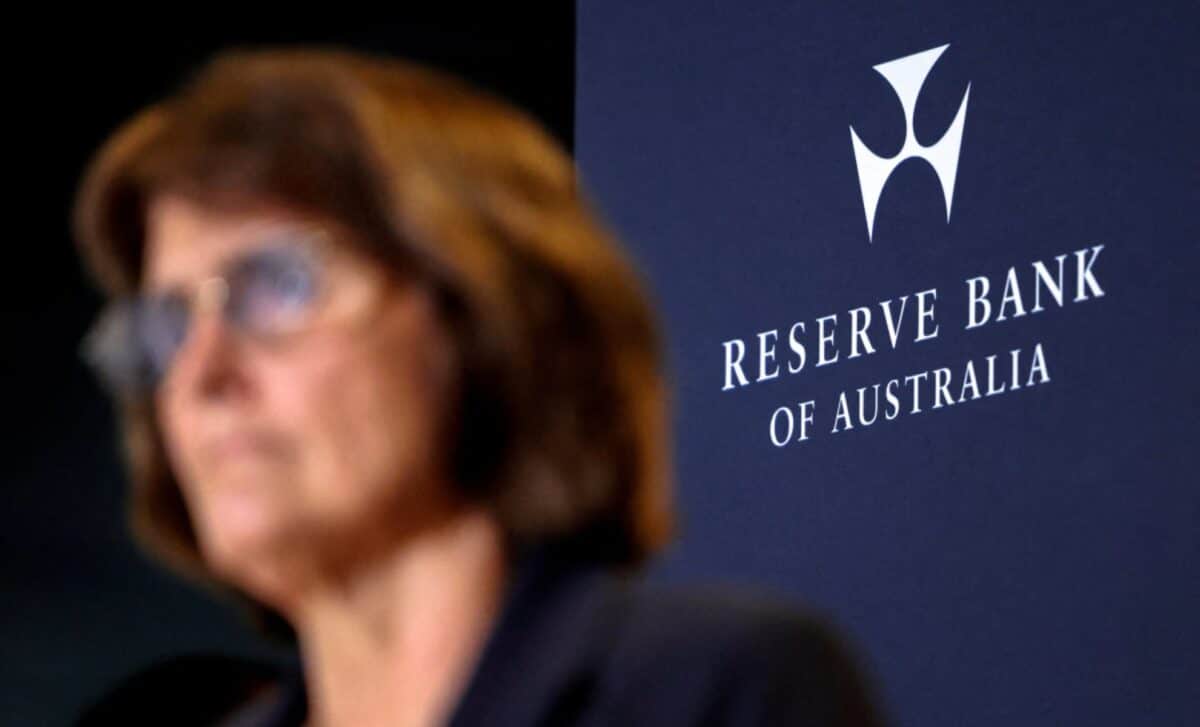
The Reserve Bank of Australia (RBA) is facing a tough balancing act as it navigates economic recovery while dealing with inflationary pressures. Governor Michele Bullock recently discussed the current economic situation and the challenges involved in making monetary policy decisions. While inflation is still a concern, Bullock doesn’t believe it’s spiraling out of control again. However, the path forward remains unclear as the economy begins to recover.
A Tight Labor Market, Elevated Inflation
Bullock highlighted that the labor market is “a little bit tight” while inflation is still “a bit elevated.” In January, Australia’s unemployment rate sat at a relatively low 4.1%, signaling a resilient job market. However, inflation in January came in slightly hotter than expected, ticking up from 3.3% to 3.4%. This has made decisions on interest rates harder. “We’re sort of in this position … it’s actually quite a good position, where the economy is sort of recovering, and this is where it’s difficult,” Bullock said. “It’s not like we’ve got a situation where it’s very clear what we have to do,” reports ABC News.
The RBA’s current official cash rate stands at 3.85%, following a recent hike in early February. Many economists expect the RBA to raise rates again this year, with ANZ predicting a 0.25 percentage point hike as soon as May. But Bullock remains cautious, urging patience. The economic recovery, while promising, still presents uncertainties that need careful attention.
Data-Driven, Not Reactionary
Bullock also emphasized the RBA’s approach to decision-making, which is data-driven but not reactionary. The central bank looks at current and past data to guide its decisions, but ultimately, it uses that information to anticipate future trends. “When we say we’re data-driven, it’s not to say we’re reacting to individual bits of data that happened in the past,” she explained. Instead, the RBA strives to predict future economic conditions based on the data it has.
A Shifting Economic Landscape
The RBA governor shared insights into how quickly things changed in the past year. Earlier in 2025, things were looking soft in the economy. Inflation was coming down, and the labor market was showing signs of weakness. But by September, everything turned around. “Credit was recovering strongly, housing prices were rising, and demand was recovering more than expected,” she said. “Inflation started to pick up, the world economy was looking now actually better than it had been.”
These shifts have led the RBA to adjust its stance. Bullock acknowledged that such sudden changes in the economy can make it difficult to stay ahead of the curve.
Communicating Economic Policy Clearly
Beyond monetary policy, Bullock touched on the importance of clear communication with the public. She noted that many people struggle to understand economic concepts, especially when it comes to inflation. “We need to find ways of explaining things to them,” she said. Bullock also pointed out the need for more diversity in economics, encouraging young women and people from diverse backgrounds to enter the field. “We need that diversity,” she added, reinforcing her commitment to promoting inclusivity in economic discourse.
In the end, Bullock’s message was clear: while the RBA must be patient and cautious in its decisions, clear communication and a focus on long-term trends will guide the bank through these uncertain times.