Get ready for a sweltering autumn in Australia. With long-range forecasts predicting above-average temperatures and below-average rainfall from March to May, most of the country is in for a warm and dry season. The Bureau of Meteorology (BOM) has also raised concerns about the potential for an El Niño to develop later in the year, adding to the heat. So, what does this mean for Aussies across the country, and how can we prepare for the challenges ahead?
Autumn Temperatures: A Hotter-Than-Expected Season
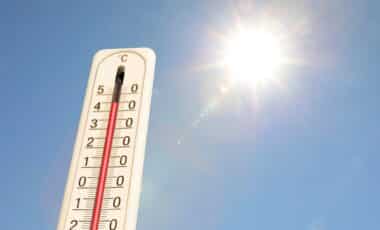
According to BOM’s predictions, autumn 2026 will be anything but ordinary. With temperatures expected to soar well above average, residents in NSW, ACT, Victoria, South Australia, Tasmania, and WA should brace for some seriously hot days. Even overnight, the temperatures aren’t expected to dip much, which could make for some uncomfortable nights. While Queensland and the Northern Territory may not be as impacted by the extreme heat, there’s still a 50% chance they’ll experience above-average temperatures too.
For farmers, gardeners, and anyone spending time outdoors, the forecast is a stark reminder that we’re not out of the summer heat just yet. The ongoing warm conditions will put added pressure on water resources, crops, and energy usage across the country.
The Rainfall Deficit: What Does It Mean for Drought-Prone Regions?
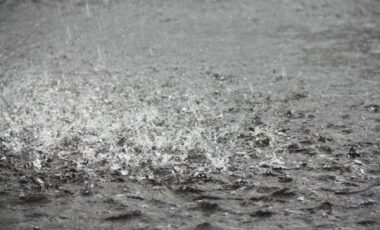
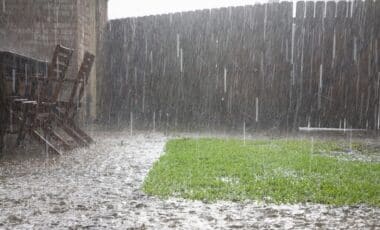
While the southern regions of Australia are already grappling with drought, the forecasted dry spell could push some areas into even more severe water shortages. The BOM has predicted below-average rainfall for NSW, Victoria, South Australia, and much of WA. Northern Tasmania, in particular, is expected to see unusually low rainfall, further exacerbating the challenges faced by farmers in those areas. It’s a tough situation for producers already struggling with low water reserves.
What’s even more concerning is the likelihood of increased bushfire risks. Dry conditions, coupled with high temperatures, could make large parts of Australia more vulnerable to wildfires. While the BOM isn’t predicting a complete lack of rainfall across the entire country, the southern regions are especially at risk, and residents need to be prepared for potential bushfire threats.
Northern Australia’s Mixed Forecast
Interestingly, northern Australia could be in for a slightly different autumn. Some parts, including the Cape York Peninsula, the Top End, and northern Kimberley, are expected to receive above-average rainfall during March. However, the overall trend is that northern Australia will see more average conditions, with rainfall expectations remaining up in the air for much of the region. It’s a bit of a waiting game to see whether the north gets the relief it needs, or whether the dry conditions continue to dominate.
A Season of Uncertainty
With temperatures set to rise and rain in short supply, autumn 2026 is shaping up to be a season of uncertainty. The potential for an El Niño later in the year could only make things worse, pushing temperatures even higher. For Australians, it’s important to stay updated on weather forecasts, monitor bushfire warnings, and conserve water where possible. While the cooler months are traditionally seen as a break from the blistering heat, this year’s autumn will be anything but.
So, what can we do to prepare? Keeping cool, staying hydrated, and being mindful of water conservation will be essential. And, as always, staying alert to any emergency warnings, especially in bushfire-prone areas, should be top of mind. It looks like this autumn will be a test of patience for many Australians, but with the right precautions, we can get through it.