
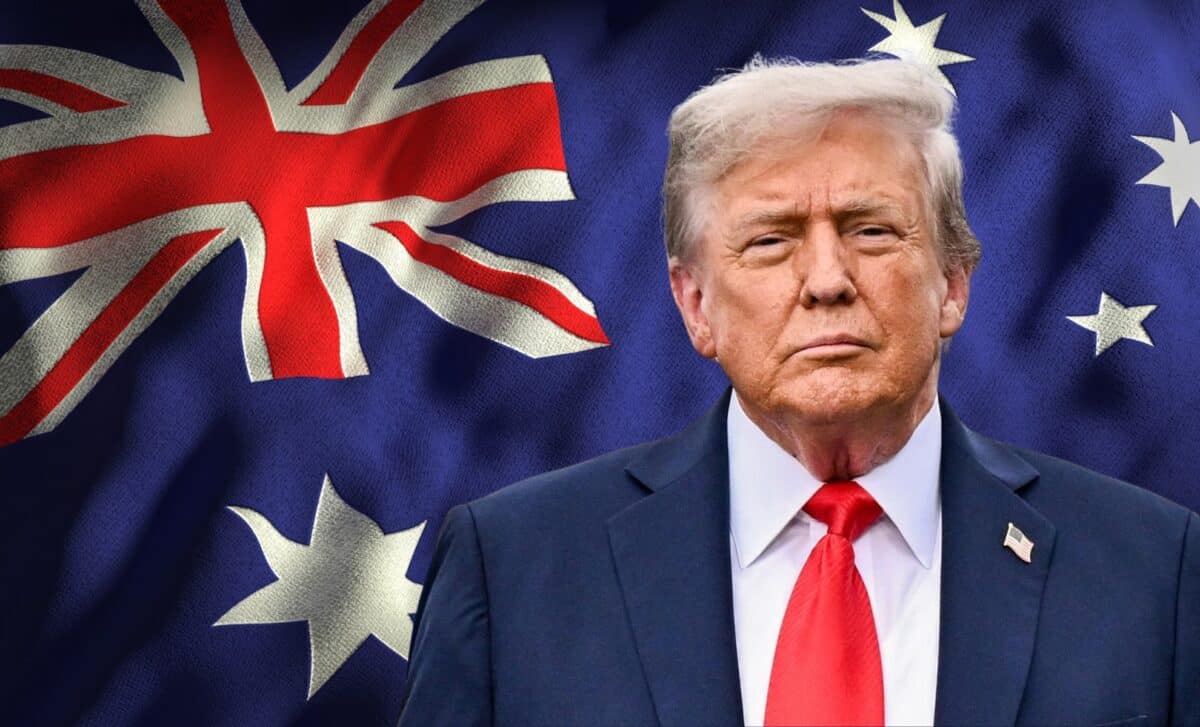
Farmers and producers in Australia are feeling the pressure after US President Donald Trump announced a hike in global tariffs. This unexpected move has sent shockwaves through the agricultural sector, raising concerns about the impact on trade, pricing, and long-term stability. The tariff increase, now set at 15%, could bring about significant challenges for producers who are already navigating a tough market.
The Tariff Impact: What It Means for Australian Farmers
Trump’s decision to raise tariffs from 10% to 15% comes after the US Supreme Court struck down many of his previous import taxes. While this change is primarily aimed at international markets, it’s causing a ripple effect in Australia, especially for farmers who rely on export markets. For some, this means tighter margins and less predictable pricing when selling their products abroad.
Bianca Tarrant, a NSW farmer and butcher, explained that although her business wasn’t immediately impacted, the broader effects on livestock buying and selling within Australia were noticeable. As she put it, “It’s all about the long game.” For Australian producers, it’s not just about daily sales—it’s about strategic planning over months or even years. A sudden shift in tariffs creates instability in the market, making it harder for farmers to plan ahead.
The Uncertainty of International Trade
The timing couldn’t be worse. Australian farmers have already faced difficulties in recent years, from droughts to supermarket price gouging. These new tariffs add an extra layer of uncertainty, which could make it even harder for farmers to navigate the unpredictable waters of international trade.
“As a farmer, you’re in it for the long game, it’s not a five minute job to produce food, whether you’re producing beef, pork, lamb or growing vegetables,” Tarrant continued. “It brings a lot of uncertainty to what we do every day,” reports 9News. What’s frustrating for many farmers is that, unlike other industries, they don’t have the luxury of setting their own prices. They’re at the mercy of global markets and international policy changes that they have little control over.
A Long-Term Struggle: Will the Farm Gate Pricing Be Affected?
Farm gate pricing—the price farmers receive for their goods—could also take a hit as a result of these changes. In the past, Australian farmers have struggled to get fair prices for their produce, and now, this added uncertainty could further strain an already tight market. As Tarrant pointed out, the margins are already incredibly thin for farmers, and the impact of global tariffs could be the tipping point.
The situation also raises concerns about the future of Australian farming. If international markets become too unpredictable, it may drive more local farmers out of business. Farmers are already under pressure from the ongoing challenges posed by price competition, market instability, and natural disasters.
Looking Forward: The Need for Support
As the global trade landscape continues to shift, Australian producers are left to face the music. While the new tariffs may not immediately devastate the industry, the longer-term impact could be severe. The government and trade regulators will need to step up to provide support for the agricultural sector, ensuring that Australian farmers can continue to survive and thrive in an increasingly complex global market. Until then, producers are left to adapt and endure, hoping that these pressures won’t push them over the edge.