Australians are being warned to watch out for a rising wave of scam text messages targeting Medicare cardholders. These messages are increasingly realistic and convincing, tricking unsuspecting people into sharing their personal information. If you’ve received one of these texts, you’re not alone, but you do need to be cautious. Let’s break down what these scams look like and how to avoid falling victim.
A New Scam Alert: What’s Happening?
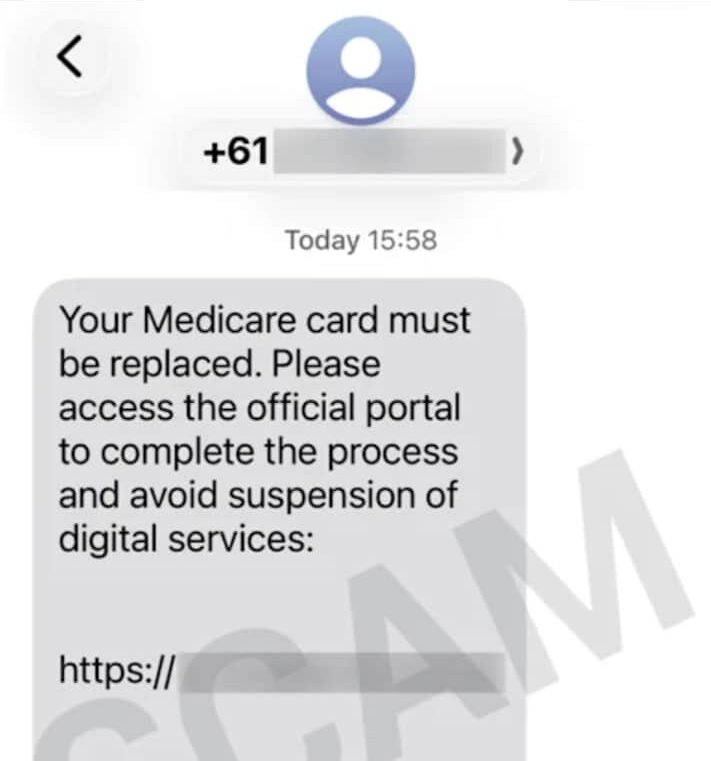
Scammers are getting smarter—and that’s the concern. They’re now sending text messages that appear to be from Services Australia, claiming your Medicare card needs replacing or has been temporarily suspended. The message urges you to click a link to a portal where you’ll supposedly pay for the postage on a new card. Sounds official, right? But here’s the kicker—Services Australia has issued a strong warning that these messages are fake and designed to steal your sensitive personal information.
The scammers don’t stop at text messages either. Often, these fake notices lead to websites that ask for your bank account details, passwords, and even your credit card numbers. If you respond, you could end up with more than just a stolen Medicare card—you could lose access to your finances and potentially find your identity at risk, explains Yahoo Finance.
The Real Deal with Medicare
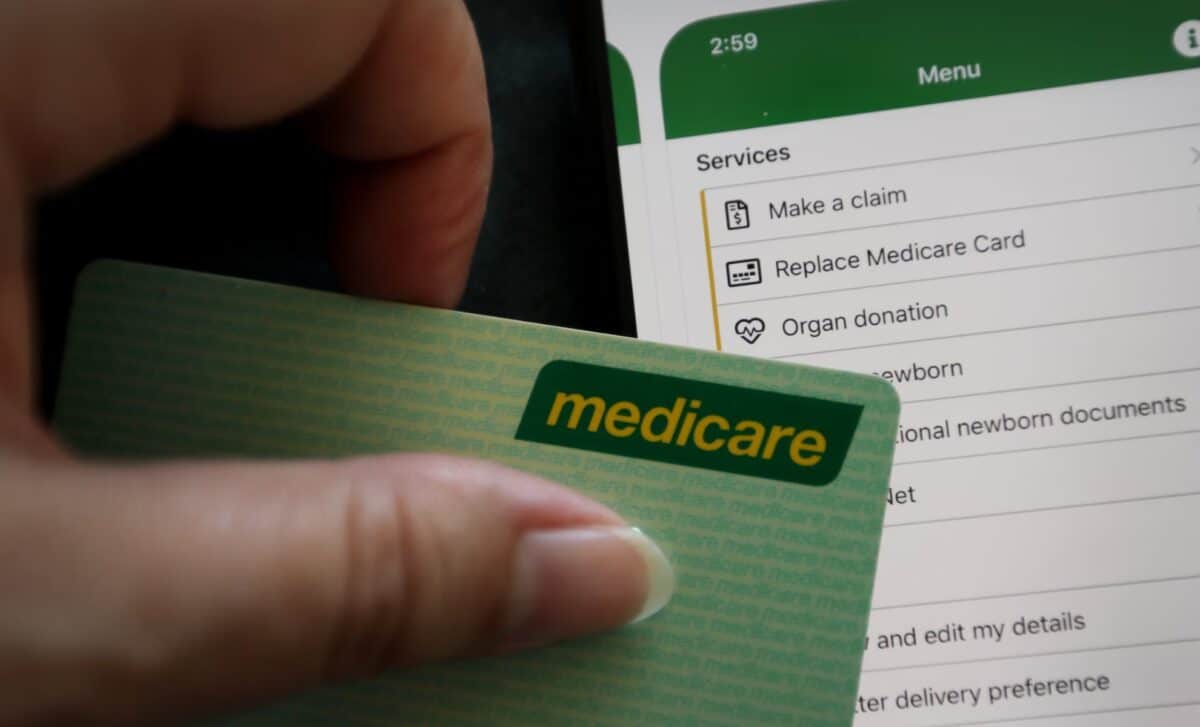
Here’s the truth: Services Australia will never ask you to pay for a new Medicare card through text, email, or over the phone. In fact, if your card is about to expire, a new one will be automatically sent to you—no action required on your part. If your card is lost, stolen, or damaged, you can replace it through the official Medicare online portal, via myGov or the myGov app. And, no, you won’t need to pay postage for a replacement.
Services Australia’s Hank Jongen urges Australians to stay vigilant. He noted that scammers are getting better at impersonating trusted institutions, which is why the public has been so susceptible to these types of scams. “We’re seeing scams become more sophisticated, and the messages increasingly look like they’re coming from legitimate sources,” Jongen said in a recent interview.
Why This Matters
Aussies lost nearly $335 million to scams last year, with phishing scams—like the Medicare replacement card scam—leading the charge. The ACCC’s Scamwatch figures show that over 65,000 Australians reported phishing attempts in 2025 alone. These scams are more than just a nuisance—they’re a growing threat to people’s finances and peace of mind. The problem is that scammers are constantly evolving their tactics, making it harder to spot a fake message.
What You Can Do
So, how can you protect yourself? First, don’t click on any links in a text or email claiming to be from Medicare, unless you’ve verified it through official channels. If in doubt, call Services Australia directly. Also, be cautious about sharing personal information over the phone or online, and make sure your passwords are strong.
Ultimately, staying informed is your best defense. As scams become more sophisticated, it’s essential to keep your guard up and be skeptical of unsolicited messages, especially those asking for money or personal details. With a little vigilance, you can avoid being taken advantage of by these scammers. Stay safe, and always double-check before responding to any suspicious message.