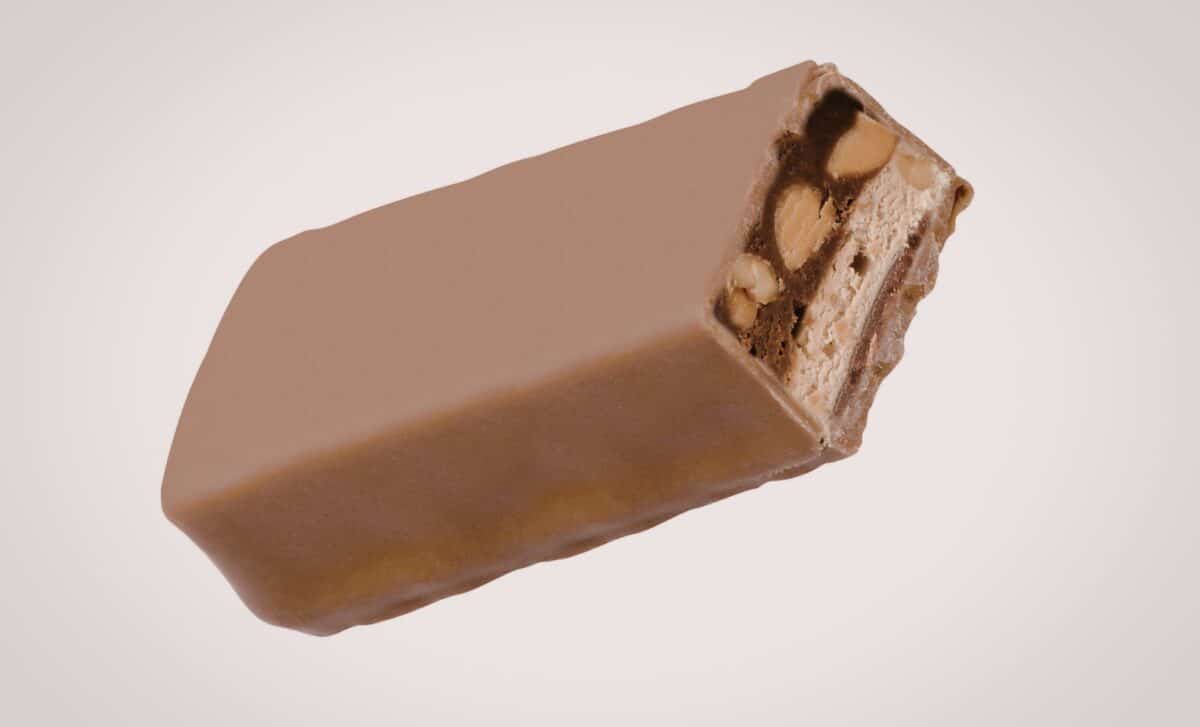
If you’ve got Milo bars in your pantry, double-check the label. A recall has been issued after pieces of black rubber were found in some Milo Original Snack Bars. Authorities are urging customers to return the affected products to stores for a refund.
What Happened?
So, how did rubber end up in a Milo snack bar? According to Food Standards Australia and New Zealand (FSANZ), the contamination is linked to a production issue at a Nestlé contract manufacturer’s facility. The failure of equipment at the plant caused small bits of black rubber to dislodge and end up in the bars. It’s a fairly simple explanation, but one that could cause big problems for anyone who unknowingly consumes the affected product.
The Milo Dipped Snack Bars and Milo Original Snack Bars in several pack sizes—ranging from 160g to 960g—are the ones in question. They were sold in popular supermarkets like ALDI, Coles, Woolworths, and IGA, across multiple states including New South Wales, Queensland, Victoria, Tasmania, South Australia, and Western Australia. You might have even picked up a few yourself, but don’t worry—if you did, the recall process is pretty straightforward.
What to Do If You Have Them
If you’ve purchased any of the affected Milo bars with best-before dates showing “end of August 2026,” and batch numbers including 5316TD15, 5317TD15, and several others listed in the recall, don’t panic. FSANZ and Nestlé recommend that consumers avoid eating the products and return them to the store where they were purchased for a full refund. Easy enough, right?
However, for anyone concerned about their health after consuming these bars, FSANZ advises seeking medical advice just to be safe. While the rubber pieces are unlikely to cause serious injury, it’s better to be cautious, especially if you’ve already eaten some of the bars.
What Does This Mean for Nestlé and Consumers?
For Nestlé, the recall is undoubtedly a blow to its reputation. Milo is a beloved product in Australia, and the contamination is the kind of news no brand wants to deal with. That said, the company has acted quickly by issuing the recall and providing clear instructions for returning the affected products. Still, it’s a reminder of how even trusted brands can face hiccups in their manufacturing processes.
For consumers, it raises some important questions about food safety. How often does this kind of contamination occur, and how are companies ensuring their products are free from unexpected hazards? It’s not something we usually think about when we grab a snack off the shelf, but it’s a part of food safety that can’t be overlooked.
Looking Forward
While it’s disappointing that Milo bars are part of this recall, it’s a reminder that the systems in place to keep our food safe are working. Nestlé, FSANZ, and the stores involved have done their part to handle the issue quickly. So, if you’ve got any Milo bars lying around, check the labels, and if they’re part of the recall, take them back for a refund. As for the rest of us, let’s keep our fingers crossed for a smooth and safe snack experience in the future!