
Australia’s property market is slowing down, and the main culprit is the latest interest rate hike. With interest rates climbing, prospective buyers are becoming more hesitant, and property prices are cooling off. It’s a shift from the red-hot market we saw just a year ago, and it’s clear that the rate hikes are having a big impact. But what does this mean for both buyers and sellers moving forward?
A Shift in the Property Market
The rapid rise in interest rates has changed the game for many potential homeowners. ANZ is predicting a slowdown in property price growth over the next two years, particularly in cities like Sydney and Melbourne, where prices have already seen a slight dip. These two cities have been showing signs of “softness,” with house prices down 0.1% since November 2025, and auction clearance rates easing over the past few months.
However, the impact of these rate hikes is not the same across the country. Smaller cities like Brisbane, Perth, and Adelaide are still expected to see property price growth. With a critical shortage of housing supply, these cities are likely to continue performing better than their bigger counterparts, even if the overall market is cooling. Interestingly, Brisbane and Perth were the standout cities of 2025, with property prices rising by more than 13%, a much steeper increase than what we’re likely to see in the coming years.
Rising Costs for Buyers
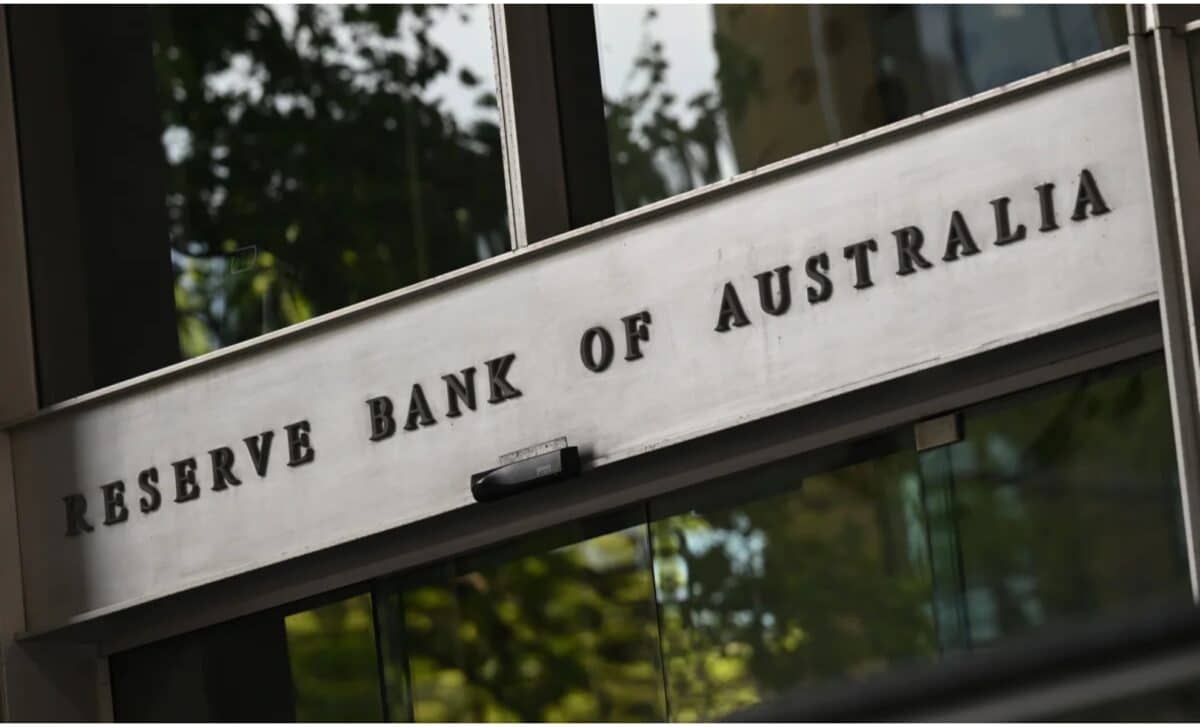
The Reserve Bank of Australia (RBA) recently increased the cash rate to 3.85%, a 25 basis point hike, and hinted that more hikes could be on the way if inflation remains too high. This is creating a challenging environment for those looking to enter the market. For example, the typical monthly repayment on a $500,000 home loan with principal and interest repayments could go up by about $79 following the rate hike. While some buyers might be able to absorb this increase, many are already feeling the squeeze.
This higher cost of borrowing means fewer people are entering the market, and those who do are finding themselves paying more each month. As Pedro Rodeia from ANZ notes, those affected by the rate increases may want to take a hard look at their finances and reach out to their banks to work out a plan.
What’s Ahead for the Property Market?
Despite the cooling trend in cities like Sydney and Melbourne, property prices in the smaller capitals are expected to keep rising. ANZ forecasts a 2.5% increase in Sydney house prices in 2026, with Melbourne seeing growth of around 2.1%, reports Yahoo Finance. These figures are relatively modest compared to previous years but still indicate some growth. That being said, the overall market will likely experience slower growth compared to the more explosive jumps we’ve seen in the past two years.
The slower market could also signal a shift in the types of properties buyers are looking for. With higher mortgage costs, many first-time buyers might be looking for more affordable options in the outer suburbs or smaller cities where prices are still on the rise but are more manageable.
The Effect on Sellers
For sellers, the rate hikes mean that they may need to lower their expectations. With fewer buyers in the market, prices are not likely to reach the same levels as they did in the past. As property prices cool, sellers may need to adjust their pricing strategies, which could lead to fewer properties being listed in the first place. Some homeowners who were thinking of selling might choose to stay put, seeing the market as less favorable for getting the price they want.
Ultimately, the cooling property market is a bit of a double-edged sword. First-time buyers may have a chance at more affordable properties, but they’re also facing higher costs for borrowing. Sellers, on the other hand, might see a slower market, which means they’ll need to be more realistic with their pricing.