
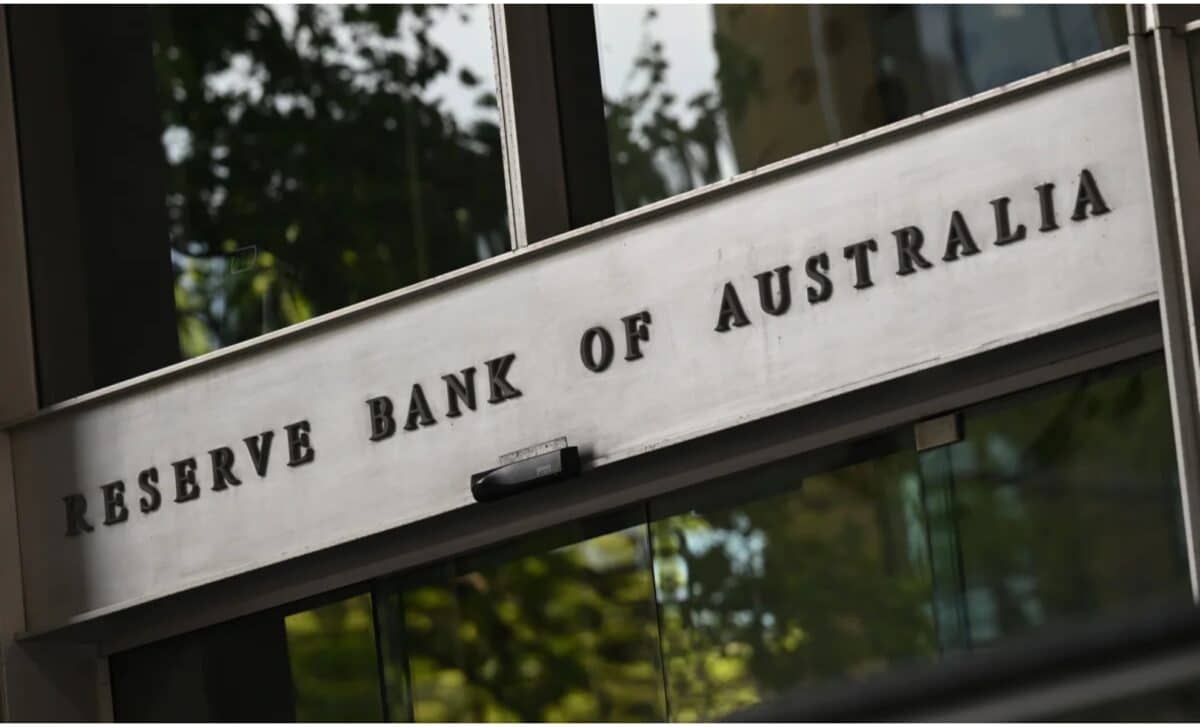
Inflation is still hanging over Australia like a storm cloud, and the Reserve Bank of Australia (RBA) just threw a little more fuel on the fire. The RBA raised interest rates again, pushing the cash rate to 3.85%, hoping to cool off the economy and bring inflation down. But it’s not just about numbers and charts — it’s about what Aussies are expected to do next to avoid further pain.
Why the RBA Made the Move
Let’s start with the basics: the RBA’s rate hike is designed to slow down inflation, but here’s the catch — it’s not going to be an instant fix. While on paper, the economy is looking decent with low unemployment and wage growth, everyday Australians are feeling the squeeze. Everything from the weekly shop to energy bills is climbing steadily, and inflation still sits above 3.8%.
But the RBA’s Governor Michele Bullock warned that if inflation continues, it would hurt even more Australians in the long run. Yes, the rate hike is tough, especially for those with mortgages, but the alternative — letting inflation get out of control — would be worse.
Where Is the Inflation Coming From?
Inflation in Australia is not a simple, one-size-fits-all problem. There are a few different culprits the RBA is focused on, and each of them requires a different kind of solution. Housing costs are the biggest issue. Rent prices and utility bills have skyrocketed by 5.5% over the year, and new construction is struggling due to rising costs of materials and labor.
Interestingly, the interest rates, which are meant to cool demand, have slowed down housing construction, creating a tight supply that only pushes rents higher. Then there are the durable goods, like fridges, cars, and appliances, which have seen a rise in demand and prices. These are long-lasting purchases that people tend to hold onto for years, but when prices go up, it hurts people’s ability to buy them.
Finally, there are market services, like restaurant meals, taxi fares, medical appointments, and gym memberships. These have become more expensive because businesses, having to pay higher wages to their employees, are raising their prices to maintain their profit margins. Wages have been a major factor in driving this part of inflation.
What Does the RBA Want Australians to Do?
So here’s the kicker: the RBA doesn’t want Australians to just sit back and take the hit. It’s hoping for action. It wants Aussies to spend less and save more. The idea is that if people cut back on unnecessary spending, the demand for goods and services will decrease, helping to reduce inflationary pressures. The RBA also hopes that Australians won’t push for big wage increases, which could trigger a wage-price spiral where businesses raise prices to cover the higher wages they’re paying, and the cycle continues.
Raising interest rates is a blunt instrument, and it’s not a perfect solution. Governor Michele Bullock admitted it’s not a science, but rather an art that involves adjusting things based on what’s happening. The RBA is trying to balance inflation control with economic growth, hoping that the adjustments they’re making will help slow inflation without pushing the economy into a deeper downturn, explains The Conversation.
What’s Next for Australian Households?
In the short term, the RBA’s move will likely make things harder for people with mortgages. While wage earners may have it a little easier, the overall cost of living is still rising for everyone. So, what can Australians expect in the coming months? If inflation keeps climbing, expect more rate hikes. But if people can cut back on spending, save more, and resist the urge to demand higher wages, the economy might have a better shot at stabilizing.
In the end, the RBA’s rate hikes are like tightening a screw to keep inflation from spiraling. It might hurt for now, but if done right, it can prevent an even worse outcome down the road. The challenge? Getting everyone on board.