
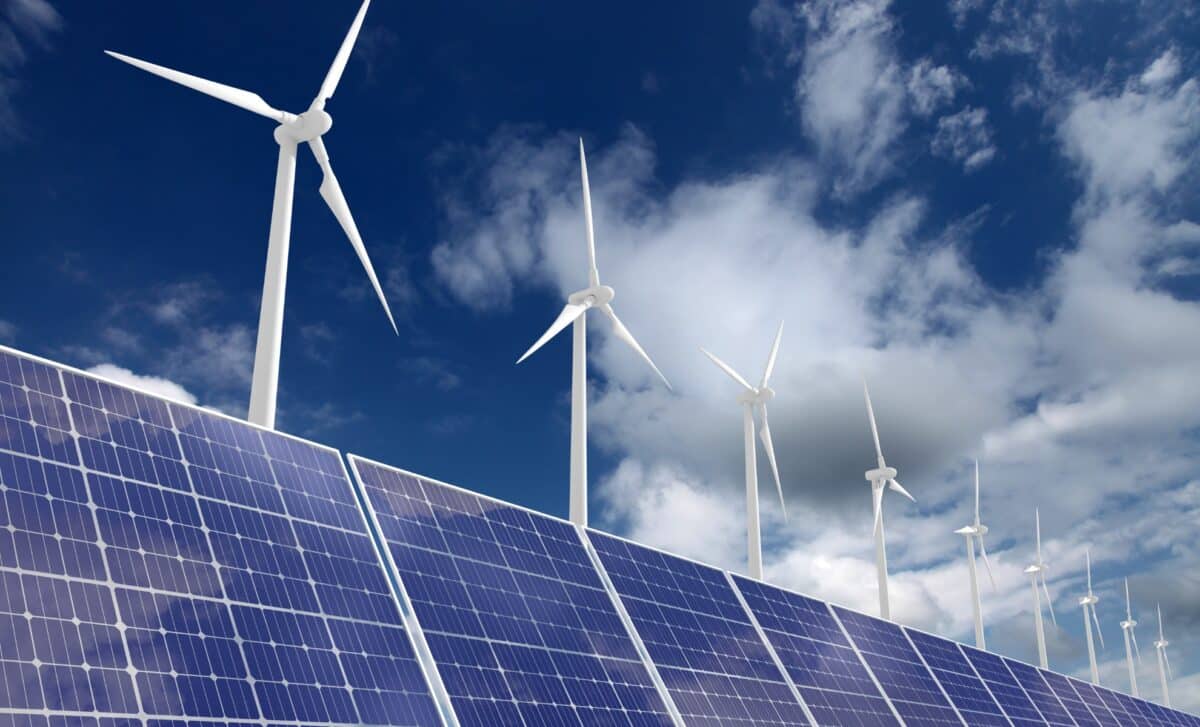
Australia has just hit a major milestone in its shift to renewable energy. For the first time, more than 50% of the country’s electricity was powered by renewable sources in a single quarter. This momentous shift is not only a victory for the environment but is also playing a crucial role in driving down electricity prices—just as consumers are facing rising living costs.
A Historic Moment for Australia’s Energy Grid
According to the latest data from the Australian Energy Market Operator (AEMO), renewable energy—mainly from solar, wind, and large-scale battery storage—powered more than half of the national grid during the final quarter of 2025. The achievement has led to wholesale electricity prices plummeting by 44% compared to the same period last year, dropping to just $50 per megawatt-hour.
This shift to renewables has had a significant impact on the market. Historically, coal and gas plants have dominated the energy mix, but their contribution has steadily decreased as renewables have taken on a larger share. This has also resulted in the lowest seasonal share of coal-fired power since records began and the lowest reliance on gas since 2000.
Why This Matters for Consumers
While the wholesale price drop is a clear positive for the environment, it also translates into potential savings for consumers—though the path from wholesale to retail pricing is a bit more complicated. Lower wholesale prices have already been reflected in future contracts for large industrial users, and this could help prevent significant increases in energy bills for everyday households, explains SMH.
However, it’s not all smooth sailing. The Albanese government had previously promised $275 off the average energy bill by 2025. Although there’s been progress, the absence of the $75 quarterly energy rebate will leave some households feeling the pinch, especially if retail electricity prices don’t drop as much as expected.
The Challenges Ahead
Despite this achievement, renewable energy is still not entirely reliable. On certain occasions, such as during extreme heat waves or cloudy, windless days, solar and wind energy alone cannot meet the energy demand. This is where gas and coal plants remain essential for back-up power. In fact, earlier this year, Australia’s largest coal-fired power plant, Eraring, had its closure postponed by two years due to concerns that the grid wasn’t prepared for its retirement.
Moreover, while the shift to renewables has reduced overall electricity prices, some experts argue that price spikes could still occur during times of high demand, especially when renewable sources aren’t performing optimally.
Looking to the Future
The record-setting quarter for renewable energy is undeniably a step forward, but it also highlights the ongoing challenges of transitioning to a fully renewable energy system. While the decline in wholesale prices brings some relief to households, it’s clear that the Australian energy market still relies on a mix of old and new sources to ensure stability.
As the country moves toward a more sustainable future, the key challenge will be maintaining this balance—ensuring energy security while continuing to reduce the costs of renewable technologies. With the right investments in storage solutions and grid infrastructure, Australia can continue its progress toward a cleaner, cheaper, and more reliable energy future.