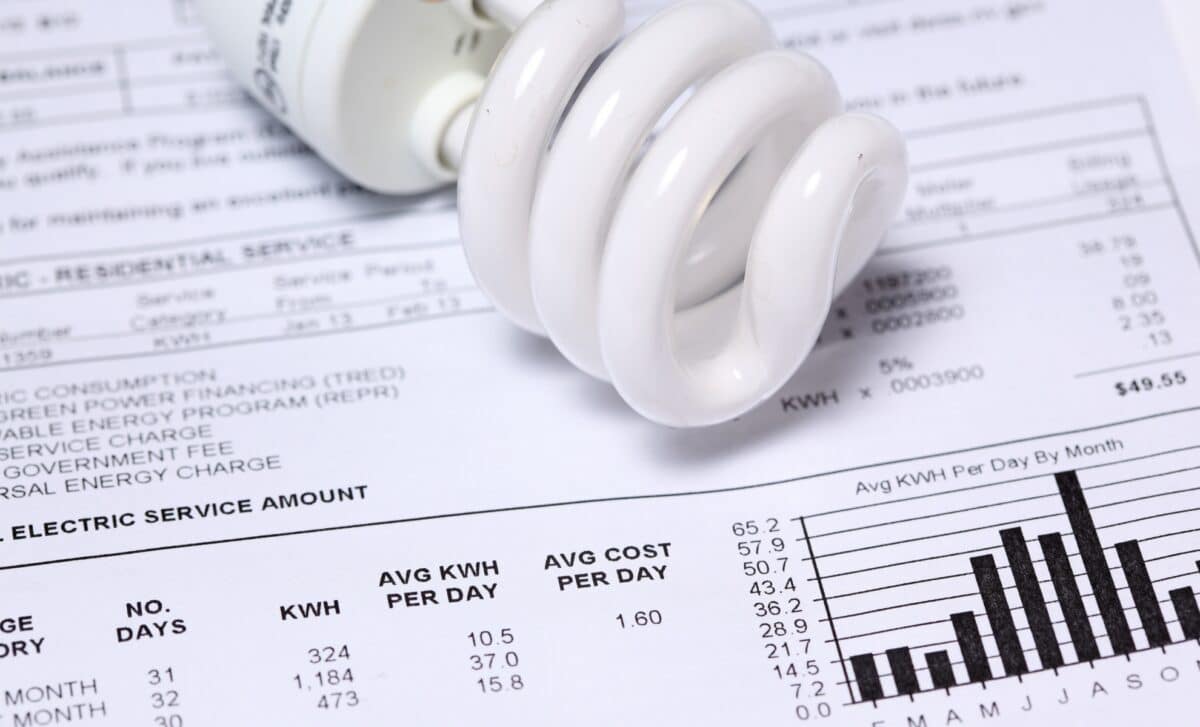
Australia’s federal government will roll out a new solar energy scheme from July 1, aiming to cut household energy bills and shift electricity use to daytime hours. While the program has support in principle, energy retailers warn that its structure may favour wealthier households.
Households Could Save Up to $800 a Year
The initiative, known as the Solar Sharer scheme, will require electricity retailers in NSW, South Australia, and southeast Queensland to offer three hours of free electricity during the day. The scheme is designed to take advantage of excess rooftop solar generation flooding the grid at midday.
Government analysis suggests families could save between $500 and $800 annually if they schedule appliances like dishwashers, washing machines, dryers, or hot water systems during the free power window. The savings vary depending on household size and how much electricity can be shifted to daytime use.
For a five-person household, shifting about 20 to 30 percent of daily energy use to the free period could save up to $1100 per year, especially if the home also charges an electric vehicle or operates a pool pump during this window, reports The Age.
Aimed at Those Without Solar
The government insists that the policy is meant to broaden access to solar energy savings, especially for households without rooftop solar or batteries. Energy Minister Chris Bowen described the offer as a way to “share the benefits of our huge solar generation” more fairly.
Critics, however, argue that the scheme may unintentionally favour households that already have the flexibility to benefit—such as those with home battery systems or electric vehicles. Retailers are also concerned that the free energy window may lead to higher prices at other times of day, or create extra costs for smaller energy providers.
Bowen countered these concerns by saying the program would be particularly useful for people working from home, retirees, students, and households with appliances that can be scheduled or set with timers.
Energy Policy Under Pressure
The rollout comes at a politically sensitive moment. The government had previously promised to reduce energy bills by $275 per year by 2025, a target that remains far off. In December, it confirmed that $300 annual subsidies on energy bills would not be renewed for this year.
With energy prices at record highs, the Solar Sharer scheme is seen as an effort to shift behaviour without requiring large-scale infrastructure upgrades. By encouraging energy use during periods of solar oversupply, it may also reduce evening peak demand, when electricity is most expensive and carbon-intensive.
Expansion to Other States Possible
For now, the program will apply only in regions where the Australian Energy Regulator sets price benchmarks. The government is working with other states to extend the scheme nationwide by 2027. Victoria, for instance, has launched industry consultations to explore a local version of the initiative.
Whether the policy achieves its dual aim—relieving household bills and better using excess solar supply—will likely depend on how widely consumers adopt it and whether retailers adjust their pricing structures fairly.