
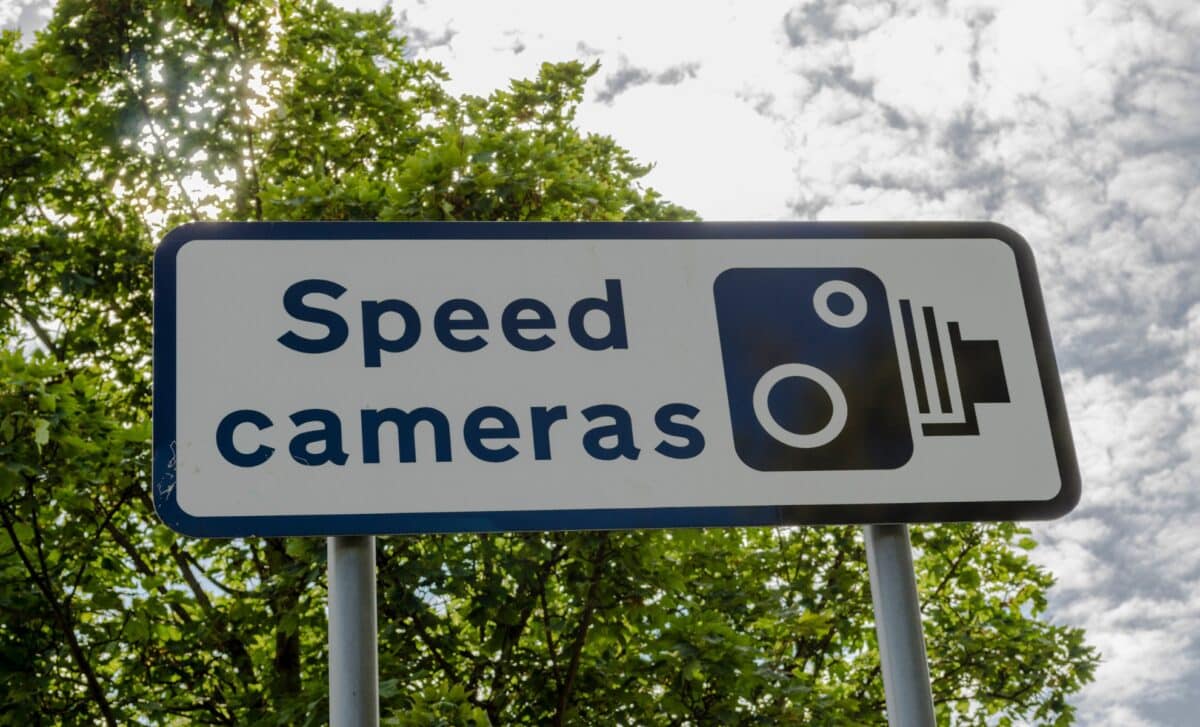
Drivers in South Australia are being warned to keep a closer eye on their speedometers. A fleet of new high-tech speed cameras is being rolled out — and they’re far more advanced than anything drivers have seen before.
Next-Generation Speed Cameras Hit South Australian Roads
The South Australian Government has announced the installation of state-of-the-art speed cameras capable of detecting multiple offences at once, including speeding, mobile phone use, and even seatbelt violations, reports 9News.
These new devices will be deployed across key highways and suburban roads, replacing older models that relied on simpler radar technology. The advanced cameras can monitor multiple lanes simultaneously, track several vehicles at once, and capture sharper evidence in poor lighting or weather conditions.
Authorities say the goal is simple — to reduce road trauma and crack down on the risky driving behaviours that cause serious crashes. But not everyone is convinced. Critics argue that while safety is important, the rollout also represents a new source of fine revenue for the state.
Technology That Sees Everything
Unlike traditional radar-based systems, the new speed cameras use high-resolution sensors and artificial intelligence to analyse vehicle behaviour in real time. They can identify number plates from hundreds of metres away and even detect if a driver is holding a phone or not wearing a seatbelt.
The cameras feed directly into a centralised processing hub, allowing for faster and more accurate penalty notices. This technology has already been tested in New South Wales and Queensland, where it’s been credited with cutting mobile phone use by up to 80% on some roads.
In South Australia, more than 70 new units are expected to be activated by mid-2026, with the first batch already switched on in Adelaide’s northern suburbs.
Balancing Safety and Fairness
Government officials maintain that the initiative is about saving lives, not issuing fines. They point to the state’s rising road toll — 116 deaths last year — as proof that tougher enforcement is needed.
But motoring groups have raised concerns about transparency, saying there should be clear signage and public reporting on where and how these new systems operate. Some have also called for grace periods while drivers adjust to the new technology.
What Drivers Can Expect
For everyday motorists, it means one thing: fewer excuses for breaking the rules. Authorities say the cameras are nearly impossible to fool and will make the state’s roads safer over time. Still, as anyone who’s ever been caught just a few kilometres over the limit knows — these new eyes on the road will take some getting used to.