
Australia’s unemployment rate has edged lower once again, surprising many economists who expected signs of softening. The jobs market, it seems, is proving tougher than predicted.
Unemployment Falls Despite Economic Headwinds
New data from the Australian Bureau of Statistics (ABS) shows that the unemployment rate dropped to 4.1% in December, down from 4.3% the previous month. The latest figures indicate that employment increased by roughly 38,000 people, while the number of unemployed Australians fell by around 30,000.
Despite a backdrop of rising interest rates, higher living costs, and subdued consumer spending, Australia’s labour market has remained remarkably resilient. According to the ABS, the employment-to-population ratio stayed steady at 64.3%, highlighting continued strength in hiring across several key sectors.
ABS head of labour statistics Bjorn Jarvis said the increase in employment followed a small fall in November, suggesting some month-to-month volatility but a generally stable trend.
Strong Job Growth in Services and Construction
The figures show that most of the recent job gains came from the services, healthcare, and construction industries — sectors that have continued to expand despite economic uncertainty. Full-time employment rose slightly, while part-time work remained steady.
Meanwhile, the participation rate held firm at 67.2%, close to its record high. Economists say that while the overall picture looks positive, underlying pressures remain. Wage growth is still struggling to keep pace with inflation, and some employers are beginning to scale back hours or delay new hires.
RBA Watching Closely
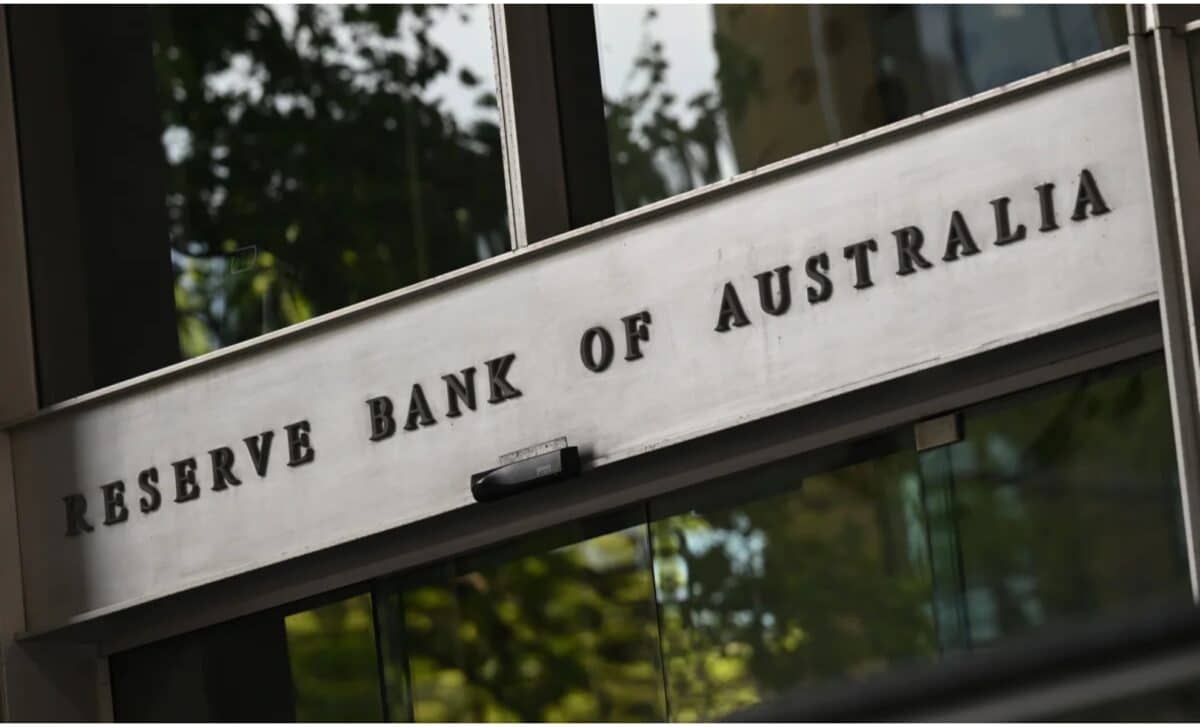
The Reserve Bank of Australia (RBA) will likely take note of the figures as it weighs its next move on interest rates. A tight labour market can contribute to wage pressures, which in turn risk keeping inflation higher for longer.
Economists say the latest fall in unemployment could make it harder for the RBA to justify rate cuts in the near term, particularly with inflation still above the central bank’s 2–3% target range. However, they also note that signs of slowing consumer demand could eventually cool the market later in 2026.
A Delicate Balance
While policymakers welcome low unemployment, some analysts warn that the strong labour market masks growing challenges beneath the surface — such as underemployment and declining job security. More Australians are working multiple jobs or shorter hours to manage rising living costs.
Still, for now, the latest data confirms what’s been true for much of the past year: Australia’s jobs market continues to defy expectations. Whether it can stay that way as economic conditions tighten is another question entirely.