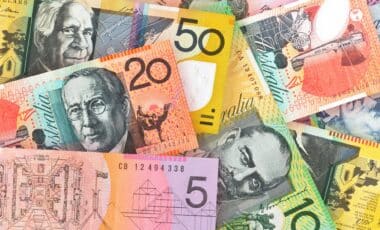

It’s the kind of thing you can feel before you even see the numbers — the rising grocery bill, the fuel receipt that stings a little more than last week. Australians may be hoping for relief, but when it comes to inflation, expectations are still stubbornly high.
Australians Expect Inflation to Stay Elevated
According to the latest data from the Melbourne Institute, Australian consumers now expect inflation to remain around 4.5% over the next year, despite official figures showing price growth easing across much of the economy.
The survey, conducted in early January, revealed that households remain unconvinced the Reserve Bank of Australia (RBA) has inflation fully under control. Many respondents said they’re still feeling the pinch in everyday essentials like food, rent, and utilities — even as broader economic indicators point to moderation.
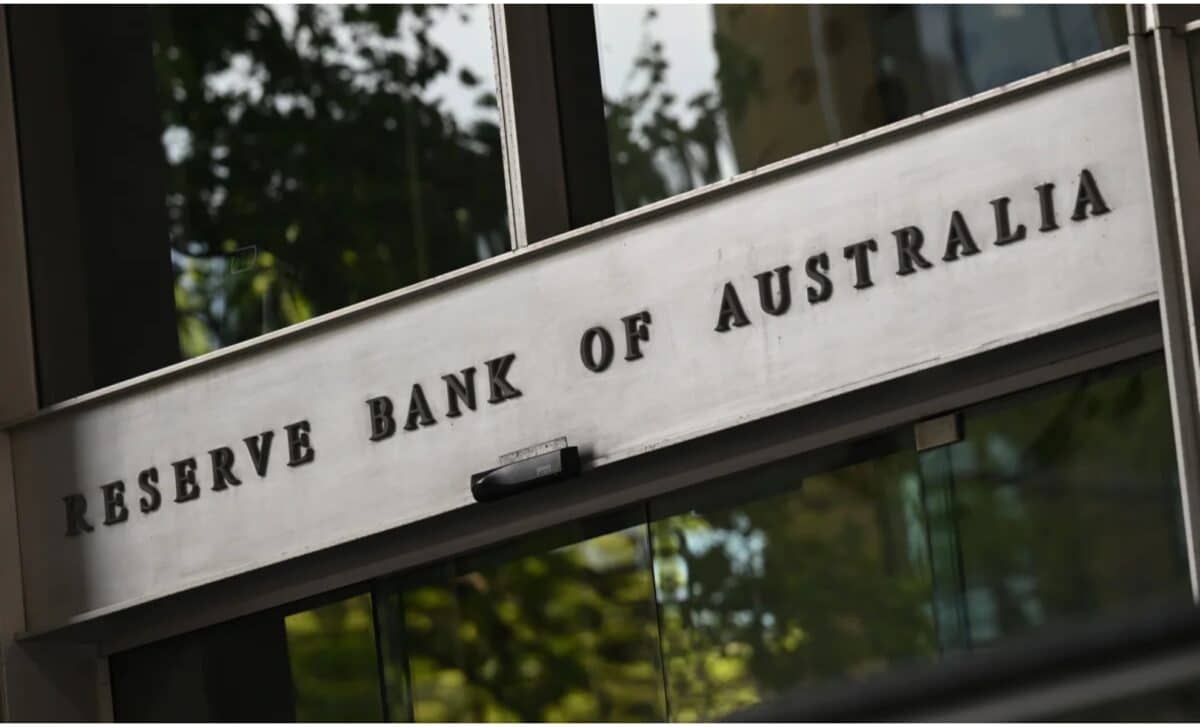
While official inflation sits at 4.3%, that’s still well above the RBA’s target range of 2–3%. The persistence of high price expectations is worrying economists because it can influence behaviour — prompting workers to push for higher wages and businesses to keep lifting prices.
Why Inflation Feels So Sticky
Economists say that while inflation has fallen from its peak, the most visible costs — groceries, fuel, insurance, and rent — haven’t dropped much at all. These are the prices people encounter daily, which explains why confidence in the slowdown remains weak.
Households are also contending with the delayed effects of past interest rate hikes. Mortgage repayments are still biting into disposable income, and many Australians feel their financial position hasn’t improved, even if wages have edged higher.
It’s a classic case of perception catching up slowly to data: the economy may be cooling, but everyday life still feels expensive.
The RBA’s Delicate Balancing Act
The Reserve Bank is keeping a close eye on both consumer sentiment and inflation expectations ahead of its February meeting. Policymakers fear that if the public believes inflation will stay high, it could make it harder to bring prices back under control.
Markets are still divided over when the RBA will start cutting rates. Some analysts expect a move later this year if inflation continues to ease, while others warn that persistent price expectations could delay any shift until early 2027.
Living With Higher Costs
For now, Australians appear resigned to a longer stretch of elevated costs. Many households are cutting back on discretionary spending — fewer restaurant visits, smaller holiday plans, and more budget-conscious shopping, reports Yahoo Finance.
The good news is that inflation is heading in the right direction. The bad news? It’s going to take a while before it feels like it.