
While economists expected Australians to tighten their belts, it turns out many did quite the opposite. November saw shoppers across the country open their wallets wide, splurging on sales, concerts, and experiences—even as mortgage repayments and everyday costs climbed higher. The question now is whether this spending surge is a sign of resilience or recklessness.
Black Friday Fever and Big Events Drive the Boom
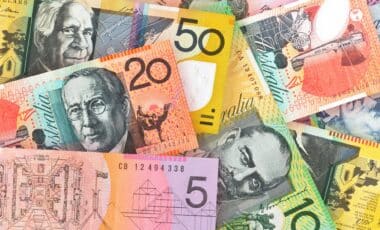
According to the Australian Bureau of Statistics, household spending jumped 1% in November, a figure that surprised even the most optimistic analysts. Over the past year, spending has climbed 6.3%, suggesting that Australians are still finding ways to enjoy life, even amid economic uncertainty. A big part of the spending boom came from Black Friday sales, which have become a retail phenomenon across the country.
Add in major concerts like Oasis and Metallica, as well as the Ashes Test, and you’ve got a perfect storm of events encouraging people to part with their cash. Service spending jumped 1.2%, while goods spending rose by 2.2%, led by big-ticket items such as furniture and household equipment. Even clothing and footwear sales saw a 2% boost, as Aussies flocked to take advantage of seasonal discounts.
The Spending Spree That Has Economists Worried
But while retailers are celebrating, not everyone is cheering. Financial experts warn that this sudden burst of spending could have serious implications for interest rates in 2026. Marc Jocum, senior investment strategist at Global X, says the figures might give the Reserve Bank of Australia reason to pause before cutting rates. “It weakens the case for imminent easing and keeps upward pressure on rate expectations,” he explained to Yahoo Finance.
Since household consumption makes up about 60% of Australia’s GDP, continued high spending could make it harder for inflation to come down, forcing the RBA to keep rates higher for longer.
A Two-Speed Economy Emerging
The surge in spending has also highlighted the growing gap between those who are managing comfortably and those barely scraping by. Oxford Economics Australia’s head of economic research, Harry Murphy Cruise, described it as a “two-speed economy.” Outright homeowners, buoyed by rising property values and higher savings income, continue to spend freely.
Meanwhile, renters and mortgage holders are under growing pressure, juggling higher interest rates and rising living costs. “We’ll see steady, but unspectacular, spending growth through this year,” Murphy Cruise predicted, noting that overall confidence remains fragile despite the recent splurge.
The Emotional Side of Spending
There’s also an emotional element at play. After years of pandemic restrictions, rising costs, and relentless financial stress, many Australians are simply tired of cutting back. The Black Friday weekend and major events gave people a reason—perhaps even an excuse—to spend a little more, to feel normal again, even if just for a moment.
But that sense of normalcy comes at a cost. For many, it means stretching budgets even thinner or taking on more debt. It’s a cycle that experts warn could backfire if economic conditions worsen or interest rates stay higher for longer.
What Lies Ahead
If spending continues at this pace, economists say it could delay any interest rate cuts the RBA was considering for 2026. For mortgage holders, that’s worrying news. The irony is that Australians’ determination to keep spending—fueled by sales, concerts, and lifestyle treats—might be one of the very things prolonging their financial pain.
Still, there’s something uniquely Australian about this behaviour: a refusal to let economic gloom steal life’s small joys. Whether it’s wise or not, the latest spending figures show that Australians are balancing optimism and reality in their own way—one purchase at a time.