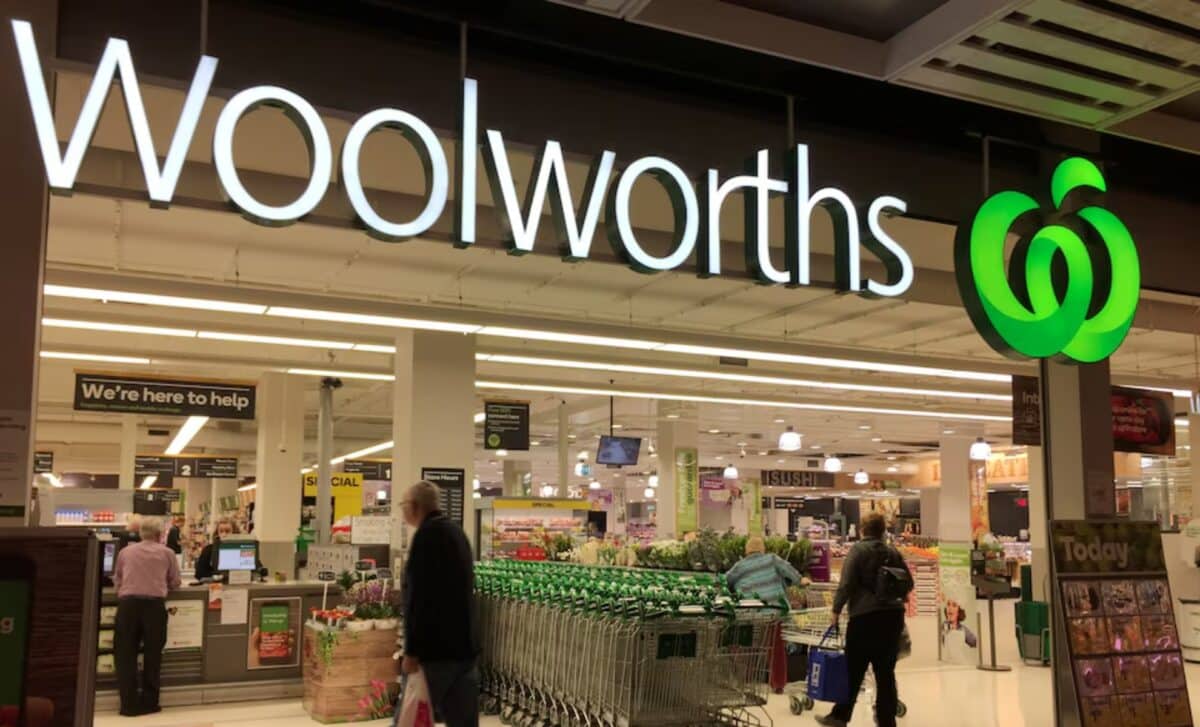
If you’ve been doing your grocery shopping online, you might’ve noticed something new creeping into your total: a $2 surcharge for Sunday and public holiday pick-up or delivery orders. Woolworths is the first major supermarket in Australia to introduce this fee, and it’s already sparking plenty of reactions. But is this really the “necessary” change the supermarket claims it to be, or is it a risky move that could backfire?
The Reason Behind the Surcharge
From February 2024, if you decide to schedule your pick-up or delivery for a Sunday or a public holiday, you’ll be hit with a new $2 fee. Woolworths says this surcharge is a way to cover the extra costs of picking, packing, and delivering orders on those higher-cost days, reports Yahoo News. You see, most staff members working on these days are paid penalty rates, which naturally makes those shifts more expensive for the company. In short, Woolworths is looking to pass some of that cost onto the consumer.
It’s not exactly an unusual practice — we see surcharges on things like food delivery apps, cafés, and restaurants. But for a supermarket giant like Woolworths, this is new territory, and some customers aren’t sure how they feel about it.
Consumer Reactions: Are Aussies Ready for the Change?
Now, it’s fair to say that Woolworths isn’t the first place we think of when we picture a café or restaurant adding a surcharge. And that’s why some consumers might find this new fee a bit off-putting. As Professor Nitika Garg, a consumer behaviour researcher at UNSW, points out, people are more forgiving of small businesses adding surcharges. They assume smaller businesses are just trying to stay afloat. But Woolworths, on the other hand, is a retail giant, raking in billions in profit — so the idea of them passing on costs could leave some shoppers with a bad taste.
According to Woolworths’ financial reports, the company made an underlying net profit of around A$1.39 billion in the last financial year, despite a decline of 17% from the previous year. With such a massive profit, many people will ask, “Why pass on more costs to the consumer?”
The Risky Side of This Move
While Woolworths argues that this surcharge is necessary to maintain the sustainability of its online services, the move is being watched closely by other retailers. If customers accept the surcharge without much backlash, it’s possible that other supermarkets might follow suit. However, it’s a risky move for Woolworths, especially when considering the cost-of-living pressures that Australian families are already dealing with.
Moreover, many budget-conscious shoppers rely on weekend deliveries, particularly those who work during the week. Adding an extra cost to their grocery bill could force them to reconsider how they shop, maybe even changing their habits entirely. The real danger is the potential long-term effect on Woolworths’ reputation. Small add-on charges often have a more significant psychological impact than larger, upfront costs. It could leave customers feeling nickel-and-dimed, especially when many of them have already seen prices rise in other areas.
Will Woolworths’ Competitors Follow?
Coles, one of Woolworths’ biggest competitors, has already confirmed that they won’t be implementing any surcharge. That’s a move that could give Coles a slight edge in the battle for customers, especially for those who are sensitive to price hikes. Woolworths’ move could lead some shoppers to make the switch, or even just opt to return to in-store shopping.