
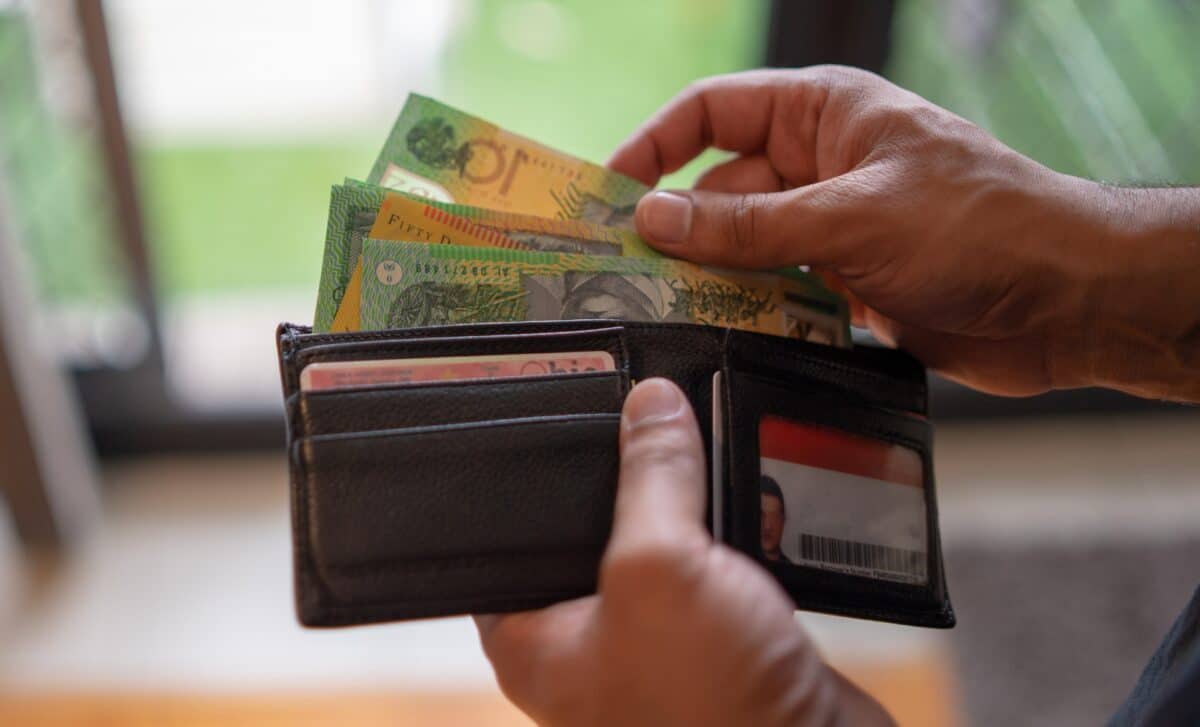
It’s not just rising prices that are eating away at Australians’ savings. Small, routine money habits — the kind that seem harmless in the moment — are quietly draining bank accounts across the country. Many households are realising too late just how much these daily choices cost over time.
Everyday Spending That Adds Up
According to Yahoo Finance, the biggest threat to savings isn’t necessarily major expenses but the steady trickle of small ones. Things like streaming subscriptions, online food deliveries, and frequent impulse purchases can add up to thousands of dollars each year.
Financial advisers say that “invisible spending” has become one of the most common problems. With so many payments happening automatically — from gym memberships to digital services — it’s easy to lose sight of where money is actually going. People think they’re saving, but in reality, their accounts are being drained by recurring charges they barely notice.
The Budgeting Blind Spot
Another major mistake Australians are making is failing to keep a clear budget. In an era of high inflation, where everything from rent to groceries has climbed, not tracking expenses can make it impossible to stay ahead. Many simply spend until the account runs low, assuming they’ll catch up later — but later rarely comes.
The use of buy now, pay later (BNPL) platforms has also surged, especially among younger consumers. While these services appear to offer flexibility, they often mask growing debt. Missed or overlapping repayments can trigger fees, and the false sense of affordability encourages spending beyond one’s means.
The Decline of the Savings Habit
Recent data shows the national household savings rate has dropped to its lowest level in more than a decade. Even those earning decent wages are struggling to put money aside. Some have started dipping into emergency funds to cover everyday costs, while others are relying on credit to manage cash flow.
Financial experts warn that without deliberate savings strategies, this trend could worsen. They recommend reviewing direct debits, setting up automatic transfers to savings accounts, and avoiding emotional purchases. Simple, consistent steps are more effective than occasional bursts of financial discipline.
Small Changes, Big Results
Improving financial health doesn’t necessarily require big sacrifices — just awareness. Many Australians underestimate how powerful small adjustments can be. Cancel unused subscriptions, cook more often, or pause before tapping the card on non-essentials.
Money experts say that even in tough times, control begins with clarity. Knowing where every dollar goes is the difference between building savings and bleeding money slowly. For many, the path to stability starts not with earning more, but with spending smarter.