
For years, electric cars were out of reach for most Australians — too pricey, too limited, too foreign. But that story is starting to change. A new wave of affordable models is hitting showrooms in 2026, giving drivers more choice and a real shot at going electric without breaking the bank.
The Electric Shift Gains Momentum
According to The Guardian, several major automakers plan to introduce electric vehicles priced below $40,000, a milestone that could shift the balance of Australia’s car market. Until now, the average EV cost far exceeded what most families could afford, keeping adoption rates stubbornly low compared to Europe or China.
Now, that’s beginning to change. Companies such as BYD, MG, and GWM are leading the charge with compact hatchbacks and small SUVs designed specifically for budget-conscious buyers. These new models are expected to offer competitive range and features at prices that make electric driving far more accessible.
The arrival of cheaper electric cars reflects both global trends and growing competition. Battery production costs have fallen, manufacturing has become more efficient, and consumers are increasingly demanding sustainable alternatives. Analysts believe that 2026 could be the year when electric vehicles move from niche to normal.
Support from Policy and Infrastructure
Government incentives continue to play an important role in the EV transition. At the federal level, tax exemptions and fringe benefit tax discounts are helping lower the cost of purchase, especially for company fleets. State governments are also investing heavily in public charging infrastructure, making longer trips more practical.
The Electric Vehicle Council reports that EV sales in Australia jumped above 10% of total new vehicle sales in 2025, a record figure that could rise even higher this year. However, policy consistency remains a problem. Some states, including Victoria, have scaled back support measures or removed incentives altogether, drawing criticism from industry advocates who say it risks slowing momentum just as the market starts to mature.
More Models, More Choice
2026 will see the biggest expansion yet in electric car options available to Australians. From compact city runabouts to larger family crossovers, the variety of designs and price points is widening rapidly. That competition is expected to keep pushing prices down and performance up — a win for consumers.
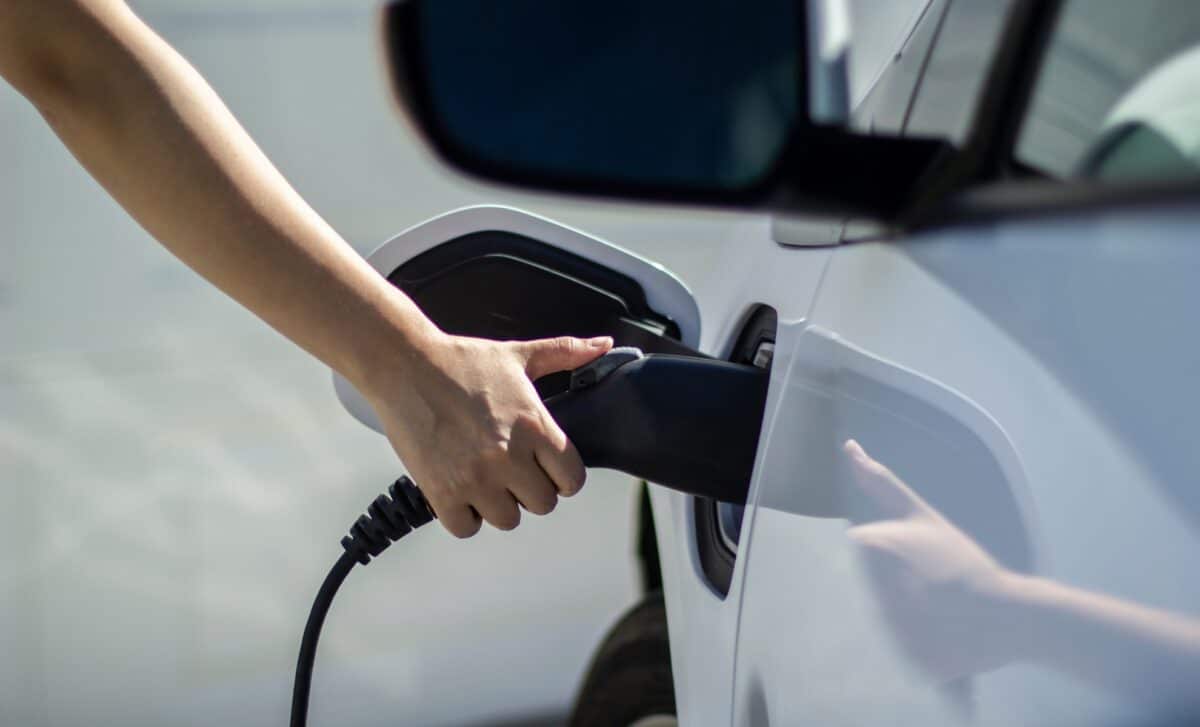
Charging networks are also growing fast. New ultra-fast chargers are being rolled out along major highways, while local councils are installing more public charge points in suburban and regional areas.
A Turning Point for Australia
Experts believe that by the end of 2026, electric cars could represent one in every six new vehicles sold. That may not sound revolutionary, but for a country that was once far behind in EV adoption, it marks a major cultural and economic shift.
Owning an electric car in Australia is no longer a statement of luxury or idealism — it’s simply becoming practical. Prices are falling, infrastructure is improving, and range anxiety is slowly fading. After years of waiting, the electric revolution on Australian roads finally feels real — and this time, it’s here to stay.