The start of the new year brings big changes for thousands of Victorian households. From January 1, gas will no longer be an option for new homes — a shift that’s being hailed as forward-thinking by some and frustrating by others. It’s a change that’s bound to spark debate around cost, comfort, and Australia’s energy future.
Gas Ban Comes Into Force
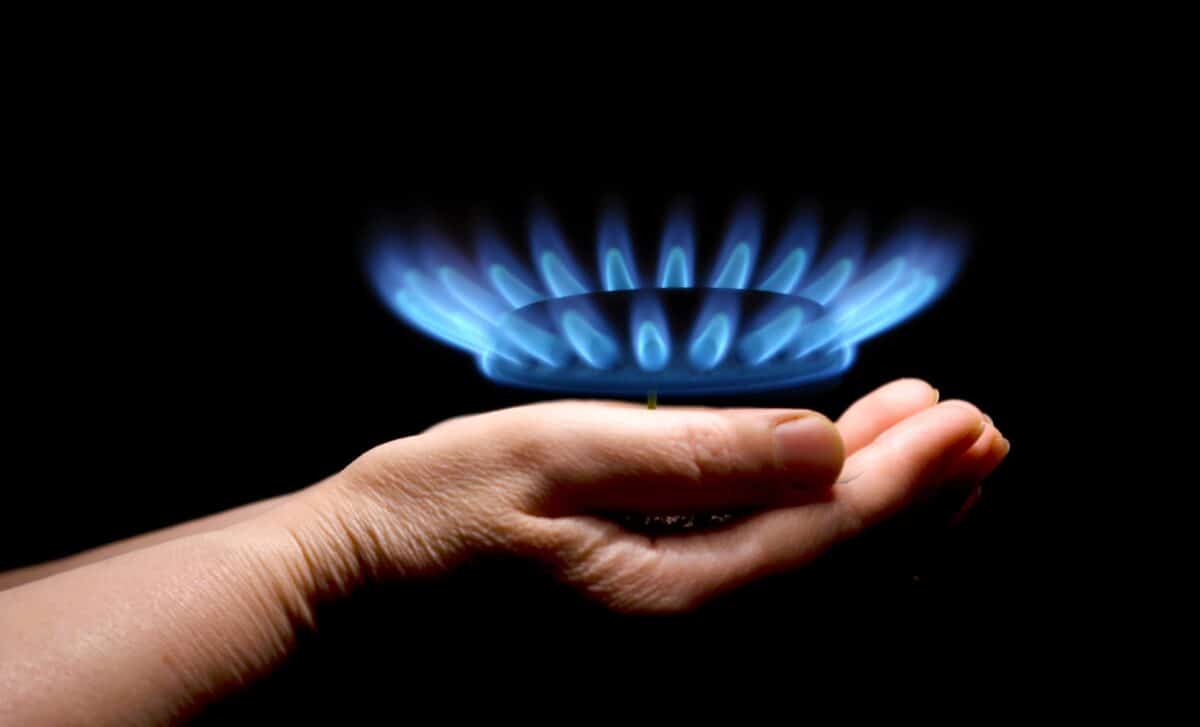
From this week, new residential builds and apartment developments across Victoria will be banned from connecting to reticulated natural gas. The rule is part of the state’s ongoing transition toward all-electric homes, aiming to reduce carbon emissions and reliance on fossil fuels.
For future residents, it means saying goodbye to gas cooktops, heaters, and hot water systems in favour of electric alternatives like induction stoves and heat pumps. The Victorian government says this will help lower emissions and household energy costs in the long term. But not everyone is convinced that the change will be painless.
While existing homes can continue using gas as usual, the new policy will immediately affect developers and builders — forcing them to adapt to different planning standards and appliance options, explains Yahoo News.
Divided Opinions Among Homeowners and Experts
The move has drawn mixed reactions. Supporters say it’s a necessary step toward meeting Victoria’s net-zero emissions target by 2045, arguing that households powered by renewable energy will benefit in the long run. Critics, though, worry about upfront costs and whether the shift will push electricity bills higher before savings appear.
Energy economists point out that while electric systems are generally more efficient, installation costs can be steep. A new induction cooktop, for instance, can cost more than a standard gas stove, and replacing a full gas setup can stretch family budgets already under pressure from inflation.
Energy Costs and Infrastructure Pressure
The state government insists that over time, households will save money as renewable power sources expand and grid efficiency improves. But in the short term, higher electricity demand could drive up costs — especially as more homes switch to fully electric systems.
The Australian Energy Regulator has already flagged potential pressure on the grid, with upgrades and capacity improvements needed to keep up with the growing demand. Officials have promised ongoing investment in energy infrastructure to prevent price shocks.
A National Test Case for Energy Transition
Victoria’s gas ban is being watched closely across Australia. Other states are reportedly studying the rollout as they weigh their own climate and energy policies. If the transition goes smoothly, Victoria could set the tone for a broader national move away from gas.
For now, the shift marks the beginning of a new era — one that trades gas flames for induction plates and fossil fuels for renewables. Whether it leads to cleaner, cheaper energy or short-term frustration, the coming months will reveal how ready Australians are to adapt to a changing energy landscape.