In Queensland, second-hand shopping has become a booming trend — from online apps to vintage stores, thrifting is everywhere. But as more people jump on the bandwagon, there’s one question we need to ask: does buying second-hand really reduce consumption? Or is it just a new way to feed our shopping habits?
The Rise of Thrifting
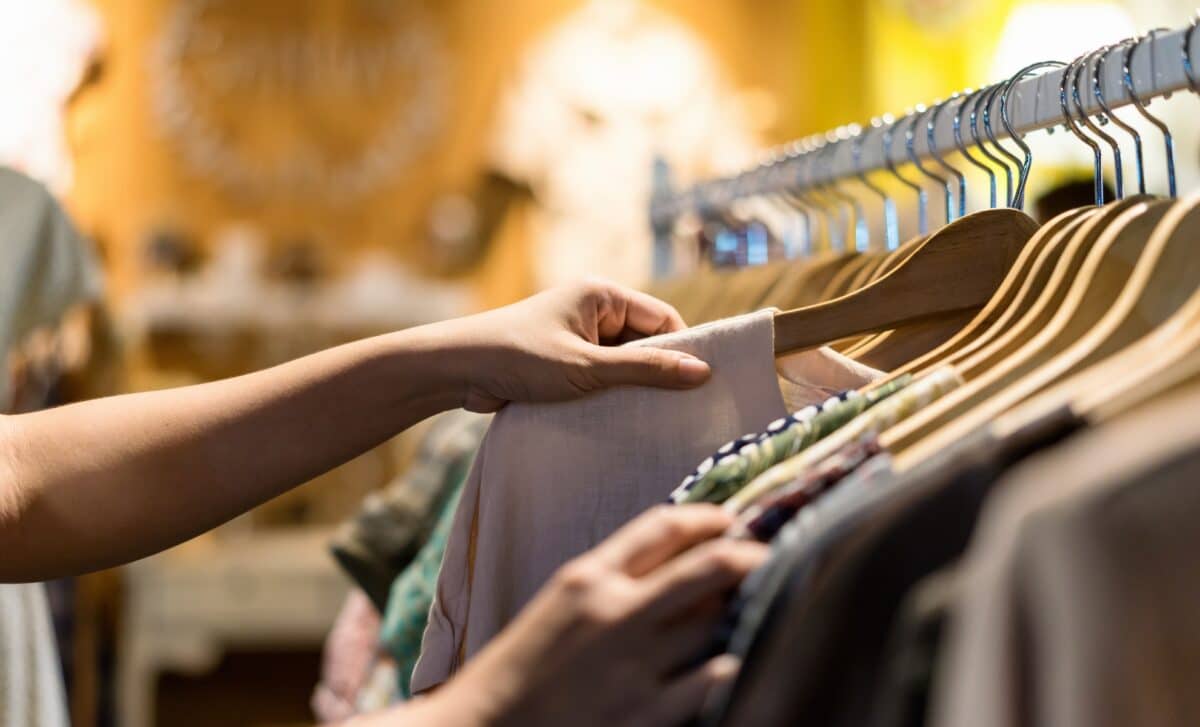
It’s no secret that second-hand shopping has grown massively in popularity over the past few years. Apps like Depop and Facebook Marketplace, as well as physical op shops, are packed with people searching for a bargain. Whether it’s for fashion, home goods, or even Christmas presents, second-hand items have gained an edge over brand-new goods. The financial savings, the thrill of a unique find, and the environmental benefits make thrifting seem like a no-brainer.
But here’s the catch — the sheer popularity of second-hand goods has created a whole new market. In fact, the second-hand market in Australia is predicted to hit $1.5 billion by 2032, thanks in part to platforms that make it easy to resell clothes and other items. From trendy vintage shops to social media influencers showcasing their thrifted wardrobes, it feels like second-hand shopping is everywhere. It’s even got its own holiday — “Thriftmas”, where people exchange pre-loved Christmas gifts and decor to cut down on waste and spending.
The Dark Side of Thrifting?
It sounds pretty great, right? But experts have pointed out that there might be an unexpected side effect: overconsumption. Buying second-hand might make us feel like we’re doing something good for the environment, but it’s also easy to fall into a trap. When you buy something second-hand, you might feel like you’ve earned the right to shop more, even if you buy new clothes soon after. It’s like telling yourself that one healthy meal gives you permission to eat junk food later. This is called “moral licensing,” and it can lead to buying more stuff overall, just with the excuse that it’s “eco-friendly,” reports ABC News.
Also, the second-hand market has its own issues. Some sellers are flipping cheap, low-quality fast fashion items from brands like Shein or Temu, which only adds to the consumption cycle. Buying cheap clothes and reselling them as “vintage” doesn’t actually reduce the environmental impact — it just shifts where clothes are being sold. Instead of buying new from fast fashion retailers, consumers are now buying the same items second-hand, but at a higher markup.
Is Thrifting Really Sustainable?
So, is thrifting as green as it seems? Not always. According to Queensland University of Technology’s Associate Professor Tiziana Ferrero‑Regis, it’s not just about the act of buying second-hand — it’s about our shopping habits as a whole. As long as we keep consuming at the same rate, even second-hand purchases aren’t going to make a dent in our overall waste. Australia still sends 220,000 tonnes of clothing to landfills every year. It’s clear that while second-hand shopping is a step in the right direction, it’s not a magic fix for the fashion industry’s waste problem.
A More Mindful Approach
Of course, there are still plenty of reasons to love thrifting. It encourages a more thoughtful approach to shopping, where the emphasis is on quality and longevity instead of fleeting trends. But if we really want to reduce our environmental impact, we need to go beyond just buying second-hand and focus on reducing the overall amount we consume. Maybe it’s about buying less altogether or choosing higher-quality, sustainable brands.
Thrifting can still be a great way to shop mindfully, but we need to be careful not to fall into the trap of buying more just because it’s “second-hand.” At the end of the day, it’s about conscious consumption — not just where the clothes come from, but how often we’re shopping for them in the first place.