Victorians are facing another hit to the wallet next year, with the state government confirming public transport fares will increase in January 2026. The change, announced quietly just before the holidays, will affect millions of commuters across Melbourne and regional Victoria.
Commuters Brace for Higher Costs
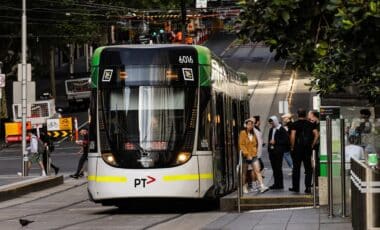
The Department of Transport and Planning revealed that fares on Metropolitan Melbourne’s Myki network, as well as V/Line regional services, will rise by 3.3 per cent from January 1, 2026. The increase, which is roughly in line with inflation forecasts, comes after a similar rise earlier this year.
A daily Zone 1+2 fare, currently $10, will jump to $10.33, while a two-hour ticket will climb from $5 to $5.17. For regular commuters, the extra cost could add up quickly — particularly for those already feeling squeezed by rent, fuel, and grocery prices, details 7News.
The government says the increase is part of its annual fare adjustment process designed to maintain service levels and fund ongoing improvements to the network. But for many, it feels like another blow at a time when budgets are stretched thin.
Mixed Reactions from Commuters
For some passengers, the news wasn’t surprising — just disappointing. Many Melbourne residents have seen a steady stream of price rises across everyday essentials, and public transport has been no exception. Online, travellers have voiced frustration about paying more for what they describe as unreliable or overcrowded services, especially during peak hours.
Public transport advocates argue that fare hikes risk pushing more people back into cars, worsening congestion and emissions across the city. Others say that if prices are rising, passengers should at least see measurable improvements in punctuality, cleanliness, and safety.
Government Defends the Move
The Victorian government insists the fare increase is necessary to keep up with operating costs and to support the expansion of major transport projects, including Metro Tunnel and Suburban Rail Loop works. Officials say that without these annual adjustments, service delivery and maintenance could suffer.
While the increase might appear minor on paper, it continues a trend that has seen commuters paying more each year since 2019. For many families, the change will mean tightening their belts even further.
A Familiar Pattern
Fare adjustments have long been a balancing act for the government: keeping prices affordable while ensuring the transport system remains financially sustainable. But with inflation still stubborn and wages lagging behind, even small fare increases hit harder than before.
Come January, Victorians will once again find themselves paying a little more for the same daily journeys. It’s not unexpected — but it’s unlikely to be welcomed by those who depend on buses, trams, and trains to keep their lives moving.