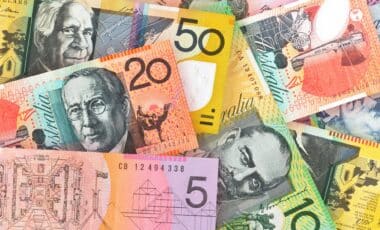

Australians dreaming of a European getaway might soon get a pleasant surprise. The dollar, which has been quietly gaining strength all year, could be heading for its biggest rise in almost a decade — and that means holidays abroad might finally feel a little lighter on the wallet.
The Dollar on the Rise
After a sluggish start to the year, the Australian dollar has slowly clawed its way up from 0.61 to 0.66 US cents, and analysts believe that’s just the beginning. Thanks to a shift in global interest rate trends, experts now predict the currency could surge anywhere between 10% and 40% throughout 2026. The main driver is the growing gap between the economic paths of Australia and the United States. The Reserve Bank of Australia (RBA), despite having cut rates three times earlier this year, is now hinting that a hike could be back on the table as inflation continues to bite.
Meanwhile, the US Federal Reserve has gone the other way — cutting rates under political pressure from President Donald Trump, who’s pushing for cheaper money ahead of the election year. When one country raises rates and another lowers them, global investors notice. Higher rates in Australia make its bonds and assets more attractive, drawing foreign money and lifting the Aussie dollar in the process.
Why Travellers Are Smiling
A stronger currency is a mixed blessing, but for Australians planning a trip overseas, it’s excellent news. More purchasing power means cheaper shopping sprees in New York, fewer budgeting worries in Paris, and better hotel deals in Tokyo. It also helps big importers like JB Hi-Fi or car retailers, who pay less for goods brought from overseas. Market strategist Michael McCarthy from Moomoo said it simply: “With Australia looking at tightening interest rates from here, and the US still looking at lowering rates, over the medium term the Australian dollar is likely to head higher“, reports The Age.
The Catch for Exporters
Of course, not everyone’s cheering. A stronger dollar makes Australian exports more expensive for foreign buyers, cutting into profits for BHP, Rio Tinto, and other major resource companies that sell in US dollars. Economists warn that if the currency climbs too high, it could hurt sectors already struggling with falling commodity prices. Gold and copper are trading at near-record highs, but any sharp correction could stall the dollar’s rally. As UBS economists put it, the Aussie dollar could rise fast — or fall just as quickly if global demand cools.
A Balancing Act Ahead
For now, forecasts remain optimistic. AMP chief economist Shane Oliver expects the dollar to reach 73 US cents next year, while UBS analysts see potential for an even stronger rebound if rate differentials widen further. That said, history has a way of surprising everyone. The Aussie dollar has always been a bit of a roller coaster — strong one year, humbled the next. Still, after years of modest performance, Australians might finally get a little more bang for their buck abroad.
So, while exporters brace for tighter margins, the rest of us might just start checking flight prices — because 2026 could be the year the Aussie dollar takes off.