Gas prices keep climbing, and there’s no sign they’ll slow down anytime soon. As the Albanese government prepares to roll out a new plan to make energy more affordable, Australians are still facing higher bills. The promise of cheaper gas is starting to sound like a distant dream.
Gas Bills Keep Rising
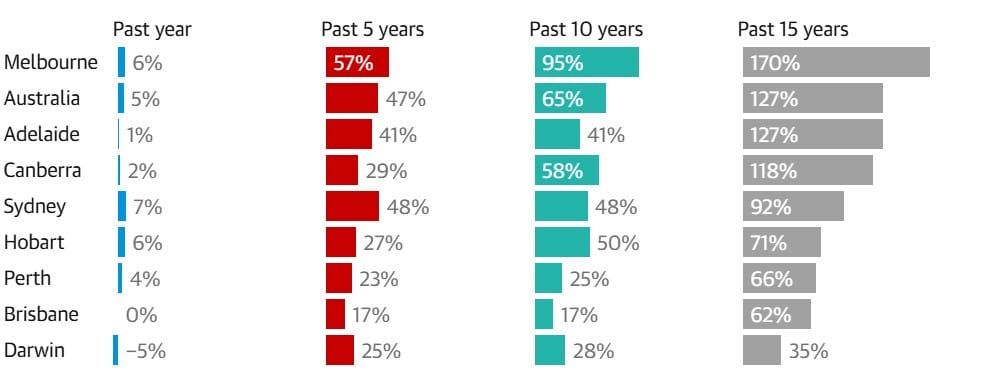
According to the Australian Bureau of Statistics, household gas bills have surged by around 130% over the past 15 years — and almost 50% in just the last five. The price jump hasn’t hit everyone equally: households in Melbourne, Sydney, Adelaide, and Canberra have endured the biggest increases, while Perth, Darwin, and Brisbane have been relatively spared.
It’s not just households feeling the squeeze. Manufacturers have seen gas costs jump by 120% since 2010, far outpacing inflation, which rose by about 50% over the same period. Analysts say higher gas prices added roughly $4.3 billion to Australian energy bills in 2023–24 alone. Those costs don’t just hit families — they ripple across industries, pushing up prices for everything from food to construction materials.
Why It’s Happening
Experts say Australia is simply running out of cheap gas, reports The Guardian. The once-abundant Bass Strait reserves — the backbone of Australia’s energy supply for decades — are dwindling. The new fields being developed are more remote, harder to extract, and more expensive to operate. In short, the easy gas is gone.
The second factor is global. Since the rise of liquefied natural gas (LNG) exports from Queensland in 2014, Australia’s domestic gas prices have become linked to international markets. As overseas demand has grown, so have local prices. Essentially, Australians are paying export-level rates for gas produced right at home.
The third issue is competition — or rather, the lack of it. Just three major LNG producers control nearly 90% of the gas reserves on Australia’s east coast. That level of dominance means prices are set under what analysts call “scarcity pricing,” even though the country still has large reserves underground.
The Government’s Dilemma
The Albanese government’s upcoming gas plan aims to balance affordability with long-term supply security. But energy analysts aren’t optimistic. Production in New South Wales, Victoria, and South Australia is expected to decline sharply by 2028, with a supply shortfall likely to peak around 2034. Even with policy intervention, the market will stay tight.
Some experts say the answer isn’t just about producing more gas — it’s about using less of it. Shifting households and manufacturers toward electricity could reduce demand and take pressure off prices. But that kind of transition takes time, and for now, families and businesses will have to endure another round of cost increases.
The End of Cheap Gas
After years of uncertainty, one thing is clear: Australia’s era of cheap gas is over. The combination of depleted reserves, export-driven pricing, and weak competition has reshaped the energy landscape. For households already stretched by rising living costs, that reality will be hard to ignore the next time their gas bill arrives.