
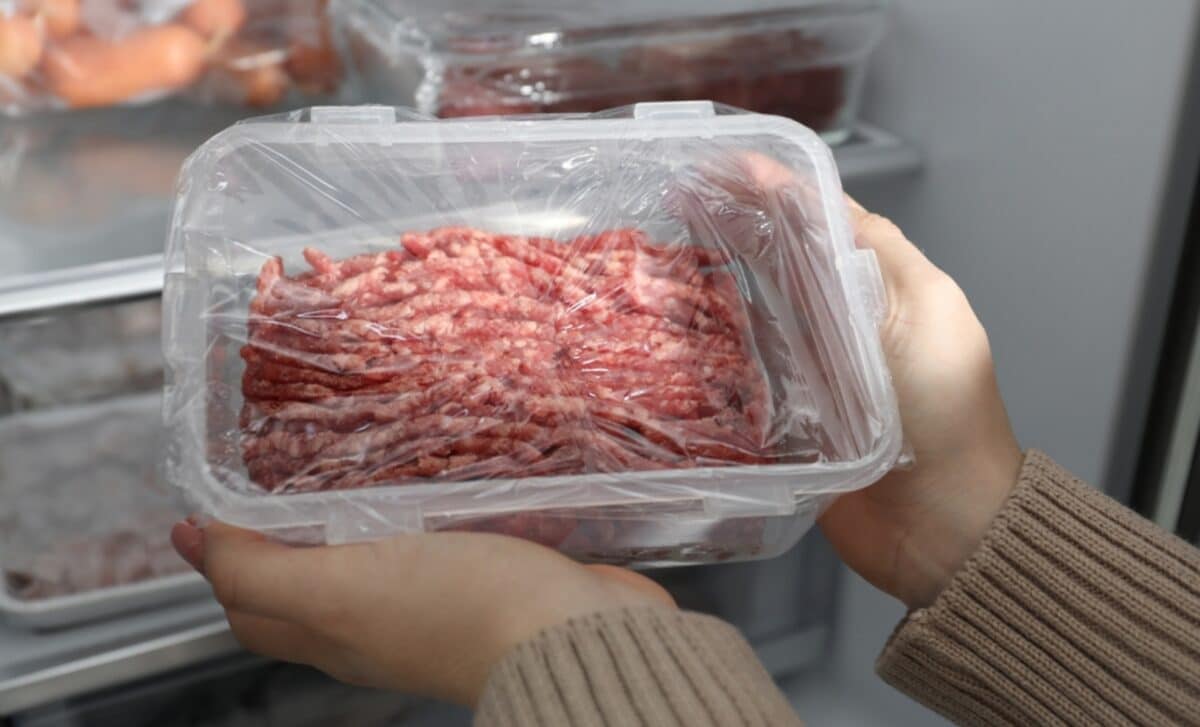
Food safety is always a top concern, but when contamination hits a familiar product, it really makes you stop and think. Recently, shoppers in Queensland have been hit with an urgent recall over minced meat products. The issue? Potential plastic contamination. So, what’s happening, and how should we handle it?
The Contamination Alert
Warwick Meats QLD, a trusted supplier of minced beef, has issued an urgent recall for its Premium 4 Star Mince Beef 500g. The recall affects products with the best-before date of December 13, 2025, and is being taken very seriously by both the company and food safety authorities, reports 7News. Apparently, some of the meat sold in independent retailers, including IGA stores, might contain plastic. Now, that’s not something you expect when you pick up a pack of minced beef for dinner.
The recall has sent ripples through the community, especially for those who rely on these retailers for their weekly grocery shopping. Warwick Meats has made it clear that the plastic could be harmful if consumed. The official advice? Don’t eat the product and return it to the store for a full refund. The company has also urged consumers to seek medical advice if they have any concerns about their health.
A Growing Issue
It’s easy to brush off a single recall as a minor inconvenience, but this is actually part of a worrying trend. Food contamination seems to be happening more often, and not just with meat products. We’ve seen everything from contaminated vegetables to mislabelled allergens, and these issues affect people in different ways. A simple mistake at a production plant can turn into a big headache for consumers, especially if they’re unaware of what they’re eating.
This particular recall highlights the need for heightened vigilance, both from food producers and from us, the consumers. Manufacturers have a responsibility to ensure their products are safe for consumption, and we should all be aware of the signs of potential contamination. The recall notice itself, for example, urged customers to look for the specific best-before date on the packaging—something simple, but often overlooked.
How to Stay Safe
The big takeaway from all this? Don’t ignore recall notices. If you’ve purchased any of the affected minced beef, check your fridge and follow the advice. Return the product for a refund and, if you’ve already consumed it and are feeling unwell, seek medical help immediately. It’s easy to assume that these things won’t happen to us, but the reality is that food contamination can happen to anyone at any time.
As food safety standards evolve and improve, incidents like this will hopefully become less frequent. But for now, staying informed and proactive is key. Let’s make sure we keep an eye on those food labels and stay up to date with any recalls, because sometimes, what seems like a simple meal could have a bigger impact than we realize.