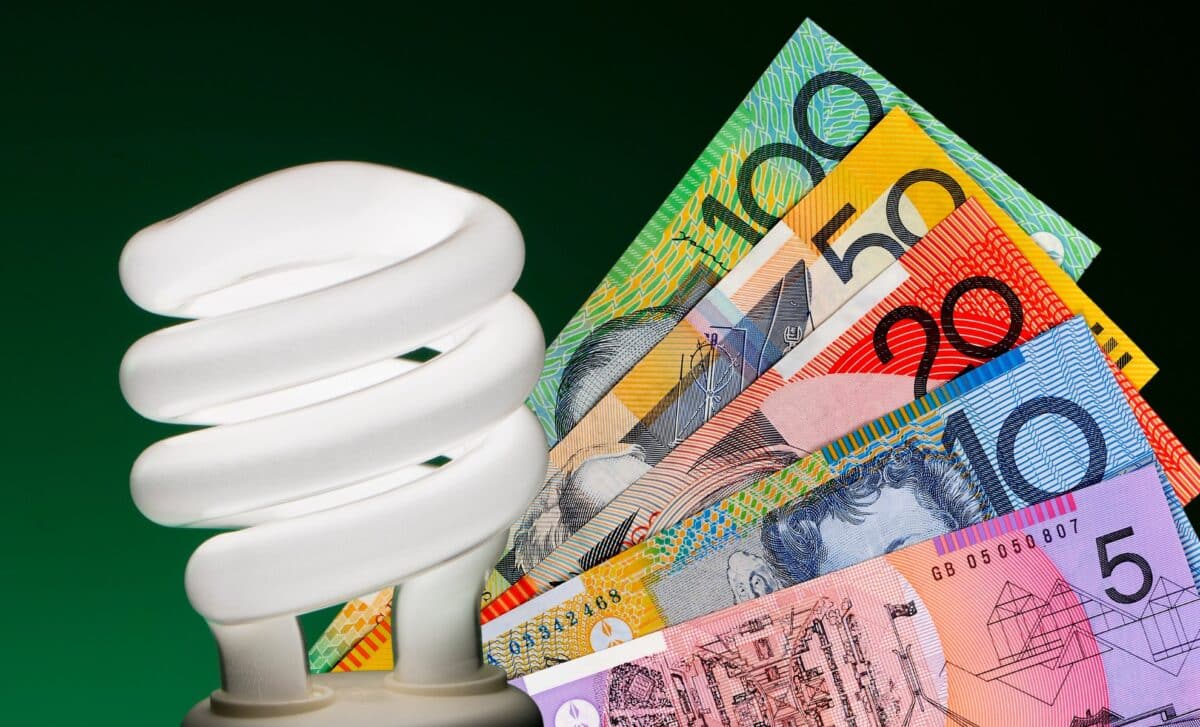
Ever wonder why your electricity bill seems to climb higher every year? Despite efforts to reduce energy consumption, many Australians still face sky-high bills. The truth is, it’s not just your habits or appliances; the real reason behind those increasing charges lies in a complex mix of market manipulation, inefficient infrastructure, and a lack of competition in the energy sector.
The Energy Cartel’s Grip on Prices
The first major issue is the stronghold of energy cartels that dominate the Australian electricity market. While deregulation was meant to create competition and lower prices, it hasn’t worked out that way. Instead, just a handful of major companies control the market, leaving consumers with few choices. These energy giants are often accused of price manipulation, where they set prices in a way that benefits them, often at the expense of the average household.
This concentration of power means that even though consumers may technically have the ability to choose a retailer, in reality, the lack of competition keeps prices artificially high, explains NEWS. Critics argue that this cartel-like structure enables these companies to charge higher rates for electricity, all while delivering profits that leave consumers with little relief.
Rising Electricity Costs and Increased Demand
On top of this, demand for electricity is rising steadily. Whether it’s the demand for more air-conditioning in the summer or the increasing number of homes using multiple high-energy devices, there’s more pressure on the grid. But while demand grows, the energy infrastructure hasn’t kept up, and many parts of the system are outdated and inefficient. The combination of high demand and an aging grid means that energy companies are forced to spend more on maintenance and upgrades, and, naturally, these costs get passed on to you in the form of higher bills.
In addition, natural disasters and extreme weather events, which are becoming more frequent, add strain to the grid, causing surges in electricity prices when supply is disrupted. As a result, consumers are often caught paying for the inefficiencies in the system.
Lifestyle Habits and Heating/Cooling Costs
Now, it’s not all about the big players. Your own habits have a significant impact too. Heating and cooling accounts for a large portion of electricity bills. Air conditioners and heaters are often energy-hungry, and using them during the hottest or coldest days can spike your bill. Many homes also lack sufficient insulation, making it harder to maintain comfortable temperatures without over-relying on these appliances.
Then there’s the simple fact that energy-intensive appliances like dryers, dishwashers, and ovens all contribute to your overall consumption. Without energy-efficient models or good usage habits, it’s easy to see why your bills soar.
What You Can Do to Lower Your Bill
So, what can you do to fight back against these rising costs? For starters, look into energy-efficient appliances. Many new models are designed to use less energy while delivering the same performance. Also, improving your home’s insulation can help reduce the need for heating and cooling, ultimately saving you money in the long run. Even small changes like switching to LED lighting or unplugging devices when not in use can make a noticeable difference.
Don’t forget to check if you’re eligible for any government rebates or programs that can help reduce your costs. Some states offer incentives for upgrading to more energy-efficient systems or installing solar panels. And, of course, consider shopping around for the best energy deal. Although the market is dominated by a few players, some retailers offer better rates than others, so it’s worth taking the time to compare options.
The Need for Change in the Energy Sector
In the bigger picture, change is needed at a policy level. The government needs to address the lack of competition and reform the energy market to ensure it works for consumers, not just for the companies at the top. Until then, the best thing you can do is to stay informed and take steps to manage your own energy consumption.
After all, understanding why your electricity bill is high is the first step in reducing it. Whether it’s due to cartel control, an outdated grid, or just heating your home in the winter, knowing what’s driving your costs is crucial. With the right knowledge and a little effort, you can start to take back control over your energy bills—and maybe even save a few dollars along the way.