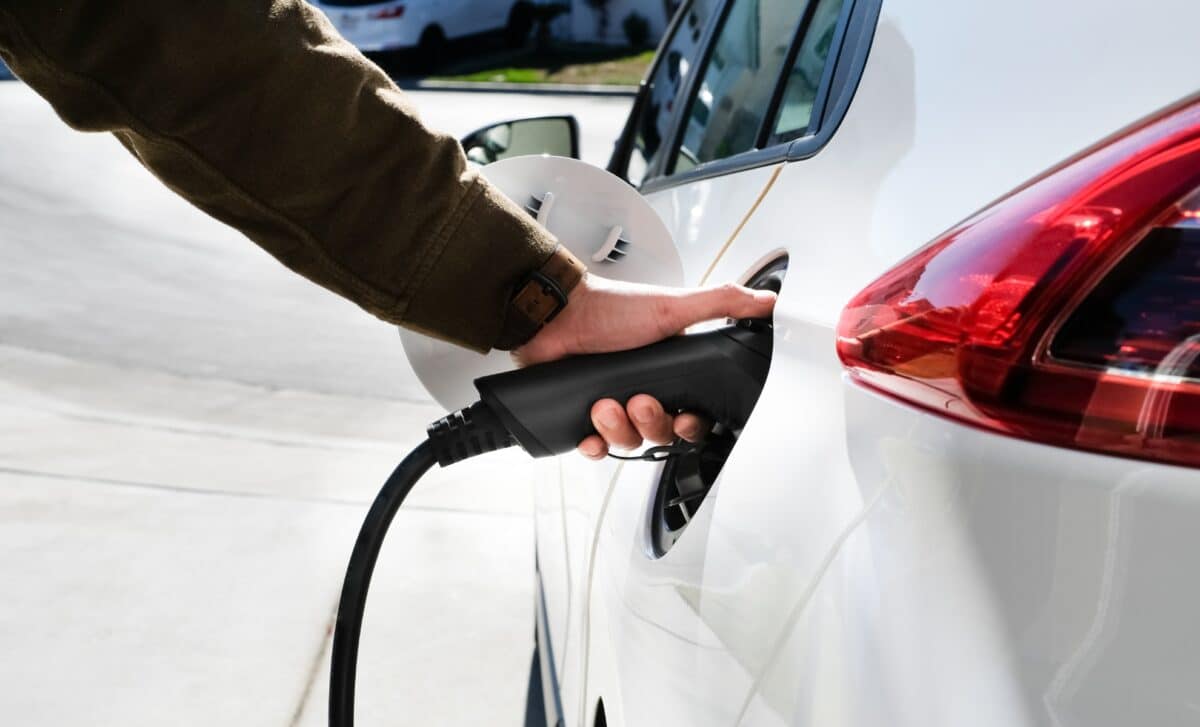
Electric vehicles (EVs) are known for their quiet, smooth rides, but a new law in Australia is about to change all that. From November 2025, new electric and hybrid cars will be required to make noise at low speeds. This is a move that aims to improve pedestrian safety, especially for those with visual impairments. So, what’s going on, and why is this becoming a law? Let’s take a closer look.
The Quiet Revolution and Its Hidden Danger
With the rise of electric vehicles, we’ve seen a quiet revolution on the roads. And while that’s great for reducing noise pollution, it’s also creating a major problem: safety. Many pedestrians, especially those with low or no vision, struggle to detect EVs approaching at slow speeds. That’s where the new law comes in.
Starting in 2025, all new electric and hybrid vehicles will be fitted with an Acoustic Vehicle Alerting System (AVAS) that emits a sound when the car is travelling at low speeds—roughly below 25 km/h, reports Yahoo News. Think of it as a way for these vehicles to “speak up” and make their presence known, without interrupting the peaceful drive of the future.
How Loud Is Too Loud?
This system will produce a sound level of around 56 decibels—about the volume of an electric toothbrush or a quiet conversation—up to a maximum of 75 decibels, which is about the level of a coffee grinder. The goal is to alert pedestrians of the vehicle’s presence, particularly those who rely on sound cues to navigate their environment.
Imagine walking along a quiet street, only to suddenly be confronted by a silent car zipping by—startling, right? Interestingly, this change is part of a global trend. Similar laws are already in place in the US, Europe, and Japan, aiming to make EVs safer for everyone. In fact, advocacy groups like Vision Australia have long argued that these quieter cars are a real danger to people with low or no vision.
Statistics from the group show that nearly 35% of their clients have reported being involved in accidents with electric or hybrid vehicles because they didn’t hear them coming. That’s a problem that needs fixing, and this law is a step in the right direction.
What Does This Mean for Drivers of Electric vehicles ?
Of course, the rule only applies to new vehicles sold after November 2025. So if you’re currently driving an EV, don’t worry about needing to retrofit your car just yet. But for those buying a new car, you’ll start hearing the faint hum of these machines as they roll by—at least when they’re moving at slower speeds. It’s a small change that could make a big difference.
While some drivers might initially find the idea of a noisy EV a bit odd, this is a practical step forward in ensuring that everyone—whether they have perfect sight or not—can safely share the road.