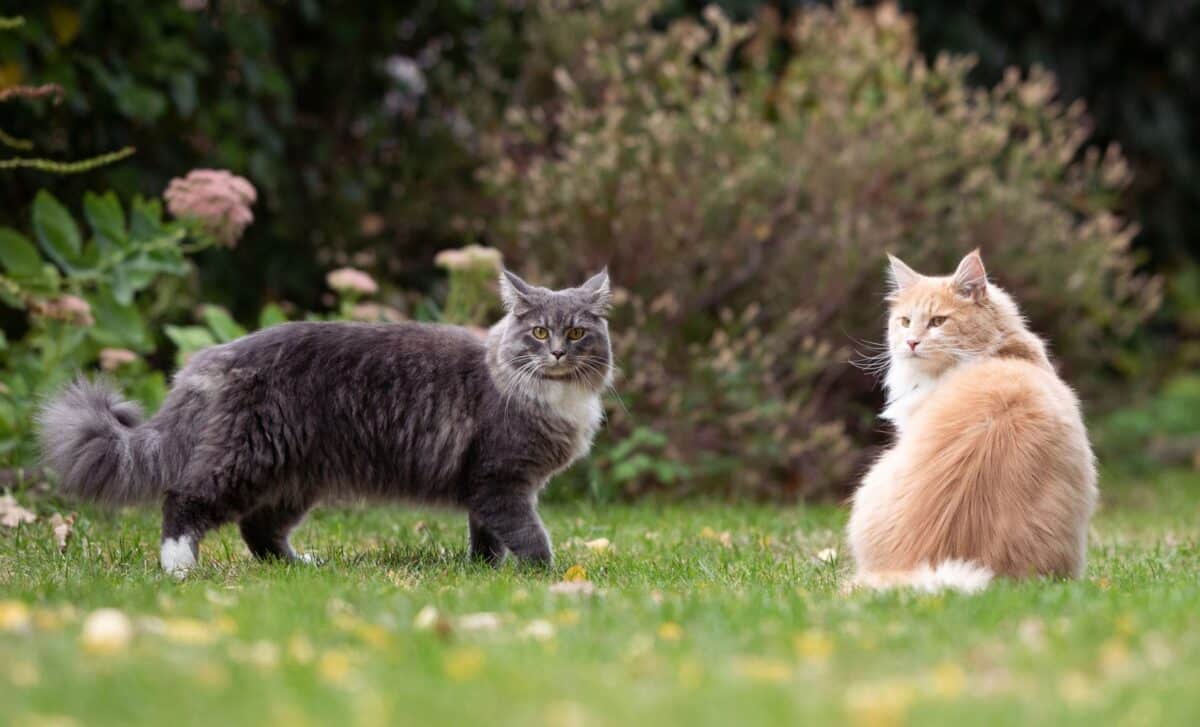
The City of Melville in Western Australia has introduced a new by-law targeting irresponsible pet ownership, with domestic cats now subject to impoundment and owners facing fines of $300 if their pets are found in designated prohibited areas. The move is part of a broader environmental and public welfare strategy aiming to protect native flora and fauna. The law also introduces a household cat limit and expands no-cat zones across multiple parks and reserves.
New Law Targets Roaming Cats in Protected Areas
Under the new regulations, 64 reserves and public parks—including Tompkins Park, Goolugatup Heathcote Reserve, Alfred Cove Nature Reserve, and Centennial Park—have been declared cat-free zones. Cats found roaming freely in these areas will be impounded, and their owners issued a fine of AUD $300. These animals are transported to the City of South Perth Animal Facility while new facilities are being constructed at the Melville Operations Centre.
In a statement to Yahoo News Australia, Mayor Katy Mair clarified the enforcement process:
“Registered domestic cats which are compliant with the Cat Act 2011 are returned to their owners at their own cost and fines are applicable for breach of the Cat Local Law. While stray or unregistered cats are re-homed, the same rules apply for impounded dogs.”
These new restrictions are part of a broader national conversation about the ecological cost of domestic and feral cats in Australia, where it’s estimated they kill over 1.5 billion native animals each year, including birds, reptiles, mammals, and frogs. According to the Australian Wildlife Conservancy, cats are now considered one of the most destructive introduced predators on the continent.
Two-Cat Household Limit Introduced With Exemptions
In addition to the roaming ban, the City of Melville has introduced a two-cat limit per household. This rule comes with several exemptions: residents may keep more than two cats if the animals were registered before the new law took effect or if they are involved in fostering or temporary care. Households wishing to keep more than two cats in the future must apply for approval and register all animals accordingly.
Mayor Mair highlighted the reasoning behind the initiative, noting the dual priority of protecting biodiversity and respecting pet ownership:
“The City of Melville recognises that cats are much-loved companions for many of our residents, enhancing their health and wellbeing,” she said.
“Our first Cat Local Law has been created to protect the natural environment while promoting responsible cat ownership.”
Mair also emphasized the consultative approach taken in drafting the law, which underwent two rounds of community consultation.
“I believe the law provides a good balance that takes into account our feline friends and their owners, alongside our responsibility as guardians to protect significant natural places and wildlife for future generations to enjoy,” she added.
Legal Challenges and Wider Legislative Context
The Melville legislation comes amid growing frustration among local councils in Western Australia, where more than 23 municipal governments have had similar proposals rejected by the state parliament over the past decade. For example, the City of Bayswater attempted in September to introduce a similar roaming ban, but the move was struck down on the grounds that it exceeded the state’s Cat Act 2011.
This legal resistance has not stopped other jurisdictions from trying to curb cat populations and their ecological effects. According to Yahoo News, many councils are exploring tighter controls as part of a national push to better manage the estimated $18 billion cost of cat-related environmental degradation and wildlife loss since 1960.
Meanwhile, in Victoria, the state government recently announced a doubling of pet registration fees from $4.51 to $9, a move expected to raise funds for animal welfare programs, including RSPCA support. Critics have condemned the increase as a “cash grab” during a period of rising household financial pressure. The added cost is likely to affect all 1.4 million pet-owning households in the state from July onward.