
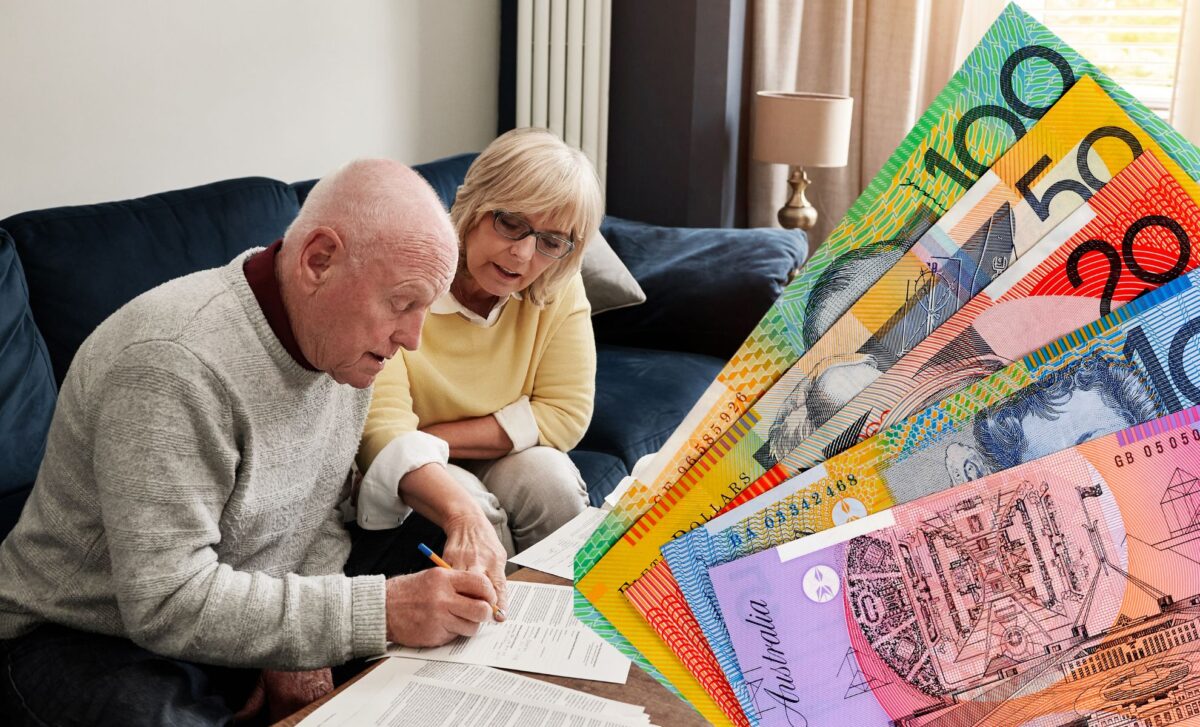
The Age Pension in Australia is a lifeline for many, helping older Australians make ends meet in their retirement. But when will it go up, and how does it all work? Let’s break down the basics, including when you might see an increase and how eligibility is assessed.
When Does the Age Pension Increase?
The Age Pension isn’t static—it changes regularly, giving pensioners the potential for more financial support over time. Typically, pension amounts increase twice a year, in March and September, which is good news for those who rely on it for their living expenses. These increases are based on economic factors like inflation, meaning pension payments are adjusted to keep up with the rising cost of living. However, keep in mind that while these increases happen regularly, they’re not always huge jumps—just enough to keep up with inflation.
Eligibility Changes and Income Thresholds
While the Age Pension amount itself is important, the eligibility thresholds for the pension are just as crucial. These thresholds are indexed three times a year—in March, July, and September. What does indexing mean? It’s essentially the process of adjusting the income and asset limits that determine if you qualify for the pension. So, when these thresholds go up, you may find that you can have more assets and income without losing your pension entitlement. This is particularly helpful for retirees who might have some extra savings or part-time income but still need the Age Pension to cover the rest.
How Deeming Affects Your Pension
Another aspect of the Age Pension that can change is the deeming rates, which are reviewed by the government every year. Deeming refers to how the government calculates the income you’re considered to have from your financial assets (like savings and investments), even if they’re not actually earning any interest. The government assumes a certain rate of return on these assets, and if your actual returns are lower, you may still be deemed to earn more. This can affect how much pension you get.
The Work Bonus: Earn More Without Losing Your Pension
One of the best things about the Age Pension is the Work Bonus. If you’re receiving the Age Pension and still want to work, you can earn up to $300 extra per fortnight without it impacting your pension payments. Even better, if you don’t use the full $300, the unused portion goes into your Work Bank, where it can build up to $11,800. This allows you to earn a bit more without losing your pension entitlement. New pensioners even start with $4,000 in their Work Bank, thanks to a government boost designed to encourage older Australians to stay active in the workforce if they wish.
How Much Is the Age Pension?
So, how much can you expect to receive on the Age Pension? Well, it depends on a few factors, like whether you’re single or part of a couple and whether you own your home. As of September 2025, the maximum amounts are: For a single person, it’s $1,178.70 per fortnight. For a couple (each person), it’s $888.50 per fortnight. For a couple (combined), it’s $1,777.00 per fortnight. If a couple is living apart due to ill health, each person can receive $1,178.70 per fortnight, noted Australian retirement trust.
These amounts also include the energy supplement, so your actual payments might vary depending on your situation. Navigating the Age Pension can be a little tricky, but it’s worth understanding how these changes impact you. From pension increases to income thresholds and the Work Bonus, there’s a lot to keep track of. Before making any decisions, it’s always a good idea to speak with Services Australia or a financial adviser to make sure you’re getting the most out of your pension.