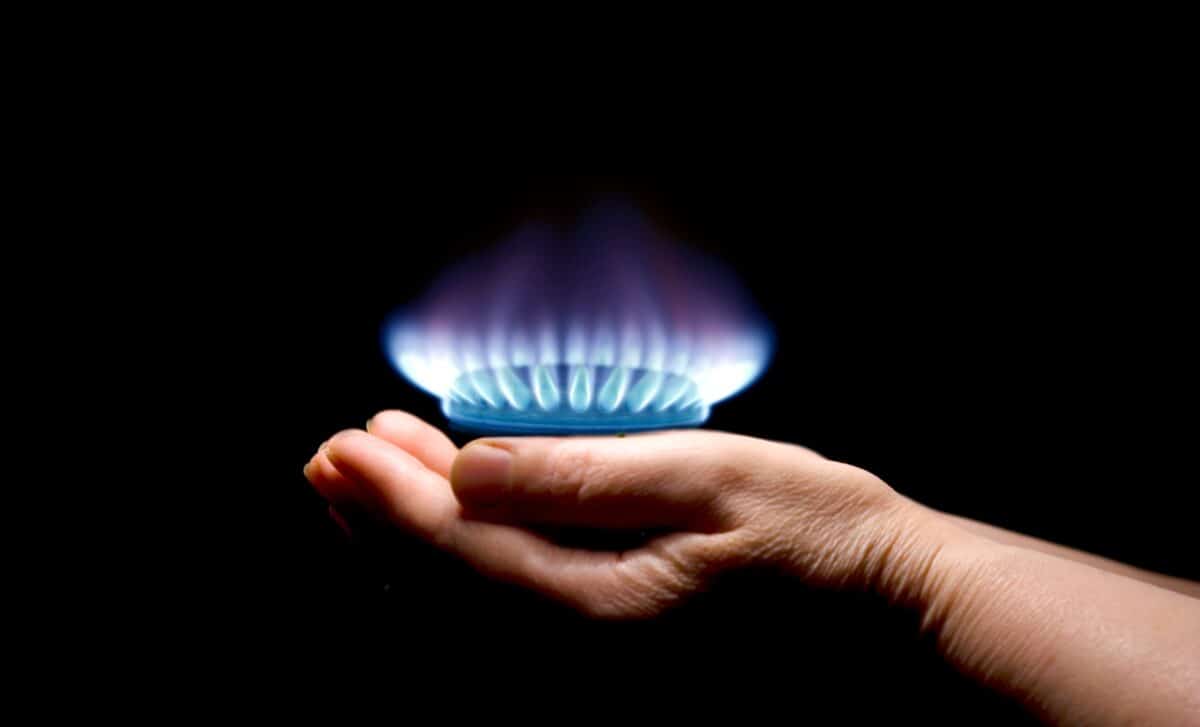
Australia’s southern states are staring down a potentially tough gas shortage. For the first time, gas producers in these areas aren’t expecting a surplus of gas in the first quarter of 2026—something that could disrupt the energy market and affect millions of people. The situation, which could cause big headaches for both households and industries, is a dire warning from the Australian Competition and Consumer Commission (ACCC).
A Tight Gas Supply Ahead
In its latest report, the ACCC pointed out that while gas supply in the eastern states is expected to improve due to a bit more uncontracted gas (gas not yet bought by a specific customer), the southern states are in for some serious challenges. Gas production is expected to be balanced, but it won’t be enough to fill up storage facilities as demand rises in the colder months.
For those who aren’t familiar, gas storage is vital because it helps ensure that there’s enough energy to meet higher demand during winter. Without sufficient gas, utilities could face serious difficulties keeping the lights on, especially during periods of high usage. That’s why the ACCC is raising red flags now, so people can prepare for what might be a rocky winter in 2026.
The Role of Queensland Gas
So, what can be done to avoid a shortage? Well, one solution may involve turning to gas producers in Queensland. The report highlighted that, although southern states are seeing tighter supply, gas from Queensland could be brought in to fill the gaps. But this isn’t a perfect solution—it could come with extra costs and logistical challenges, especially if southern states need to rely on Queensland gas in the critical first quarter of the year.
If things go as expected, the Iona gas facility in Victoria will play a crucial role in maintaining gas supply, since it’s a key storage hub. However, the ACCC warned that it may not be able to store enough gas, especially since it had to withdraw a substantial amount of gas in the summer of 2025 to meet demand. That means by 2026, the facility might need even more gas than usual to keep up with what’s required.
A Call for Action
The Victorian government, sensing the looming crisis, has already made moves to address the issue. They’ve called for the federal government to intervene, suggesting that they limit how much gas can be exported. The idea is to keep more gas in Australia to ensure there’s enough supply for local needs. If that doesn’t happen, the southern states may face sky-high gas prices and could even have to import gas, which would be a disaster for consumers.
The ACCC also mentioned that while Queensland has reduced its LNG exports, it will continue to closely monitor how domestic users are affected by high prices and whether more gas is offered to local buyers. It’s an ongoing issue, and the watchdog is making sure that the market stays in check.
What’s Next?
With gas supplies tight and an uncertain winter ahead, Australians are facing a situation where the future of domestic energy security is looking a bit fragile. If the ACCC’s concerns turn out to be accurate, we could be in for some very high gas prices and possibly gas shortages, which would affect not only everyday households but also businesses that rely on stable energy costs.
It’s a critical moment for the government and the energy sector to come together and address the looming challenges. How they handle it will shape the country’s energy future for years to come. In the meantime, Australians can only wait and watch to see how this situation unfolds—and whether any solutions come through in time.