
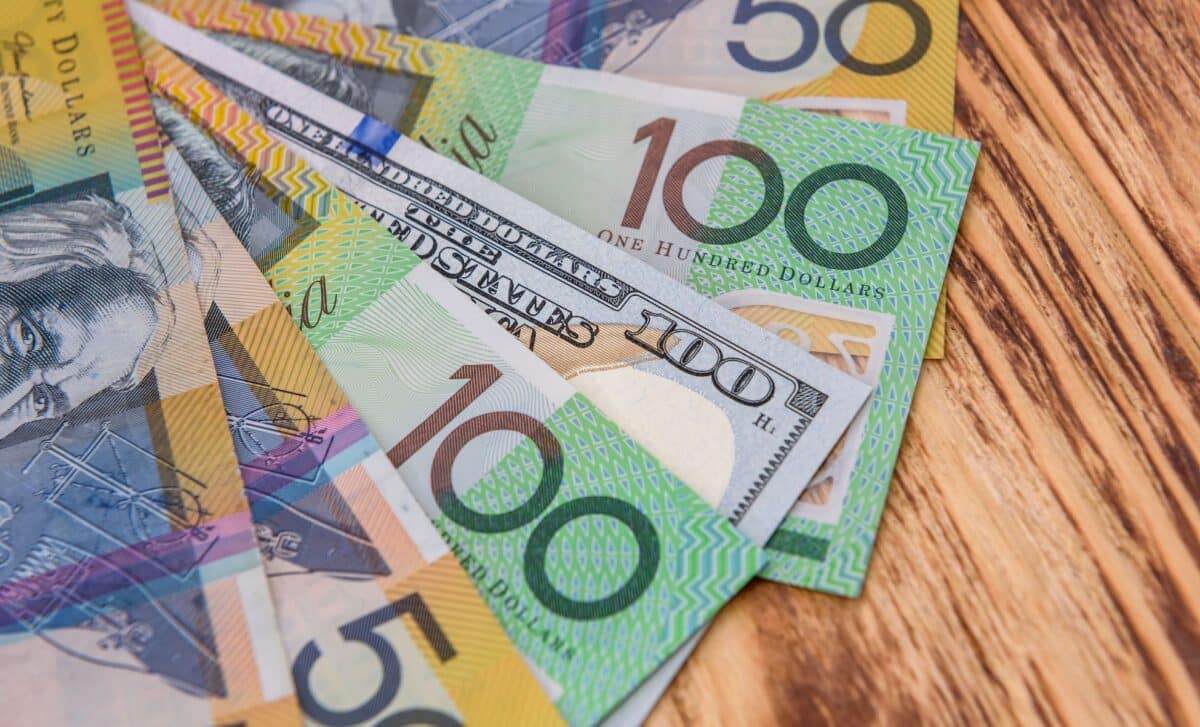
The Aussie dollar is having a moment, but is that a win for Australians? Right now, it’s riding high, recently hitting a 10-month peak against the US dollar. But while that sounds good on paper, experts warn there’s more to this story. It’s not all sunshine and rainbows – or, in this case, it’s not just the Australian dollar shining.
A “Goldilocks Scenario” for the Aussie Dollar
The Aussie dollar has been in a good place lately, soaring to its highest point in nearly a year against the US dollar, hitting 67 US cents. A key factor? What experts are calling a “Goldilocks scenario” for the Australian economy, where everything seems just right: solid iron ore prices, strong share markets in China, and an overall sense of stability. Chris Weston, head of research at foreign exchange trader Pepperstone, sums it up as the Australian dollar “looking quite good on a relative basis,” particularly when compared to the US dollar and the New Zealand dollar, reports SBS News.
The Real Reason Behind the Aussie Dollar’s Rise
Here’s the catch: This dollar rise isn’t really about the Aussie economy flexing. According to Brendan Rynne, chief economist at KPMG Australia, the surge has less to do with Australia’s economic strength and more to do with the weakening US dollar. The US dollar has been sliding for months, primarily because of the Federal Reserve’s policies and the overall US economic outlook. It’s not that the Australian economy is doing anything extraordinary — it’s more about the US dollar’s own struggles. And as the US dollar drops, the Aussie dollar looks good by comparison.
Impact on Everyday Australians: Travel and Spending
But let’s talk about you – the consumer. How does this all impact the average Aussie? Well, it’s a bit of a mixed bag. If you’re heading to the United States, congratulations! The Aussie dollar is stronger against the greenback than it was a year ago, so your US holiday could be a little less expensive. But if you’re planning a European getaway, you might want to brace for impact. The Aussie dollar has slipped against the euro and the pound, making travel to Europe pricier. And even buying things from the UK or Europe will cost more.
What’s Next for the Aussie Dollar?
So, what does this mean for the long-term outlook? While the Aussie dollar is doing relatively well, don’t expect it to skyrocket to the 70 US cent mark anytime soon, says Weston. But if the US economy worsens and share markets stay strong, there’s always a chance the dollar could rise further. For now, it’s a time to appreciate the good news, but don’t get too carried away. Ultimately, while the Australian dollar might be having a good run, it’s important to remember that currency markets are tricky beasts, and nothing stays the same forever. If you’re planning your finances or travel, a little caution might be in order.