
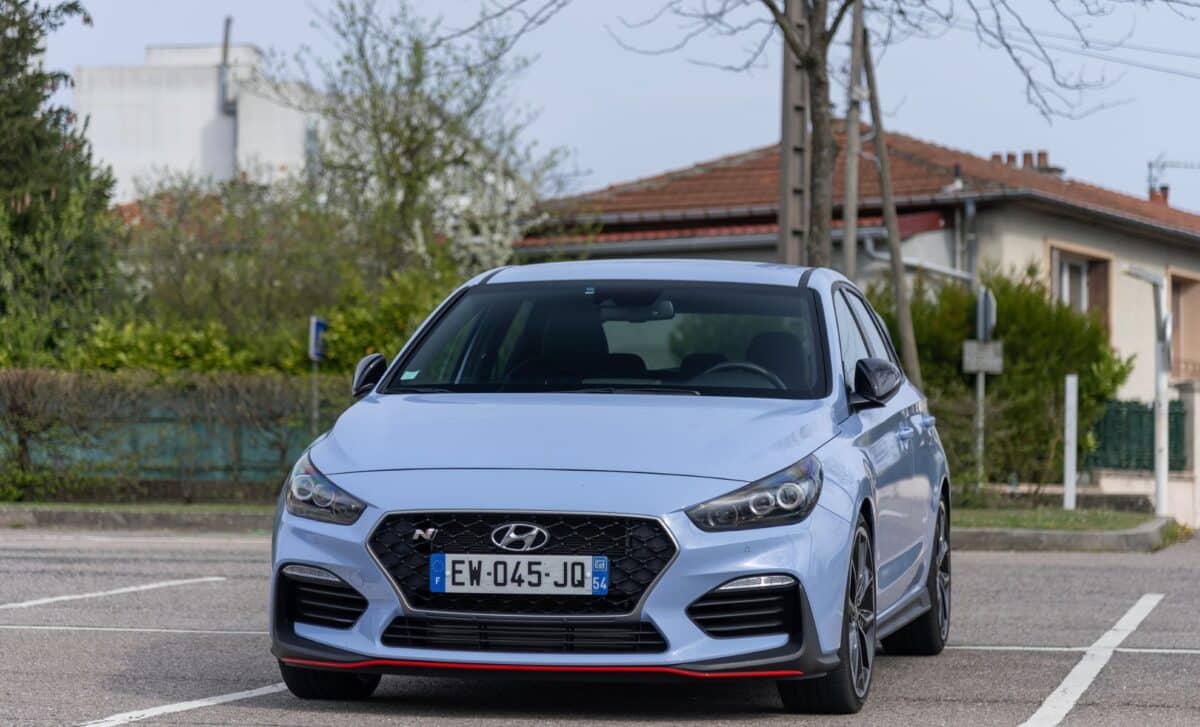
Hyundai has been forced to recall over 18,000 i30 vehicles in Australia after a manufacturing defect was discovered in the fuel pump impeller. The defect, affecting i30 PD models manufactured between 2020 and 2021, poses a serious safety risk that could lead to a sudden engine stall while driving.
What’s at Risk: Fuel Defect Sparks Safety Concerns
The issue, identified in the fuel pump impeller, could lead to deformation under certain environmental conditions, resulting in a disruption to the vehicle’s fuel supply. According to the recall notice, if this occurs, the engine may stall, leading to a sudden loss of power. This could have severe consequences, as a loss of motive power while driving increases the risk of accidents, potentially causing injury or death to vehicle occupants and other road users.
Hyundai has emphasised the severity of the problem, urging owners to take immediate action. The company is contacting all affected owners directly, advising them to schedule an appointment to have the faulty part inspected and replaced free of charge. Hyundai is also providing an online tool for owners to check if their vehicles are affected by entering their Vehicle Identification Number (VIN) on the official website.
Ongoing Issues with Hyundai Models Raise Further Questions
This latest recall is not the first time Hyundai has faced issues with vehicle safety in recent years. In January 2025, more than 4,700 Hyundai vehicles, including the Kona N and i30 Sedan N models manufactured between 2020 and 2023, were also recalled for a separate stalling issue, highlighting ongoing concerns with the brand’s fuel systems.
Additionally, in 2021, Hyundai issued a warning to owners of Tucson models, advising them to park their vehicles outside due to fears that a manufacturing error could cause engine fires, even when the cars were turned off.
These recurring safety issues are likely to raise questions among consumers and regulators about the overall quality control processes within Hyundai’s manufacturing operations. While the company has worked to address the concerns with affected vehicles, the scale and frequency of recalls have prompted calls for stricter oversight and transparency. For now, affected Hyundai owners are urged to check their vehicles for recalls and ensure that necessary inspections and repairs are completed to mitigate safety risks.