
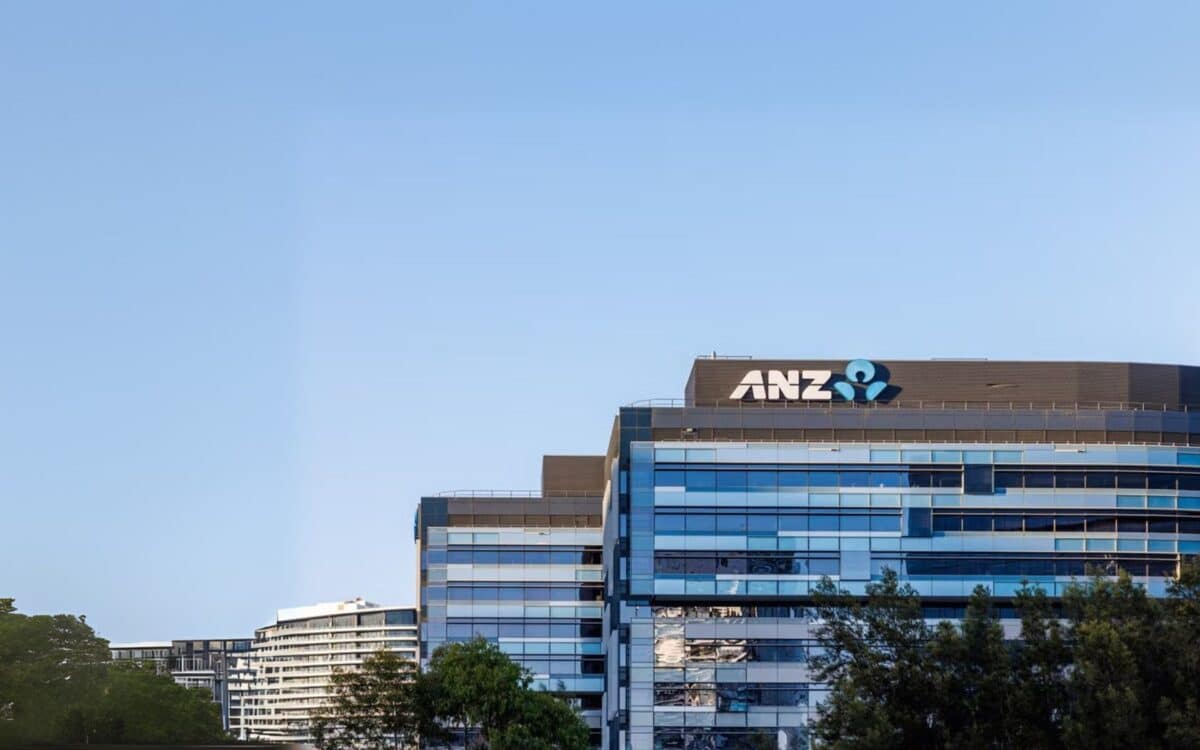
Australia’s fourth-largest bank, ANZ, has introduced new performance rules linking employee compensation to office attendance. The policy requires staff to be present in person for at least 50% of their scheduled work hours. This shift comes as part of a broader cultural and operational reset under chief executive Nuno Matos.
According to Sky News Australia, the measures are designed to standardize expectations across teams and align hybrid work habits with business objectives. While the details of the policy include specific attendance thresholds and their impact on bonuses, ANZ has emphasized that its flexible work framework remains in place for employees with formal exemptions.
Staff Bonuses and Salary Increases Tied to In-Office Presence
The revised policy outlines clear thresholds for office attendance and their direct consequences on performance evaluations and remuneration. According to internal communications, staff attendance between October 1 and July 31 has been used as the baseline for determining compliance.
Managers were provided with individual attendance records for each of their direct reports and instructed to take action where employees failed to meet expectations.
The framework is based on three performance tiers:
- Employees who worked less than 20% of their required hours on-site will not be eligible for a bonus or salary increase unless they have a formal exemption.
- Those with 21% to 40% attendance may face a 50% reduction in their bonus, depending on their role and overall behavior.
- Staff who were present between 41% and 49% will not face formal consequences, though managers have been instructed to raise the matter directly.
The approach is not only punitive but also proactive. An internal email to managers emphasized their role in reinforcing these expectations:
As a people leader, you play a critical role, not just at performance time, but throughout the year,” the message read.
This includes reinforcing expectations, role-modelling hybrid behaviours, and addressing low attendance early.
Management Role and Enforcement Through Data
Managers received automated reports listing the attendance percentage for each of their team members. These records covered a 10-month period from October 1 to July 31 and served as the basis for determining compliance with hybrid work policies.
This level of data-driven oversight suggests a tightened control mechanism within ANZ’s flexible work framework. It positions in-person presence not just as a recommendation but as a measurable performance metric tied directly to compensation and career progression.
A spokesperson for ANZ confirmed the policy in a public statement:
Our hybrid working expectation is that our people spend at least 50 per cent of their scheduled work time in an ANZ workplace, with the flexibility to work the other half of their time remotely – whether that’s from home or elsewhere.
Our hybrid working expectation has been made clear to our employees, including potential impact on future remuneration if employees don’t have an appropriate exception.
Incident of Automated Email Adds to Scrutiny
This policy shift comes just weeks after ANZ mistakenly sent emails to over 300 staff members in its retail division, prompting concerns over job security. The email included instructions on how to return their company laptops — a step typically associated with offboarding — before ANZ clarified that those employees were not being laid off.
The incident drew attention to internal communication flaws at a sensitive time when employee trust and morale are central to ongoing workplace changes.
Aligning Hybrid Expectations With Organizational Culture
ANZ’s approach reflects a broader trend among large institutions to recalibrate post-pandemic work arrangements. While many companies embraced flexibility during and after COVID-19 lockdowns, some — including financial sector giants — are now redefining what hybrid work entails.
By explicitly linking physical presence to financial reward, ANZ is signalling that flexibility has limits when weighed against collaboration, culture, and perceived productivity.