
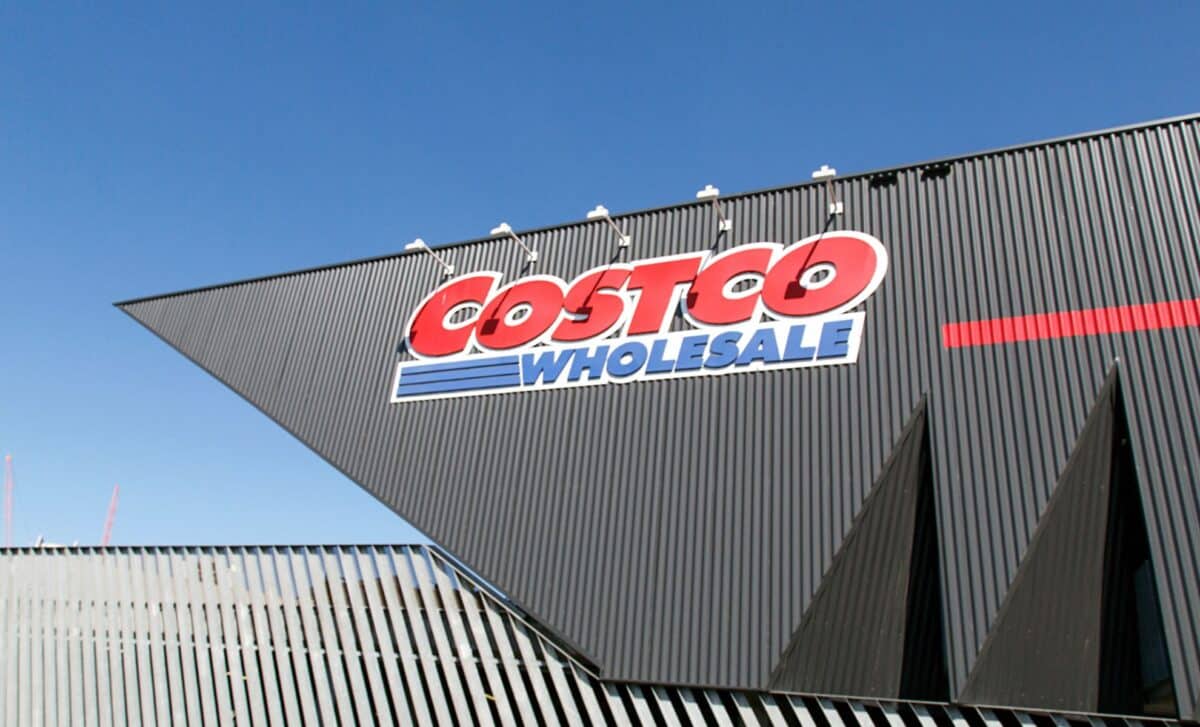
Costco has opened a new warehouse in Queensland, marking another step in the company’s strategic expansion across Australia. According to a report from Yahoo Finance, this move places Costco in direct proximity to Australia’s dominant grocery retailers, Coles and Woolworths, in a sector valued at over $120 billion annually.
A Measured Growth Strategy Anchored in Membership and Value
Costco’s presence in Australia continues to grow steadily, following a model distinct from traditional supermarkets. The company operates on a membership-based model, charging $65 annually for standard access, and differentiates itself through bulk sales and a wide product range that includes specialty services, fuel stations, and private-label goods.
Costco Australia country manager Chris Tingman emphasized the importance of value in the company’s offering:
“We attribute our success to our unique offering within the market – our ability to provide access to a wide range of exciting, quality items and services at incredible value resonates with our membership base.”
Costco’s approach does not seek to replicate local competitors. Rather, it leverages a format that’s less reliant on high-frequency visits and instead appeals to budget-conscious shoppers looking for bulk savings and broader product categories.
Warehouse Locations Chosen for Strategic Fit
Costco’s new site in Ipswich, Queensland, joins 15 other warehouses in the country. Each location is carefully selected based on geographic and demographic criteria.
“When deciding on new warehouse locations, the focus is to find lots that are close to our members, and are large enough to house our comprehensive range of goods, specialty services, fuel stations, and car parks,” Tingman added.
Unlike in the US, where Costco has thousands of stores, Australia’s urban population distribution makes location planning more critical. Urban centers such as Melbourne, Sydney, and Brisbane remain key markets due to population density and logistical access.
Coles and Woolworths: Not the Immediate Concern
Despite Costco’s ambitions, industry observers suggest that its expansion does not yet threaten the dominance of Coles and Woolworths. According to consumer expert Nitika Garg from the University of New South Wales, the Costco model represents an alternative rather than a replacement.
“I think that’s one reason why they have been so successful in Australia as well, because their model is not in direct competition with Woolies and Coles,” she noted.
While Costco’s entry may shift shopping habits slightly over time, the current retail dynamics are more heavily influenced by Aldi, a German discount supermarket, and IGA, which operates smaller-format stores in suburban areas.
“Right now, I don’t think Coles and Woolies would be worried about them. They’d be more concerned with Aldi and IGA to a lesser extent,” Garg added.
Urban Density and Membership Models Shape Strategy
Australia’s unique population distribution also influences Costco’s expansion plans. The model depends on urban density, accessibility, and strong member engagement, rather than the high-frequency, convenience-based purchases that underpin Woolworths and Coles.
“I think proximity plays a huge role, which for the concentrated population we have in the urban centres in Australia is unlike the US, that’s where they are different,” Garg explained.
This demographic distinction underscores why Costco’s footprint remains smaller in Australia. The focus is on scale per location rather than number of outlets, ensuring each site has the infrastructure and customer base needed to support the business model.
A Retail Model Gaining Ground
Costco’s continued investment in Australia suggests confidence in the long-term viability of its unique offering. Tingman reaffirmed the company’s outlook:
“We are pleased with Costco’s steady growth within Australia and plan to continue reviewing new opportunities to open more warehouses in the future.”
For now, Costco’s success hinges on its ability to grow its member base, manage logistics in densely populated areas, and maintain a consistent message of value and scale. As the grocery landscape evolves, its differentiated model ensures it can coexist—and possibly thrive—alongside Australia’s largest supermarket players.