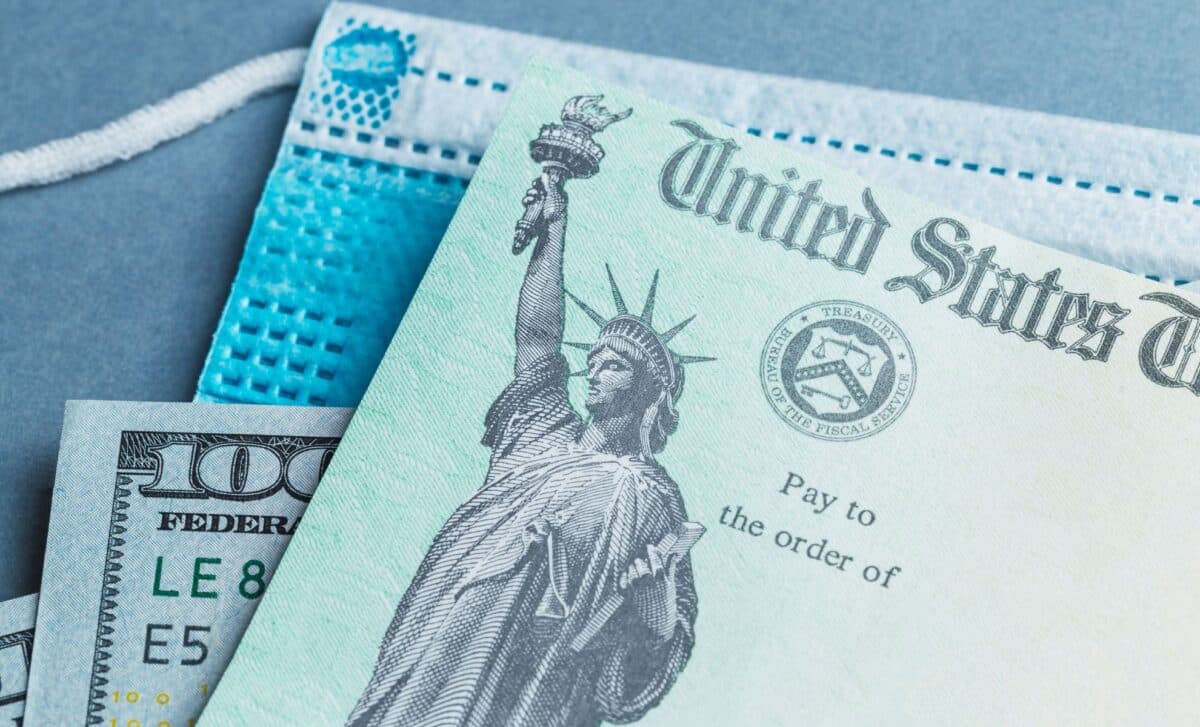
A $1,702 check is set to go out in October—but it’s not a federal stimulus payment, and it won’t reach every American. Despite viral claims online, this payment is actually part of a long-standing state-level program exclusive to Alaska.
Thousands of social media posts have misrepresented the payment as a new nationwide benefit. In reality, it’s the latest annual disbursement of the Alaska Permanent Fund Dividend (PFD), a share of the state’s oil revenues distributed only to qualified residents.
What the $1,702 Payment Really Is
The Alaska Permanent Fund Dividend is not new, nor is it part of any recent federal relief effort. First established in 1982, the PFD distributes a portion of the state’s oil and mineral income to eligible residents. In 2024, the state government approved a payout of $1,702 per person, set to be issued in October 2025, according to the Alaska Department of Revenue.
The confusion began when the approved amount was widely shared online without context. The use of the term “stimulus” added to the mix-up, likely echoing the pandemic-era federal relief checks. But while stimulus checks were temporary and national, the PFD is a permanent state program with strict eligibility rules.
These rules require applicants to have lived in Alaska for the entire calendar year before they apply, not to have been absent from the state for more than 180 days (with some exceptions), and to maintain an intent to remain in Alaska. Disqualifying factors include certain criminal convictions or incorrect application details.
Disqualifiers, Absences, and Other Reasons Your Check Won’t Come
While the Alaska Permanent Fund Dividend offers a yearly payment to eligible residents, the list of reasons for disqualification is extensive—and often misunderstood. According to the Alaska Department of Revenue, many individuals expecting the $1,702 payout will not receive it due to technical ineligibility, incomplete applications, or disqualifying activities.
One of the most common reasons for disqualification is excessive time spent outside of Alaska during the qualifying year. Residents who were absent for more than 180 days in 2023—without a legally accepted reason—are automatically denied. Even for allowable absences, such as military deployment or education, applicants must show intent to return and provide documentation. Frequent travel, such as for business or seasonal work, must be reported in detail. Unreported absences exceeding 90 days can be flagged as fraud and lead to denial.
Criminal history is another disqualifier. Anyone incarcerated for a felony, or for certain misdemeanors with prior convictions, during the qualifying year is not eligible for a dividend. According to state guidelines, convictions and incarceration records are cross-checked against applications to prevent ineligible individuals from collecting the funds.
Late filings also lead to automatic rejection. The application window runs from January 1 to March 31 each year, and late submissions—except in rare, documented cases like active-duty military deployment—are not accepted. Each applicant must file individually, including minors, who must have a qualified sponsor. If the sponsor is not eligible, the child is disqualified as well.
Other common pitfalls include incorrect banking information, missing documentation, outdated addresses, or Social Security mismatches. These technical errors can delay payments or result in garnishments and withheld funds. Dividends will not be forwarded by mail if an applicant’s address is outdated or flagged as undeliverable by the U.S. Postal Service.
In addition, non-residents, recent arrivals, and individuals who intend to leave the state are categorically excluded. Simply working in Alaska or owning property there does not qualify someone for a dividend. Proof of long-term residency, including physical presence and intent to remain, is required and may be reviewed at any time.