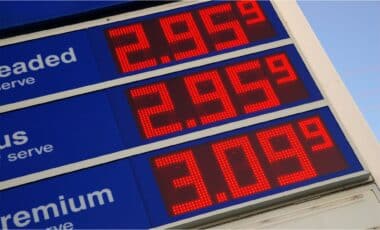

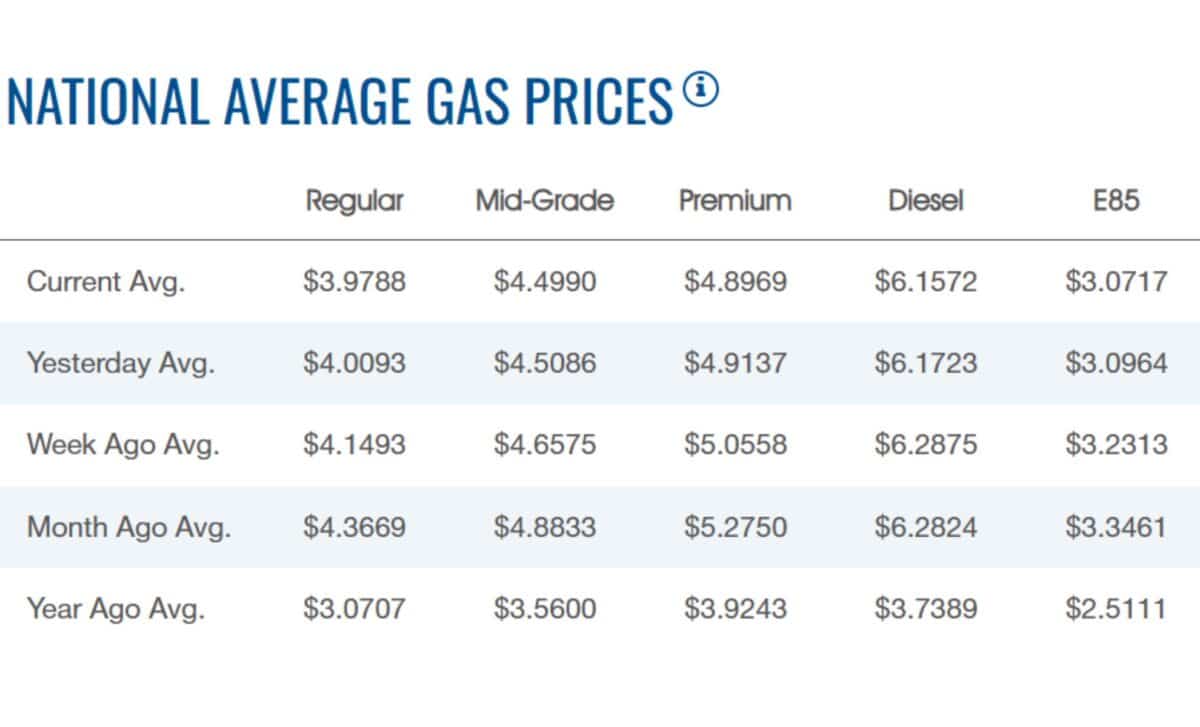
The nationwide average for regular gasoline reached $3.97 on November 10, down from $4.14 on Election Day. According to AAA data cited by NBC News, this marks the first time prices have fallen below $4 since July 20, offering some relief to drivers after months of rising energy costs.
The decline follows a turbulent period in oil markets, shaped by the conflict with Iran, political developments in Washington and ongoing attacks on energy infrastructure linked to the Russia-Ukraine war.
Despite the recent decrease, gasoline remains more than 30% higher than when the Iran war began on February 28 and approximately 40% above its level at the beginning of the year.
Oil Prices Retreat As Washington Signals a Possible Shift on Iran
Global crude oil prices recorded steep losses after Trump repeatedly indicated that he did not intend to launch another attack against Iran. Oil futures fell 13% last week, marking the largest weekly percentage decline for Brent crude since April 2020, when pandemic restrictions caused a collapse in global energy demand.
Prices dropped another 5% on Monday, reaching their lowest level since August 31. On Tuesday, Brent crude briefly traded below $90 per barrel. The market reaction also followed the US midterm elections, which gave Democrats control of both chambers of Congress.
According to commodities strategists at ING, the election results could increase congressional scrutiny of the Iran war and complicate efforts to secure additional funding.
Vice President JD Vance also acknowledged the political consequences of the conflict. In a social media post following the election results, he attributed the Republican defeat to the war.
Trump reinforced his position on Monday, telling reporters at the White House that military escalation did not appear necessary while describing positive momentum in negotiations.
Yet the administration has not ruled out further action. NBC News reported that Trump received a briefing on Friday concerning a possible new military campaign against Iran, although officials said no decision had been made.
Falling Diesel Costs Offer Relief, but Energy Markets Remain Uncertain
The decline in crude oil prices has also reached diesel markets, where elevated costs have placed pressure on transportation and consumer goods. Average diesel prices fell from $6.28 per gallon on Election Day to $6.15, although they remain more than 70% above their level at the beginning of the year.
Diesel is widely used to move goods by truck, train and ship, making its price particularly relevant to grocery and retail costs. Energy markets also remain affected by the Russia-Ukraine conflict. Ukrainian President Volodymyr Zelenskyy has pledged to continue attacks on Russian energy facilities in response to strikes against Ukraine.
Meanwhile, the United States is hosting trilateral negotiations with Russia and Ukraine in Abu Dhabi, the first such talks since February. According to Citigroup commodities analysts cited by NBC News, the period before the new Democratic Congress takes office on January 3 could bring either diplomatic progress or renewed military escalation.
Oil markets also face the challenge of replenishing reserves depleted during efforts to control prices. The US Strategic Petroleum Reserve currently holds its lowest crude oil volume since 1982.