
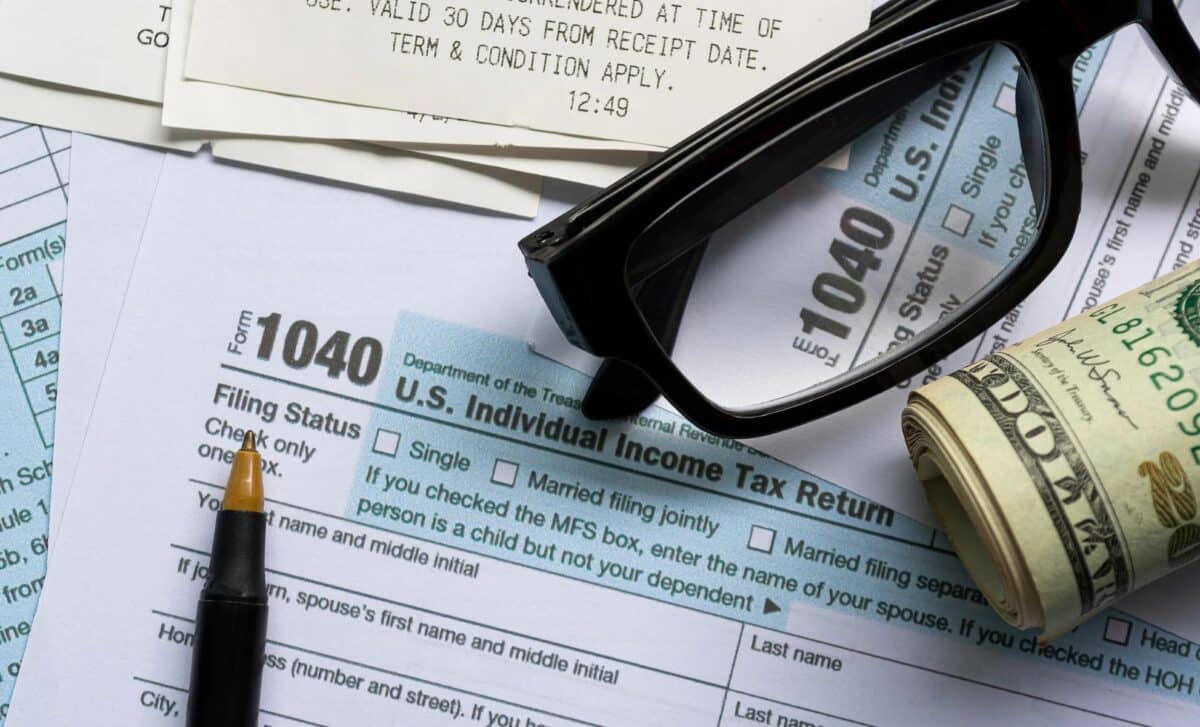
The IRS has announced the 2027 federal income tax brackets, with higher income thresholds and larger standard deductions for Americans filing their 2027 taxes in 2028. The changes apply to seven federal tax rates, ranging from 10% to 37%.
2027 Tax Brackets For Single Filers
For single taxpayers, the highest 37% rate will apply to taxable income of $661,375 or more.
The full 2027 brackets are:
| Taxable income | Federal tax rate |
|---|---|
| $0 to $12,800 | 10% |
| $12,801 to $52,025 | $1,280 plus 12% of the amount over $12,800 |
| $52,026 to $109,125 | $5,987 plus 22% of the amount over $52,025 |
| $109,126 to $208,325 | $18,549 plus 24% of the amount over $109,125 |
| $208,326 to $264,550 | $42,357 plus 32% of the amount over $208,325 |
| $264,551 to $661,375 | $60,349 plus 35% of the amount over $264,550 |
| $661,376 or more | $199,237.75 plus 37% of the amount over $661,375 |
The tax rates apply to different portions of taxable income rather than applying one rate to a taxpayer’s entire earnings.
Married Couples Filing Jointly Face Higher Thresholds
Married couples filing jointly will have higher income thresholds before moving into each successive tax bracket. The 37% rate will apply from $793,650 of taxable income.
The 2027 brackets are:
| Taxable income | Federal tax rate |
|---|---|
| $0 to $25,600 | 10% |
| $25,601 to $104,050 | $2,560 plus 12% of the amount over $25,600 |
| $104,051 to $218,250 | $11,974 plus 22% of the amount over $104,050 |
| $218,251 to $416,650 | $37,098 plus 24% of the amount over $218,250 |
| $416,651 to $529,100 | $84,714 plus 32% of the amount over $416,650 |
| $529,101 to $793,650 | $120,698 plus 35% of the amount over $529,100 |
| $793,651 or more | $213,290.50 plus 37% of the amount over $793,650 |
These figures apply to taxable income, not necessarily the total amount a household earns.
Standard Deduction Also Increases
The IRS has also raised the standard deduction for 2027. For married couples filing jointly, it will rise to $33,200, compared with $32,200 in 2026.
For single taxpayers, the standard deduction will increase to $16,600, up from $16,100. Taxpayers generally subtract the standard deduction or their eligible itemized deductions from adjusted gross income when calculating taxable income.
How Federal Tax Brackets Work
The US federal income tax system uses a progressive structure. That means different portions of taxable income are taxed at different rates.
For example, a single taxpayer with taxable income above the first threshold does not pay 12% on every dollar. The first portion is taxed at 10%, while the next portion is taxed at 12%, followed by higher rates as taxable income moves into subsequent brackets.
The highest marginal rate of 37% applies only to income above the relevant threshold.
IRS Adjusts Brackets Each Year
The IRS adjusts federal income tax brackets annually based on inflation. For 2027, the higher thresholds come as Americans continue to face higher household costs.
Consumer prices were 3.7% higher in September 2026 than a year earlier, according to the Bureau of Labor Statistics, compared with a 3.4% annual increase in August.
The IRS has also announced changes to other tax provisions for 2027, including the long-term capital gains brackets, estate and gift tax exemption and earned income tax credit eligibility.
Your Tax Bracket Depends On Filing Status
A taxpayer’s federal brackets depend on their filing status. The main categories are single, married filing jointly, married filing separately, head of household and qualifying surviving spouse.
Taxpayers can find their taxable income on line 15 of Form 1040. The 2027 figures will apply to income earned during the 2027 tax year, with federal tax returns generally filed in 2028.