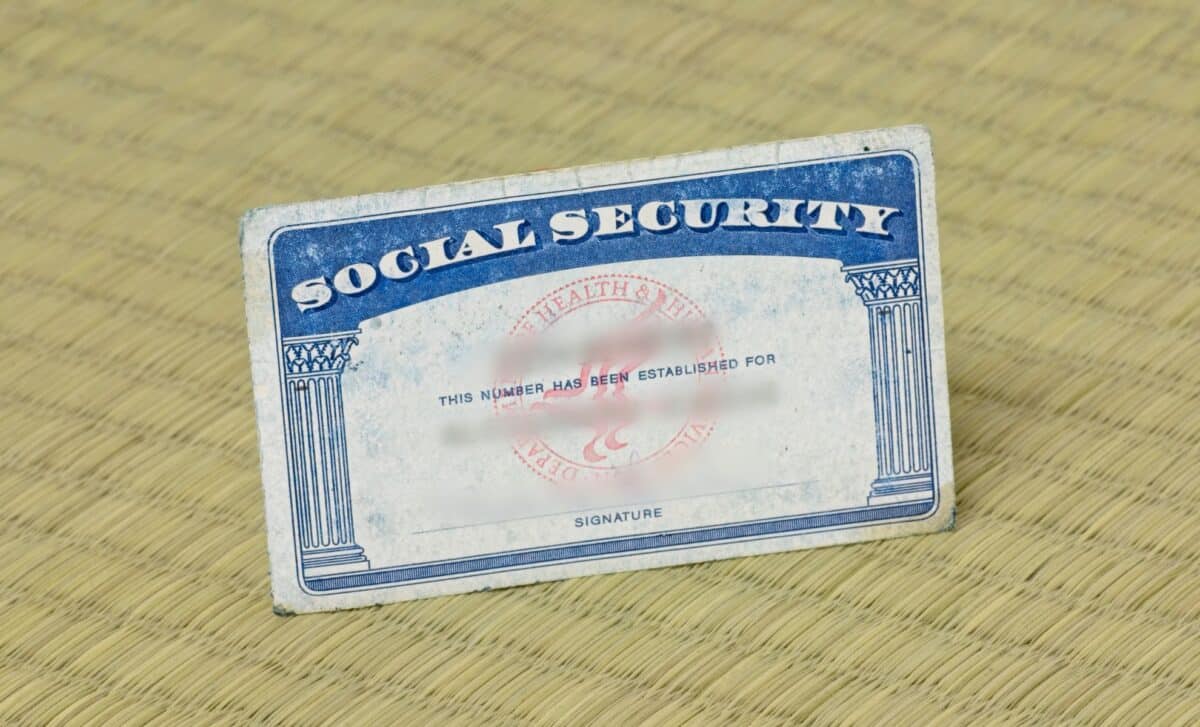
The updates affect nearly 15 percent of active Social Security numbers and involve information used by federal and state agencies to verify identities and administer public benefits. While the changes are intended to improve the accuracy of government records, they will not alter monthly payments for people receiving Social Security benefits.
Social Security Updates Millions of Death and Citizenship Records
According to the Social Security Administration’s October 20 announcement, the agency has added 17 million dates of death to records that previously lacked that information. The corrections were made using a combination of internal agency systems and data from the Department of State.
The agency also updated approximately 25 million records that were missing citizenship information. Those changes relied on data provided through the Department of Homeland Security’s Systematic Alien Verification for Entitlements service, known as SAVE.
Another 8.5 million records containing inaccurate citizenship information are still being corrected. The agency has also introduced stronger internal controls designed to prevent errors associated with manual data entry.
The cleanup covers a database containing nearly 390 million records, including information associated with approximately 330 million U.S. citizens. Since the beginning of the Trump administration, the agency says it has corrected nearly 15 percent of active Social Security numbers.
“The Social Security Number database is our country’s books and records,” Commissioner Frank J. Bisignano said in the agency’s statement. He added that accurate records help prevent fraud across federal programs and support the proper administration of benefits.
Social Security numbers serve purposes beyond retirement and disability payments. Government agencies also rely on these records to verify identities and determine whether payments are being issued appropriately.
What the Database Cleanup Means for Benefits and Fraud Prevention
According to USA TODAY, the database cleanup does not change monthly benefits or the regular payment process for Social Security recipients. The agency also continues its longstanding practice of not reassigning Social Security numbers after their holders die.
The corrections come as improper payments remain a concern for federal benefit programs. A 2024 report from the Social Security Administration’s Office of Inspector General examined approximately $8.6 trillion in benefits distributed between fiscal years 2015 and 2022.
The report identified approximately $71.8 billion in improper payments, representing 0.84 percent of the total. Most were overpayments, although improper payments can also include amounts that beneficiaries should have received but did not. These errors do not necessarily involve fraud. They can result from beneficiaries failing to report required information or from delays in updating agency records.
According to Newsweek, financial literacy instructor Alex Beene cautioned that inaccurate records should not be treated as evidence of widespread fraudulent payments. He said there was no evidence that fraud occurred on a scale comparable to the number of records requiring correction.
A separate inspector general audit released in September estimated that approximately $1 billion had been improperly paid to 333,800 Supplemental Security Income recipients because earnings information had not been properly reviewed or recorded.
The Social Security Administration is continuing work on the remaining 8.5 million citizenship records. For current beneficiaries, the announced changes concern the accuracy of the government’s underlying records rather than adjustments to their monthly checks.