
Around 150,000 US homeowners with adjustable-rate mortgages could see their monthly payments change as their interest rates reset, with some facing increases of hundreds of dollars or more than $1,000.
150,000 Borrowers Face Rate Adjustments
According to data from ICE Mortgage Technology, around 150,000 borrowers with adjustable-rate mortgages, known as ARMs, are due to have their rates adjusted for the first time this year.
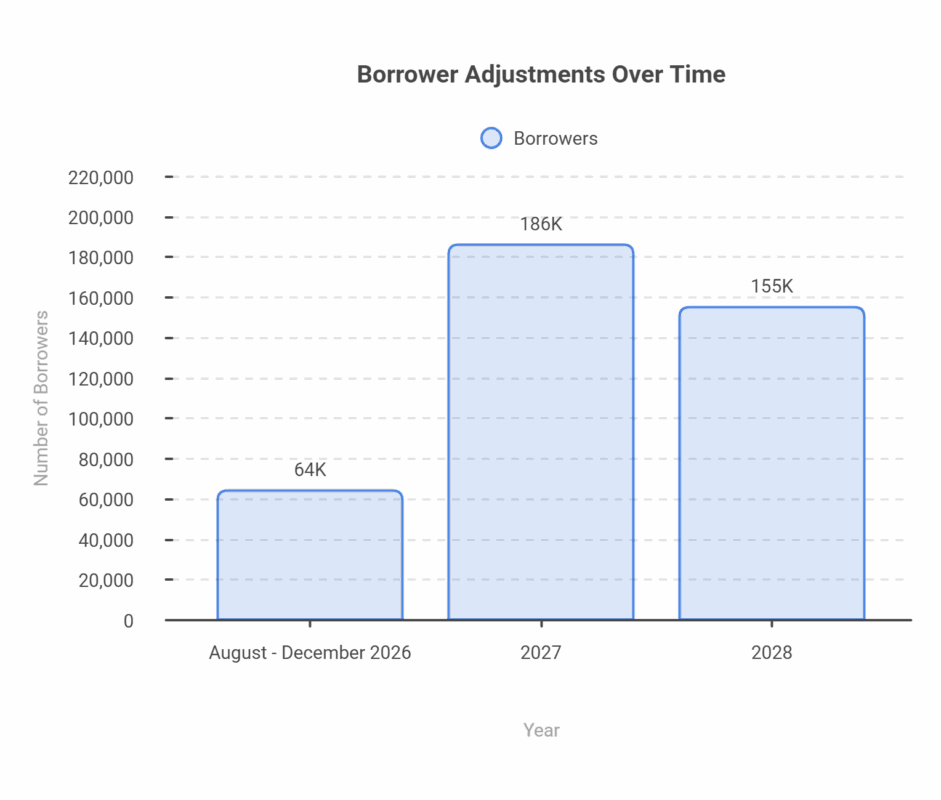
A smaller group of around 64,000 borrowers is scheduled for an adjustment between August and December 2026. Another 186,000 borrowers are expected to face adjustments in 2027, followed by around 155,000 in 2028.
The change will not result in the same increase for every homeowner. Some borrowers could see their monthly payments fall, depending on how their loan rate resets.
ARM Payments Can Change After the Introductory Period
An ARM differs from a fixed-rate mortgage because its interest rate can change during the life of the loan. These mortgages can initially attract borrowers with a lower rate than a fixed-rate loan.
After the introductory period ends, the interest rate can reset at intervals specified in the loan agreement. Depending on market rates and the terms of the mortgage, that can result in higher or lower monthly payments.
Laurie Goodman, founder of the Housing Finance Policy Center at the Urban Institute, said borrowers had accepted the possibility of higher rates in exchange for the lower initial rate.
Millions Of Mortgages Remain Fixed For Now
There are around 55.4 million active mortgages in the US, according to ICE Mortgage Technology. ARMs account for approximately 5.6%, or around 3.1 million loans.
Around 2.05 million of those ARMs are still within their initial fixed-rate period. Another 1.05 million have reached the point where their rates are adjusting. The number of ARMs is now at its highest level in around five years, according to the data cited.
Today’s ARM Rates Are Above 2019 Levels
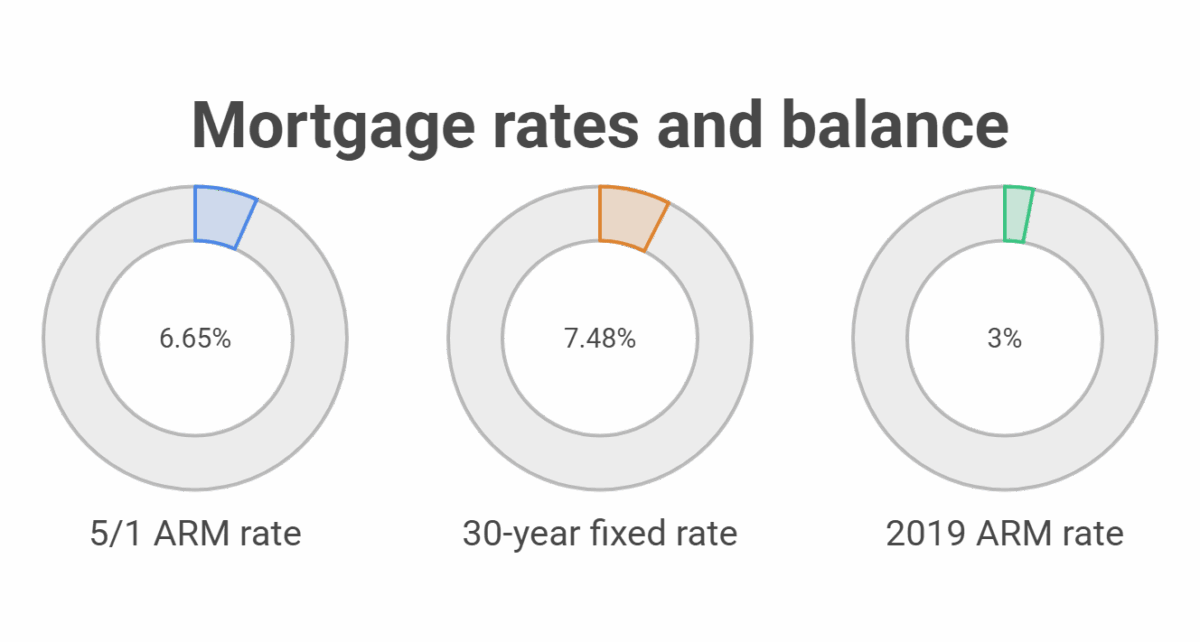
The difference between today’s rates and those available several years ago could create a major change for some borrowers. As of October 12, the average initial rate for a 5/1 ARM was 6.65%, according to Bankrate.
The average 30-year fixed mortgage rate was 7.48%, based on figures from Mortgage News Daily. In 2019, the average initial ARM rate was around 3%, while the median unpaid mortgage balance was approximately $548,000, according to ICE Mortgage Technology.
Borrowers who took out ARMs at those lower rates could therefore face a substantial increase when their introductory period ends.
Mortgage Caps Can Limit Rate Increases
The size of a rate increase depends on the terms of each mortgage. Some ARMs have limits, known as caps, that restrict how much the rate can rise at each adjustment and over the lifetime of the loan.
For example, a mortgage could have a two-percentage-point limit on its first adjustment, followed by a one-point limit on subsequent adjustments. A lifetime cap could also restrict the total increase during the mortgage term.
These provisions vary between loans, so homeowners need to check their individual mortgage agreements.
Refinancing Is One Option For Borrowers
Homeowners facing a large payment increase have several choices. NerdWallet lending expert Kate Wood said refinancing into a fixed-rate mortgage could make sense for borrowers whose new ARM payments would put pressure on their finances.
Refinancing can provide greater certainty over future payments, although it comes with closing costs and may result in a higher interest rate than the original mortgage.
Borrowers who can comfortably handle the new payments may also choose to keep their ARM.
Foreclosure Concerns Add To Pressure
The potential payment increases come as US foreclosure activity has been rising. Homeowners who believe a new mortgage payment could become unaffordable should examine their options before missing payments.
Contacting a lender early can give borrowers more time to discuss available arrangements. For households with an ARM approaching its first reset, the most relevant figures are the loan’s new interest rate, adjustment date, payment cap and remaining balance.
Those details will determine whether the monthly payment rises modestly or by hundreds of dollars.