
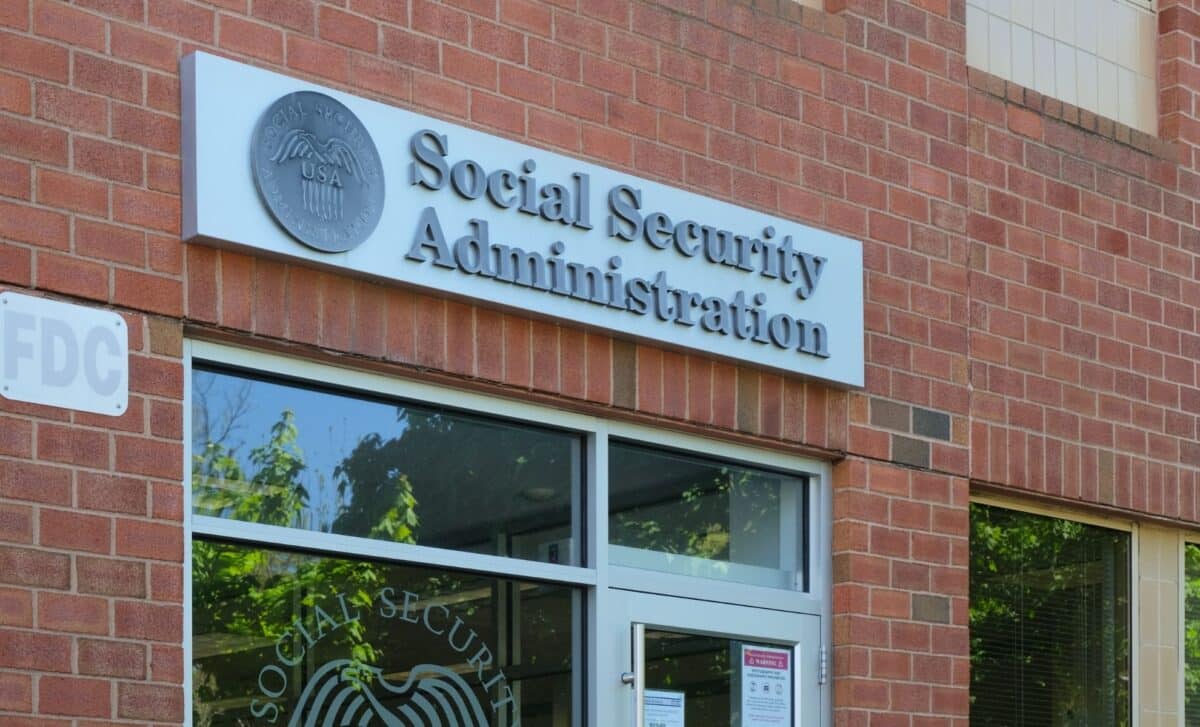
According to the 2026 Social Security Trustees Report, the Old-Age and Survivors Insurance Trust Fund is projected to run out of reserves in the fourth quarter of 2032. At that point, incoming tax revenue would still cover 78% of scheduled retirement and survivor benefits if lawmakers do not make changes.
Four Proposals Take Different Approaches to Social Security Funding
The four proposals currently before Congress reflect different ideas about how to address the program’s long-term finances. Two measures would create processes for lawmakers to negotiate a solution, while two others would directly modify Social Security’s revenue and benefit structure.
The PROMISE Act, introduced in the Senate by Senator Dick Durbin with support from lawmakers from both parties, would not immediately change taxes, benefits or the retirement age. Instead, it would create a process requiring the Social Security Advisory Board to develop recommendations and legislative language aimed at keeping full scheduled benefits available for at least 50 years.
According to the Bipartisan Policy Center, the bill would also require future reviews of Social Security’s financial condition and trigger a similar process if new shortfalls are projected.
A separate proposal, the Bipartisan Social Security Commission Act of 2026, would establish a 13-member commission tasked with developing legislation to maintain solvency for both retirement and disability trust funds over a 75-year period. The commission’s recommendations would require support from at least nine members before moving forward.
The other two proposals focus on direct policy changes. The Strengthening Social Security Act of 2026 would gradually remove the taxable earnings cap for Social Security payroll taxes beginning in 2028. It would also adjust benefit calculations and change the inflation measure used for annual cost-of-living adjustments.
The Social Security Expansion Act, introduced by Senator Bernie Sanders and Representative Val Hoyle, would increase benefits while raising additional revenue. The proposal would apply Social Security payroll taxes to income above $250,000 and modify benefit formulas, minimum benefits and cost-of-living adjustments.
Trustees Warn That Delays Could Increase the Scale of Future Changes
The financial challenge behind the proposals comes from a gap between Social Security’s income and costs. According to the 2026 Trustees Report, the program collected about $1.45 trillion in 2025 and spent about $1.61 trillion, with trust fund reserves covering the difference.
The combined Social Security trust funds held about $2.56 trillion at the end of 2025, down from about $2.72 trillion at the start of that year. The report projects that the combined retirement and disability funds would be depleted in 2034, after which continuing income would cover about 83 percent of scheduled benefits.
The Trustees Report also found that the program faces a 75-year actuarial deficit. Under current projections, the deficit represents a long-term imbalance between scheduled benefits and expected revenues. Lawmakers returning from the August recess will decide whether any of the proposals advance. None of the four measures has passed either chamber of Congress, and no final agreement has been reached. The debate centers on how to maintain Social Security’s ability to pay scheduled benefits while addressing the financial pressures identified by government projections.