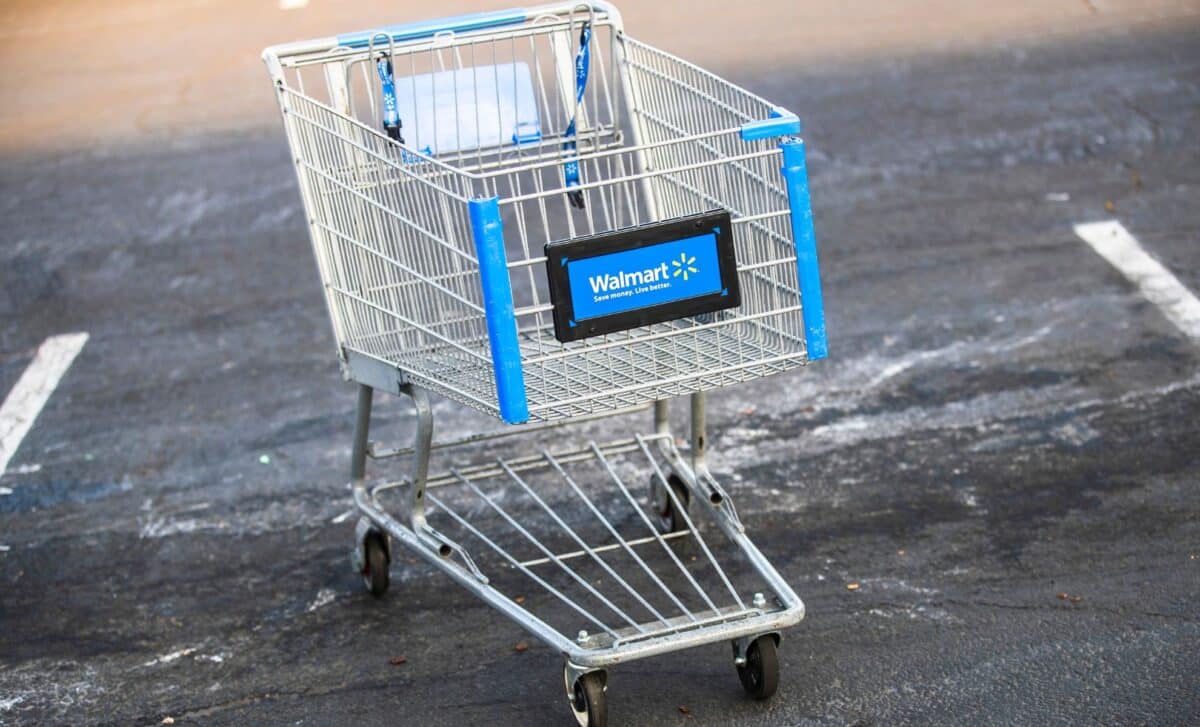
A Colorado city is considering a fee system that could make major retailers pay up to $50 per abandoned shopping cart collected by municipal crews, putting the cost of a persistent street-cleanup problem at the center of a divided City Council debate.
Pueblo Weighs a New Price for Abandoned Shopping Carts
The proposal is being considered in Pueblo, Colorado, roughly two hours south of Denver, where abandoned shopping carts have become a recurring problem in alleys and other public spaces. Retailers such as Walmart and Target could be affected when carts belonging to their stores are collected by city workers. Under the proposed framework, a retailer would initially face a $35 impoundment fee for each cart picked up by the city and transported to a recycling center. Storage would add another $2 per cart for each day it remains there.
A separate $15 administrative fee would apply when a cart is retrieved more than 30 days after being impounded. The proposal also establishes a different charge for retailers whose carts are repeatedly collected: the fee reaches $50 for the fourth cart and every subsequent cart from the same retailer collected during a rolling 30-day period, assessed in place of the base impoundment fee. The system therefore focuses not only on individual abandoned carts but also on repeated collections associated with the same business.
According to The U.S. Sun, the underlying collection approach has been operating for two years, while council members are now considering whether to formally establish the policy in city law. What might appear to be a narrow dispute over shopping carts has produced a broader question for Pueblo officials: who should bear the financial cost when private retail property ends up abandoned in public areas?

Council Members Clash Over Who Should Pay
The sharpest disagreement centers on whether a retailer should be financially responsible when someone else removes a cart from its property and leaves it elsewhere. Pueblo City Council President Mark Aliff framed the issue as a penalty imposed on a business that may already have lost property. “Here’s the crux of the problem with me. I own a business. Somebody comes in and steals from me, and then I’m charged for it. It is craziness,” Aliff said at a meeting on Monday.
His objection highlights the central tension in the proposal: stores own the carts, but they are not necessarily the people who abandon them around the city. Councilor Joe Latino took a different position, focusing on the city’s effort to address the physical impact of carts left in public spaces. “I really appreciate the fact that we’re doing something about it, and again this is part of cleaning up our community,” Latino said in support of the fees.
Those competing arguments leave council members weighing two distinct responsibilities. Retailers can potentially take measures to keep carts on their properties or recover them, while the city faces the practical burden of removing carts once they obstruct or clutter public areas. The proposed fee schedule effectively shifts at least part of that municipal cleanup expense back to the businesses that own the carts. Yet Aliff’s criticism illustrates why formalizing that arrangement has proved contentious: ownership of an abandoned cart does not necessarily establish responsibility for how it reached a street or alley.
Residents Describe Carts Blocking Pueblo Alleys
For residents who encounter abandoned carts away from store parking lots, the debate has an immediate physical dimension. Lino Barajas, a Pueblo shopper, described carts as one of the obstacles people can encounter while moving through local alleys. “Sometimes, you can’t even get by the alleys because they’re closed all over the place and the shopping carts are there too,” Barajas said. His account helps explain why city officials have continued working on a collection system despite disagreement over its financing.
A cart removed from a supermarket parking lot can become more than discarded retail property once it is left in a location used by other people. City crews then have to collect it, transport it and store it until the retailer retrieves it or the cart is otherwise handled through the city’s process. The proposed fees assign specific prices to those steps, starting with impoundment and continuing with daily storage. The escalating structure also distinguishes an occasional collection from repeated cases involving the same retailer.
For businesses with only a small number of carts collected, the $35 base impoundment charge is the starting point. For a retailer reaching its fourth collected cart within the rolling 30-day window, the applicable collection charge becomes $50 per cart for the fourth and subsequent carts rather than the base fee. That distinction is significant because the proposal is not a universal $50 charge on every shopping cart. It is a tiered system designed to impose the higher collection fee after repeated incidents.