Several Safeway supermarkets that served local communities for decades have closed as the grocery industry continues a period of major restructuring. The latest shutdowns affect locations in Oregon, Washington, D.C., and California, leaving some neighborhoods with fewer full-service grocery options.
The closures come at a time when consumers are already dealing with elevated grocery costs and changing shopping habits. Many shoppers have moved toward discount retailers in search of lower prices, but even some value-focused chains have reduced their footprints as companies review store performance.
For longtime customers, the loss of a neighborhood supermarket represents more than a business decision. These stores often become part of daily routines, transportation patterns, and local food access. As major grocery operators continue evaluating their networks, more communities are adjusting to fewer nearby choices.
Safeway Shuts Down Longtime Stores Across Several States
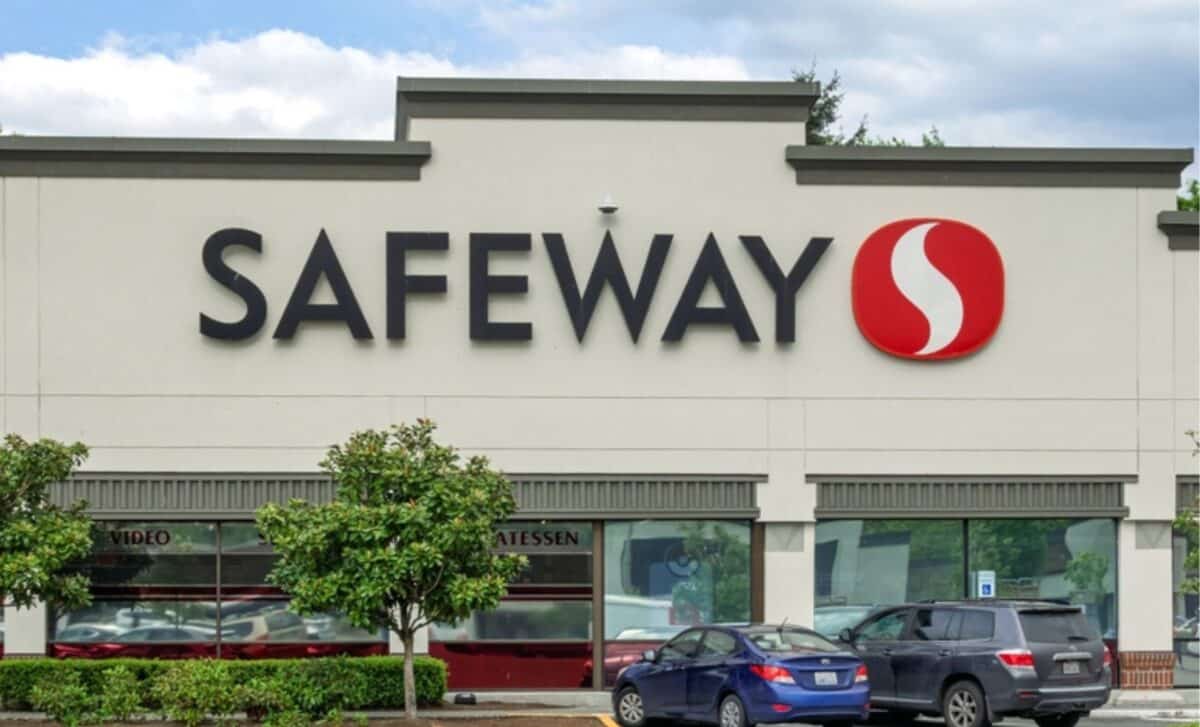
According to The Street, Safeway has recently closed multiple locations as its parent company Albertsons reviews its store portfolio. One of the latest closures involved the Newport, Oregon location at 2220 N Coast Highway, a store that had served residents for 30 years before shutting down in July 2026.
The company also closed the Hechinger Mall Safeway in Washington, D.C., after 40 years of operation. Earlier in 2026, another Safeway location on Jackson Street in Hayward, California, ended operations.
Safeway said the decisions were part of an ongoing review of its real estate and store network. In response to the Washington closure, the company stated:
“Like all retailers, we are constantly evaluating our store footprint and have to look at every angle of the business. This includes our real estate portfolio. We are coming to the end of our lease at this location, and have made the decision to reinvest our resources into other existing stores.”
The closures follow additional reductions across the Albertsons network. The company closed 30 stores in 2025 and identified more locations for possible closure in 2026 as executives continue examining store profitability and long-term performance.
Credit: Shutterstock
Grocery Store Closures Expand Beyond Safeway
Safeway’s shutdowns are part of a larger shift affecting supermarkets throughout the United States. Major grocery chains are reviewing their store networks as operating costs increase and consumers change where and how they shop.
Kroger announced plans in 2025 to close 60 stores over an 18-month period, citing underperforming locations. The affected banners include Fred Meyer, Fry’s Food and Drug, Harris Teeter, Foods Co, Food 4 Less, King Soopers, Mariano’s, Pick ’n Save, and QFC.
Discount retailers have also faced challenges despite strong demand from price-conscious shoppers. Aldi has closed select stores in states including Minnesota, Illinois, Texas, and Wisconsin, while continuing a broader expansion strategy. The company has stated plans to grow its network significantly in the coming years.
Grocery Outlet has also reduced its store count. The chain announced plans in 2026 to close 36 locations after rapid expansion created difficulties in maintaining performance across its network.
The pattern shows that grocery retailers are focusing more heavily on store productivity and financial results. Locations that fail to meet expectations are increasingly being reconsidered, even when they have operated for many years.
Safeway to close more stores in 2026, report sayshttps://t.co/sP4W5MrSfT
— The Independent (@Independent) August 11, 2026
Albertsons Explains Why Some Stores Are Closing
During Albertsons’ first-quarter earnings call, CEO Susan Morris discussed how the company evaluates stores and determines whether struggling locations can recover.
“We’re continually looking at our store base and making decisions on whether to keep the stores or can we turn them around, can we change the profitability or making the difficult decisions from time to time to exit those stores. And we’ve not seen a dramatic shift or increase in store profitability at this time. Again, it’s a pretty small number of our fleet,” Morris said.
The company’s decisions come after its attempted merger with Kroger failed to move forward. Kroger announced a $24.6 billion acquisition agreement with Albertsons in 2022, but the deal was blocked by the Federal Trade Commission in 2024.
Albertsons later sued Kroger, arguing that the company did not do enough to secure regulatory approval. Kroger filed a countersuit, and the legal dispute remains ongoing.
The failed merger has added complexity for Albertsons as it continues adjusting its business strategy. Store closures are one element of a wider effort to improve efficiency and focus investment on stronger-performing locations.