
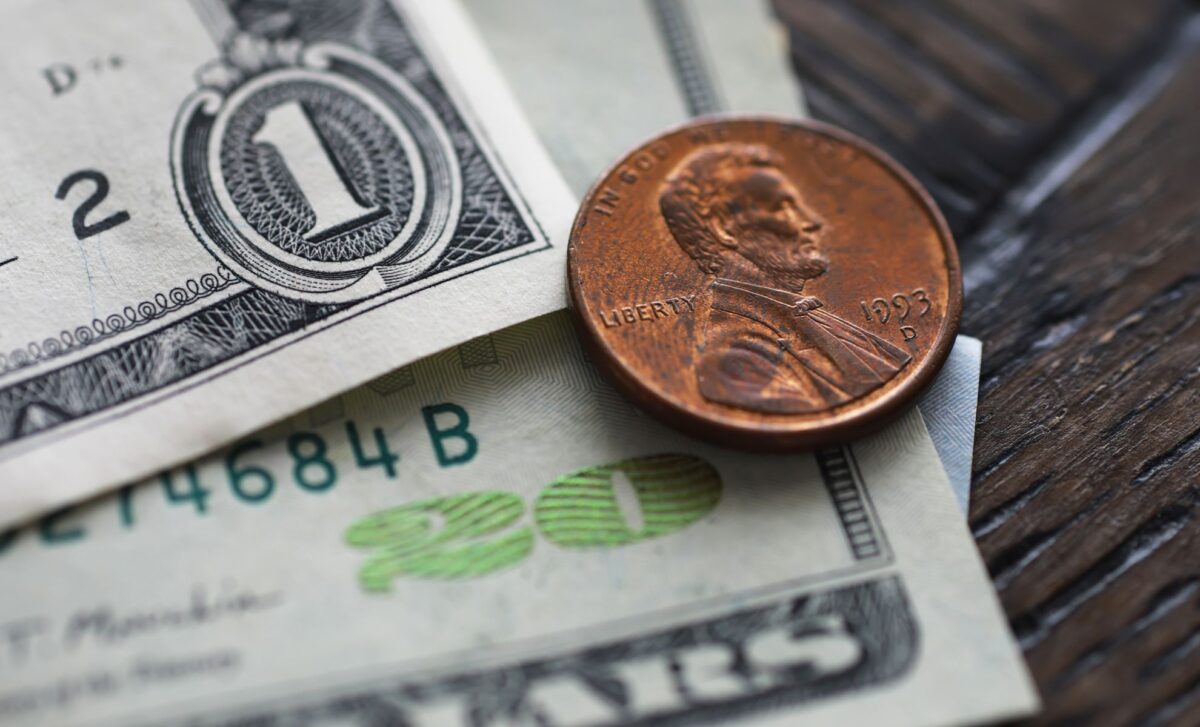
The U.S. Senate has passed a bill that could reshape the future of American coins by ending new penny production, changing cash transaction rules and opening the door to a redesigned nickel. The Common Cents Act received unanimous consent approval from the Senate, moving the legislation closer to becoming law after a similar version passed the House of Representatives.
The proposal addresses growing concerns about the cost of producing low-value coins and the challenges businesses face when handling cash payments without enough pennies available for change. If enacted, the bill would allow businesses to round cash transactions to the nearest five-cent increment while keeping existing pennies legal tender.
It would also give the Treasury Department authority to test a cheaper material composition for the nation’s five-cent coin. The legislation could mark one of the biggest changes to everyday U.S. currency use in decades.
Senate Bill Targets Penny Production And Cash Payment Challenges
According to The Hill, the Common Cents Act focuses on three major areas of U.S. currency policy: ending regular penny production, creating a national framework for cash rounding and exploring a new nickel design. The bill comes after the United States produced its final one-cent coin for circulation last year.
Although no new pennies are being made for everyday use, existing coins remain valid currency and can continue circulating throughout the economy. The disappearance of newly produced pennies has created challenges for some retailers that rely on cash transactions.
Without enough one-cent coins available, businesses have had difficulty providing exact change to customers. Under the proposed system, cash purchases would be rounded to the closest nickel.
For example, a transaction totaling $19.82 could become $19.80, while a purchase ending in $19.83 could be adjusted to $19.85. Supporters of the legislation argue that a nationwide rule would reduce confusion caused by different state and local regulations regarding cash rounding.

Credit: Canva
Penny Production Ends As Costs Continue To Rise
The penny has become the focus of a long-running debate because the cost of manufacturing the coin has repeatedly exceeded its face value. The United States Mint has already stopped producing new pennies for circulation, but hundreds of billions remain in homes, businesses and cash registers across the country.
Estimates suggest that more than 300 billion pennies are still in circulation, representing hundreds of coins for every American citizen. The challenge facing policymakers is not the disappearance of existing pennies but the financial cost of creating new ones.
The rising price of materials, particularly copper, has contributed to higher manufacturing expenses. A modern penny contains only about 2.5% copper, yet material costs have remained a major factor in production decisions.
Previous efforts to redesign the penny have faced obstacles. Steel alternatives were considered but failed to provide sufficient savings, while plastic and polymer options could not work with existing coin-processing equipment. The new legislation would allow policymakers to move away from maintaining a coin that costs more to produce than its official value.
Senate Bill Could Lead To A New Nickel Design
The nickel is also included in the legislation because the five-cent coin has faced similar financial challenges. According to the U.S. Mint, producing one nickel cost 13.31 cents during fiscal year 2025, meaning each coin cost significantly more to manufacture than its five-cent value. The nickel has remained more expensive to produce than its face value for two decades.
Despite its name, the coin contains very little actual nickel. Modern nickels are composed of about 75% copper, making metal prices a major factor in production costs. The Common Cents Act would allow the Treasury to evaluate a new coin composition using zinc and nickel. Any replacement material would need to reduce costs while continuing to function properly in vending machines, coin counters and other equipment designed for traditional coins.
The legislation does not immediately replace the current nickel. The existing five-cent coin would remain legal tender while testing and evaluations determine whether a new design is practical.
Cash Payments Could Change If The Bill Becomes Law
The most noticeable effect for Americans could appear when paying with physical cash. The proposed rounding system would only apply to cash transactions, meaning digital payments and card purchases would continue using exact amounts.
Businesses would have the option to adopt rounding rules instead of being required to change their pricing systems. The goal is to create a simpler cash system while reducing the financial burden of producing small-denomination coins.
The legislation does not eliminate pennies already owned by consumers, and Americans would still be able to use them as payment. For now, the penny and nickel remain part of the nation’s currency system. The Senate vote moves the United States closer to a possible transition in how its smallest coins are produced and used in everyday transactions.